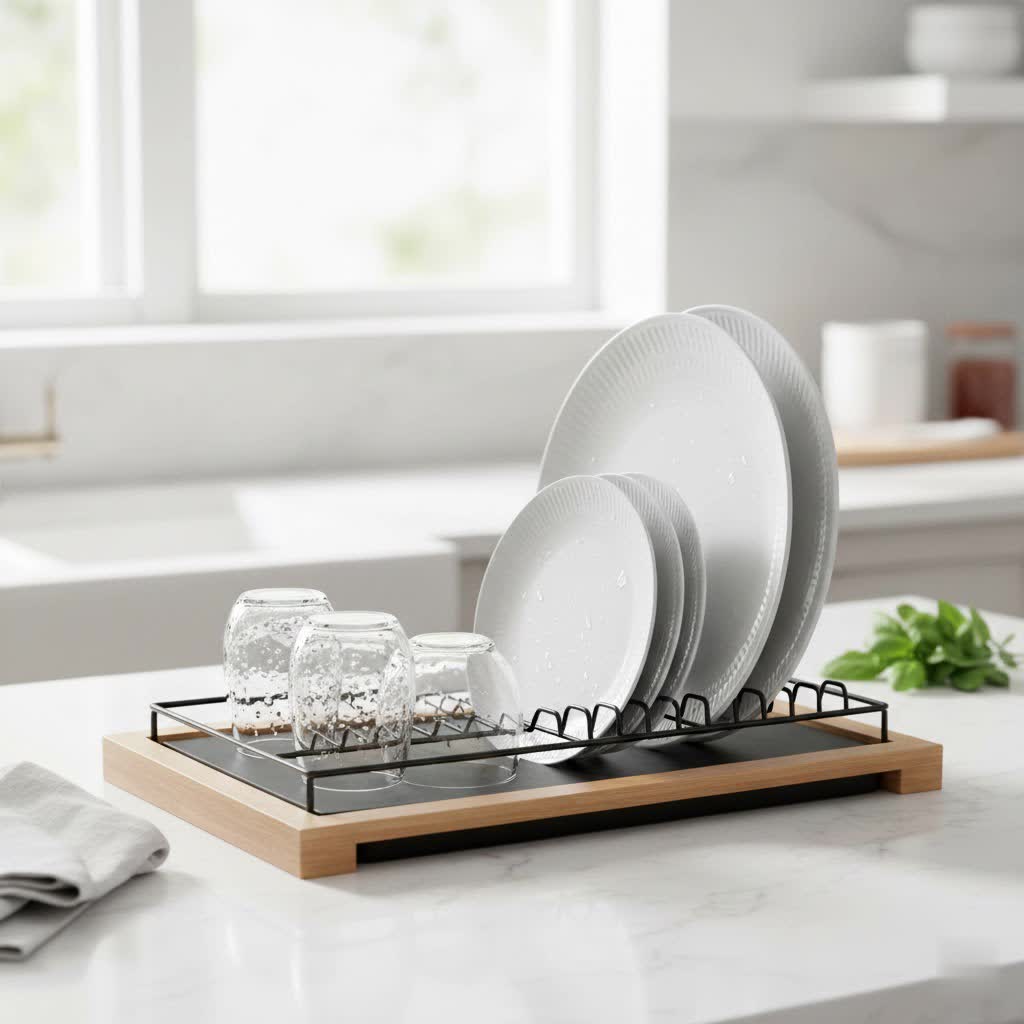
Are you tired of cluttered countertops and dish drying racks eating up precious space in your kitchen? Many of us face the daily challenge of a cramped kitchen, where every inch counts. A Wall Mounted Dish Rack could be the transformative solution you’ve been searching for, offering a blend of practical space-saving, enhanced hygiene, and sleek aesthetics. This comprehensive guide will walk you through everything you need to know, from the different types and essential buying criteria to installation tips and maintenance advice, ensuring you select the perfect wall mounted dish rack for your home.
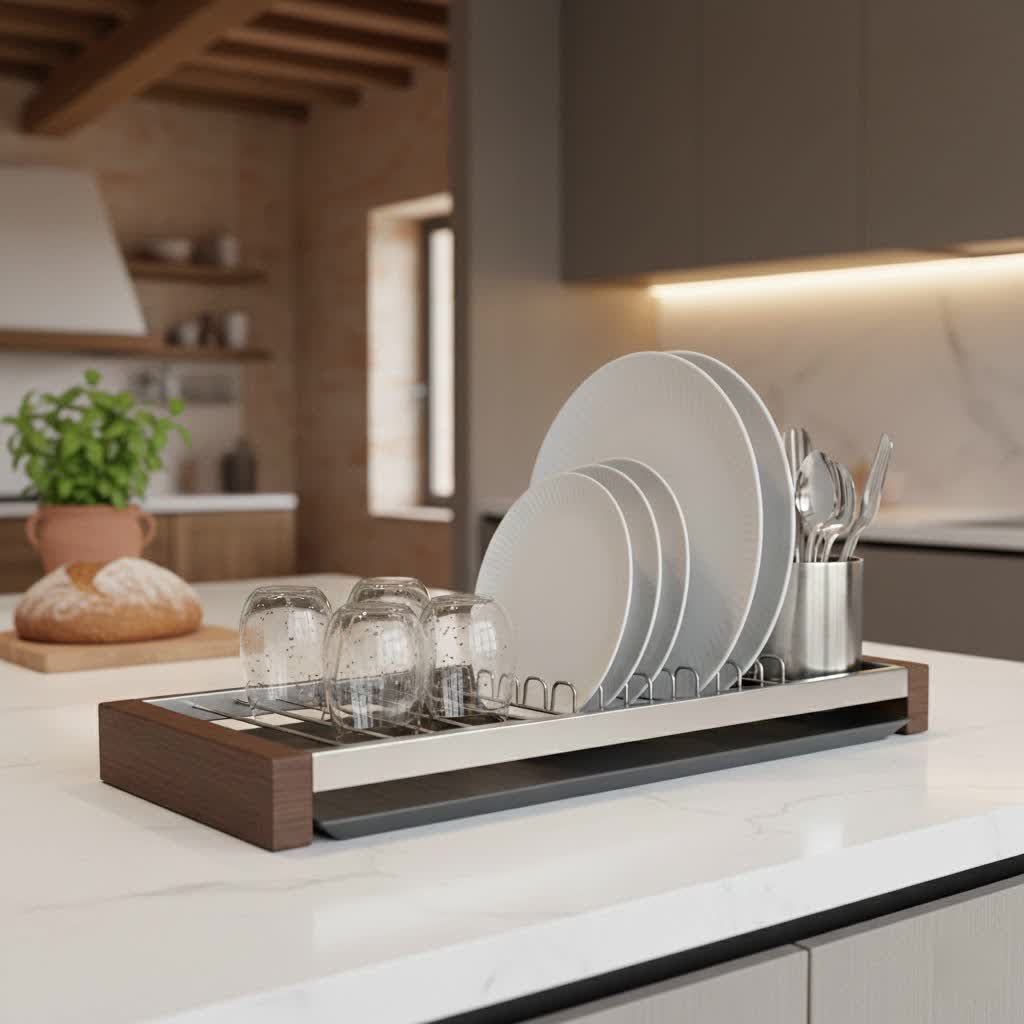
Understanding Different Types of Dish Racks
Before diving into the specifics of wall-mounted options, it’s helpful to understand the broader landscape of dish racks.
- Countertop Dish Racks: These are the most traditional, sitting directly on your counter. While convenient, they often occupy valuable workspace and can lead to water pooling, creating a breeding ground for mold and mildew.
- Over-the-Sink Dish Racks: Designed to sit over your sink basin, these racks free up some counter space and allow water to drain directly into the sink. They are a step up from countertop models but can still obstruct sink use or block natural light.
- Wall Mounted Dish Racks: These innovative racks attach directly to your kitchen wall, completely liberating your counter space. They come in various designs, catering to different needs and kitchen styles:
- Stainless Steel Wall Mounted Racks: Highly popular for their durability, rust resistance, and modern appearance, often featuring sturdy wire frames. They are ideal for supporting heavier items like plates and pots.
- Wooden Wall Mounted Racks: Offering a warm, natural, and often rustic aesthetic, wooden racks can be a charming addition. However, they typically require proper sealing to prevent water damage and may demand more maintenance.
- Foldable and Retractable Racks: Perfect for compact kitchens, these designs can be tucked away when not in use, offering ultimate flexibility.
- Multi-Tiered and Expandable Racks: For larger households or those with extensive dishwashing needs, multi-tiered racks maximize vertical storage, while expandable models can adjust to accommodate varying loads.
Why Choose a Wall Mounted Dish Rack?
Beyond just drying dishes, a wall mounted dish rack brings a host of compelling benefits to your kitchen.
- Exceptional Space-Saving: This is perhaps the most significant advantage. By elevating your dish rack off the countertop, you instantly reclaim valuable preparation and serving space. This is a game-changer for small kitchens or apartments where every square inch matters.
- Improved Kitchen Hygiene: Traditional countertop racks often sit in stagnant water, fostering the growth of mold, mildew, and unpleasant odors. Wall-mounted designs, especially those positioned over the sink or with effective drip trays, prevent water from pooling on surfaces, leading to a cleaner and more hygienic drying environment. This also discourages pests like ants or fruit flies.
- Enhanced Organization and Aesthetics: A wall mounted rack contributes to a more organized and visually appealing kitchen. With dishes neatly stowed away on the wall, your kitchen appears tidier and more intentional, elevating its overall aesthetic. You can even use some models to display your favorite tableware.
- Convenience and Ergonomics: These racks can be installed at an optimal height for comfortable loading and unloading, making dishwashing a less strenuous task. For families with children, adjustable heights can make it easier for little helpers to participate.
- Durability and Longevity: When crafted from high-quality materials like stainless steel, wall mounted dish racks are built to last, resisting rust and corrosion even in moist kitchen environments. This durability ensures your investment provides long-term value.
Key Criteria for Choosing Your Ideal Wall Mounted Dish Rack
Selecting the right wall mounted dish rack involves considering several factors to ensure it perfectly meets your household’s needs and complements your kitchen’s design.
Material Matters for Durability and Hygiene
The material of your dish rack significantly impacts its lifespan, ease of cleaning, and overall appearance.
- Stainless Steel: Widely regarded as the top choice, stainless steel offers exceptional durability, rust and corrosion resistance, and a sleek, modern look. Its non-porous surface is also highly hygienic, preventing bacterial growth. High-quality stainless steel (like 304 grade) is preferred for its anti-rust properties.
- Wood: For those seeking a warm, natural aesthetic, wood can be appealing. However, it requires proper sealing to resist moisture, rot, and heat. Regular maintenance is crucial to prevent water damage and mold, making it a more high-maintenance option compared to metal.
- Plastic or Coated Wire: These options are generally more budget-friendly. While lightweight, plastic can be less durable and prone to staining or cracking over time. Coated wire racks offer a good balance but can rust if the coating chips or wears off.
|
Our Picks for the Best Dish Rack in 2026
We may earn a commission when you use one of our links to make a purchase.
|
||
| Num | Product | Action |
|---|---|---|
| 1 | KitchenAid Large Capacity Full Size Rust Resistant Dish Rack with Angled Drain Board and Removable Flatware Caddy, Light Grey |

|
| 2 | TOOLF Expandable Dish Rack, Dish Drying Rack for Kitchen Counter, Foldable Dish Dryer Rack, Stainless Steel Dish Drainer Racks with Cutlery Holder, Collapsible Dish Drying Racks Large Size,Black |
|
| 3 | Stainless Steel Dish Drying Rack for Kitchen Counter, Sink Organization and Storage Essentials with Silverware & Utensil Holder, Home and Apartment Decor, 12''W x 15.5''L, Black |
|
| 4 | Joseph Joseph Extendable Dish Drying Rack with Dual Parts - Stainless Steel, Non-Scratch, Movable Utensil Drainer & Drainage Spout, Gray |
|
| 5 | Stainless Steel Dish Drying Rack - Large Capcity 304 Grade Dish Drainer for Kitchen Counter with Drain Board, Utensil Holder & Detachable Cup Shelf, Rustproof Multifunctional Organizer |
|
| 6 | Over Sink Dish Drying Rack, 17" L x 11.8" W, Roll Up Dish Drying Rack for Kitchen, Gray |
|
| 7 | Space-Saving 3-Piece Dish Drainer Rack Set with Cutlery Holder - Maximize Countertop Space, Black |
|
| 8 | Dish Drying Rack Over the Sink In Stainless Steel Expandable Drainer for Small Kitchen, Counter Space Saving Compact Inside Sink Plate Dryer, Adjustable Hanging Metal Wire Above Strainer Drain Holder |
|
| 9 | Dish Drying Rack - Space-Saving Small Dish Rack for Kitchen Counter, Rust-Resistant Kitchen Drying Rack, Compact Dish Drainer Organizer with Utensil Holder for Home Kitchen, Black |
|
| 10 | 7 code Large Dish Drying Rack for Kitchen Counter, Detachable Large Capacity Dish Drainer Organizer, 2-Tier Dish Racks with Utensil Holder, Black |
|
Size and Capacity Considerations
Measure your available wall space accurately before purchasing. Consider not just the width but also the height, especially if you plan to install it above your sink or under cabinets.
- Family Size: A larger household will naturally require a rack with greater capacity or a multi-tiered design to accommodate more dishes, bowls, and cutlery.
- Dishwashing Habits: If you frequently hand-wash large pots and pans, ensure the rack’s design can safely hold these heavier and bulkier items.
- Weight Capacity: Most standard wall mounted racks can hold between 5-10kg, but some heavy-duty stainless steel models, especially those designed for pots, can support up to 33lbs (using strong adhesive strips) or more with proper drilling and anchors.
Design and Functional Features
Modern wall mounted dish racks come with a variety of features designed to enhance usability and efficiency.
- Drainage and Drip Trays: Look for racks with integrated drip trays or sloped designs that direct water directly back into the sink. Removable drip trays are highly convenient for easy cleaning and prevent water accumulation on your wall or counter beneath.
- Accessory Holders: Many models include dedicated compartments for cutlery, hooks for hanging cups, or even shelves for storing cutting boards and small pans. These additions further optimize organization.
- Adjustability: Some advanced designs allow for adjustable shelf heights or movable baskets, providing flexibility to customize the rack layout according to your changing needs.
- Aesthetic Fit: Choose a design that complements your kitchen’s overall style. Sleek metal racks suit modern minimalist spaces, while wooden options enhance rustic or Scandinavian themes.
Brand and Price
While it’s difficult to list specific models due to market fluctuations, focus on reputable brands known for quality kitchen accessories. Compare prices across different retailers, but prioritize durability and functionality over the lowest price, as a well-made dish rack is a long-term investment. High-quality stainless steel racks, for example, tend to be more expensive but offer superior longevity and hygiene.
Comparison of Popular Wall Mounted Dish Rack Features
| Feature | Stainless Steel Racks | Wooden Racks | Plastic/Coated Wire Racks |
|---|---|---|---|
| Material | Stainless steel (often 304 grade) | Bamboo, solid wood | PP plastic, steel wire with plastic coating |
| Durability | Excellent; highly resistant to rust, corrosion, wear | Good, if properly sealed; prone to water damage if not | Fair; plastic can crack, coating can chip and rust |
| Hygiene | Excellent; non-porous, easy to clean, inhibits bacteria | Good, if maintained; can harbor bacteria in cracks/unsealed areas | Fair; can develop mold/mildew in damp spots, harder to clean thoroughly |
| Aesthetics | Modern, sleek, industrial | Natural, warm, rustic, Scandinavian | Varied, often functional; can look less premium |
| Maintenance | Low; simple wipe-down, occasional rinse | Moderate to High; needs sealing, careful drying | Low to Moderate; easy to rinse, but can stain |
| Weight Capacity | High; very sturdy | Moderate | Moderate |
| Price Point | Higher | Moderate to High | Lower |
| Common Features | Multi-tiered, utensil holders, hooks | Simple designs, often single tier | Basic trays, utensil cups |
Usage and Maintenance Guide for Your Wall Mounted Dish Rack
Proper installation and consistent maintenance are key to maximizing the utility and longevity of your wall mounted dish rack.
How to Install Your Wall Mounted Dish Rack
Installation can be a DIY project, but for optimal safety and stability, especially with heavier racks or complex wall types, professional assistance is advisable.
- Choose the Right Location: The ideal spot is near your sink to facilitate drainage and prevent splashing on other surfaces. Ensure it’s not mounted over electrical outlets or too high to be comfortably reached.
- Understand Wall Type: Different walls require different mounting hardware. For plasterboard/drywall, use appropriate drywall anchors. For concrete or tiled walls, you’ll need a power drill with a masonry bit (or diamond-tipped bit for tiles) and robust wall plugs or toggle bolts for reinforced stability.
- Mark and Drill Pilot Holes: Use a spirit level to ensure precise, even marking of drilling points. Drill pilot holes carefully to avoid damaging pipes or electrical wiring within the wall.
- Secure the Dish Rack: Attach the rack using the provided screws and wall plugs or the heavy-duty anchors you’ve chosen. For heavier models, additional support might be necessary.
- Test for Stability: Gently tug on the installed rack to confirm it’s secure and doesn’t wobble. If it feels unstable, reinforce the mounting points.
Keeping Your Dish Rack Clean and Pristine
Regular cleaning is essential for hygiene and to maintain the appearance of your dish rack.
- Stainless Steel Racks: These are relatively low maintenance. Simply wipe them down regularly with warm soapy water and a soft cloth to prevent water spots and dust accumulation. For wet dishes, rinse the rack thoroughly and allow it to air dry, or wipe it dry to prevent mineral buildup. Avoid abrasive cleaners or scouring pads that can scratch the finish.
- Wooden Racks: Wipe wooden racks immediately after use to prevent water from seeping into the grain. Periodically, clean with a mild soap solution and dry thoroughly. Re-seal wooden racks as needed to maintain their water resistance.
- Plastic/Coated Wire Racks: These can usually be cleaned with warm soapy water and a soft brush. Pay attention to any crevices where water might collect, and regularly clean drip trays to prevent mold.
> “A truly effective kitchen thrives on smart organization. Wall-mounted dish racks are not just about drying; they’re about reclaiming your space and simplifying your daily routine.” – Chef Anya Sharma, Culinary Design Expert
Where to Buy Your Wall Mounted Dish Rack
You’ll find a wide array of wall mounted dish racks through various retail channels, both online and in physical stores.
- Online Marketplaces: Websites like Amazon, Shopee, and Lazada offer extensive selections, often with competitive pricing and customer reviews to guide your choice. Be sure to check seller ratings and product specifications carefully to avoid counterfeits or low-quality items.
- Home Goods Stores: Major home improvement stores and kitchen supply retailers (such as IKEA) carry various dish rack options. Shopping in person allows you to physically inspect the product quality, size, and features before buying.
- Specialty Stores: Some stores specialize in kitchen organization or commercial kitchen supplies, which may offer more robust or unique wall mounted options.
When buying online, always scrutinize customer reviews for feedback on durability, ease of installation, and actual capacity. Verify dimensions to ensure the rack fits your intended space.
Your Essential Wall Mounted Dish Rack Buying Guide
Investing in a wall mounted dish rack is a smart move for any kitchen, particularly those with limited counter space. Here’s a quick checklist to guide your final decision:
- Assess Your Space: Measure your available wall area meticulously. Consider the height above your sink or counter.
- Material Preference: Do you prioritize the rust-proof durability and modern look of stainless steel, the natural charm of wood (and its maintenance needs), or a budget-friendly plastic/coated wire option?
- Capacity Needs: How many dishes do you typically wash? Do you need space for large pots, cutting boards, or wine glasses? Choose a single, multi-tiered, or expandable model accordingly.
- Key Features: Look for essential features like effective drainage, removable drip trays, and integrated holders for utensils or other kitchen items.
- Installation Method: Determine if you’re comfortable with DIY drilling or if professional installation is preferred for safety and compliance with building guidelines (e.g., in certain apartment buildings).
- Budget: Set a realistic budget, understanding that higher quality materials and advanced features typically come with a higher price tag.
By carefully considering these factors, you can make an informed decision and select a wall mounted dish rack that not only streamlines your dishwashing routine but also enhances the functionality and aesthetic appeal of your kitchen.
Frequently Asked Questions
What are the main benefits of a wall mounted dish rack?
Wall mounted dish racks primarily save valuable countertop space, improve kitchen hygiene by preventing water pooling, and contribute to a more organized and aesthetically pleasing kitchen environment. They also offer flexible installation heights for user convenience.
Is a stainless steel wall mounted dish rack truly rust-proof?
High-quality stainless steel, particularly grades like 304, is highly resistant to rust and corrosion, making it an excellent choice for moist kitchen environments. However, cheaper stainless steel alloys or damaged coatings on other metals may corrode over time, so always check the product specifications.
How much weight can a wall mounted dish rack typically hold?
Most standard wall mounted dish racks are designed to support 5-10 kg (around 11-22 lbs). Heavier-duty models, especially those for pots and pans, can often hold up to 15 kg (33 lbs) or more, particularly when installed with robust wall anchors or professional mounting techniques.
Can I install a wall mounted dish rack on a tiled wall?
Yes, you can install a wall mounted dish rack on a tiled wall. It requires using a specialized drill bit, such as a carbide-tipped masonry bit or a diamond-tipped drill bit, to prevent cracking the tiles. Always drill slowly and carefully, and use appropriate wall anchors for a secure fit.
How do I prevent water stains or mildew under my wall mounted dish rack?
To prevent water stains and mildew, choose a wall mounted dish rack with a built-in drip tray or a sloped design that channels water directly into the sink. Regularly clean the drip tray, and if your rack doesn’t have one, consider placing a small, absorbent drying mat or towel underneath that can be frequently washed.
Choosing the right wall mounted dish rack can significantly improve your kitchen’s efficiency and appearance. With newfound counter space and a cleaner drying system, your kitchen can transform into a more functional and enjoyable area. What aspects of a wall mounted dish rack are most important for your daily kitchen use?