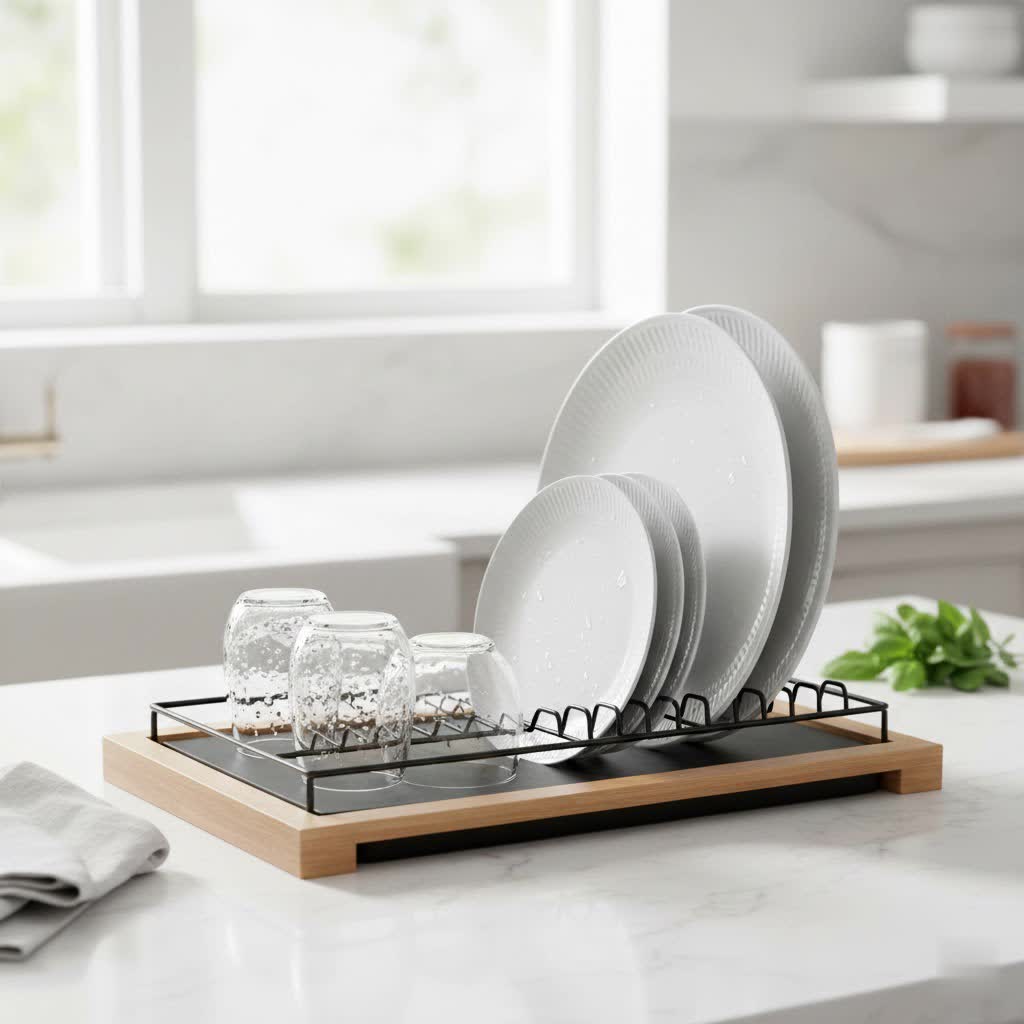
Tired of wet countertops and disorganized dishes after every meal? A high-quality Countertop Dish Drying Rack isn’t just a kitchen accessory; it’s a game-changer for maintaining a tidy, efficient, and hygienic kitchen. With countless options on the market, selecting the perfect rack can feel overwhelming. Drawing from over a decade of experience in kitchenware, particularly with dish racks, I’ll guide you through the essential factors, popular models, and maintenance tips to help you find a drying solution that perfectly fits your needs and kitchen aesthetic.
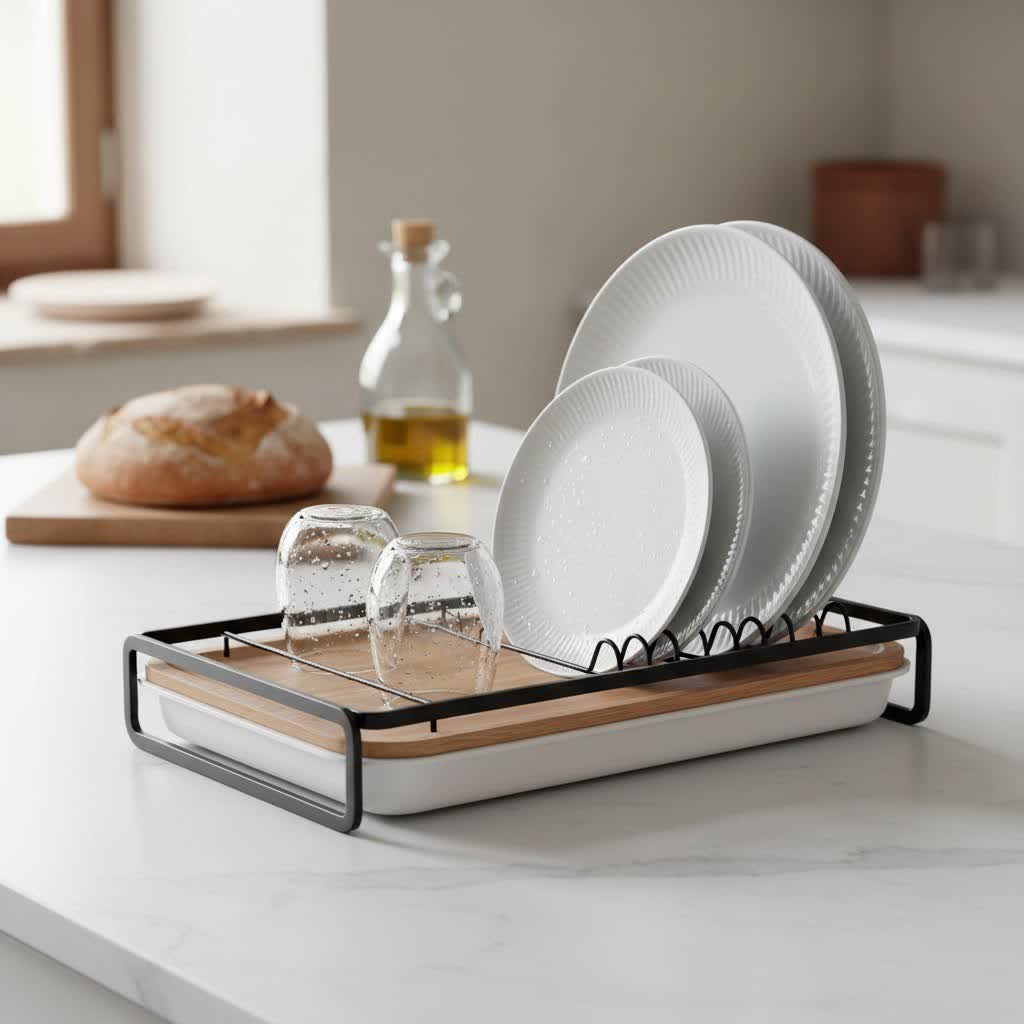
Types of Popular Countertop Dish Drying Racks
Countertop dish drying racks come in a variety of styles, each designed to meet different needs, kitchen sizes, and preferences. Understanding these types is the first step in finding your ideal match.
Single-Tier (Standard) Dish Racks
These are the most common type, featuring a single level for plates, bowls, and often an integrated cutlery holder. They are straightforward and generally more affordable.
- Pros: Simple design, easy to clean, suitable for most kitchens, often good drainage.
- Cons: Can take up significant counter space, limited capacity for larger items.
- Example: Rubbermaid Dish Drainer (often requires separate drainboard).
|
Our Picks for the Best Dish Rack in 2026
We may earn a commission when you use one of our links to make a purchase.
|
||
| Num | Product | Action |
|---|---|---|
| 1 | Stainless Steel Dish Drying Rack for Kitchen Counter, Sink Organization and Storage Essentials with Silverware & Utensil Holder, Home and Apartment Decor, 12''W x 15.5''L, Black |

|
| 2 | Stainless Steel Dish Drying Rack - Large Capcity 304 Grade Dish Drainer for Kitchen Counter with Drain Board, Utensil Holder & Detachable Cup Shelf, Rustproof Multifunctional Organizer |
|
| 3 | Dish Drying Rack Over the Sink In Stainless Steel Expandable Drainer for Small Kitchen, Counter Space Saving Compact Inside Sink Plate Dryer, Adjustable Hanging Metal Wire Above Strainer Drain Holder |
|
| 4 | TOOLF Expandable Dish Rack, Dish Drying Rack for Kitchen Counter, Foldable Dish Dryer Rack, Stainless Steel Dish Drainer Racks with Cutlery Holder, Collapsible Dish Drying Racks Large Size,Black |
|
| 5 | Dish Drying Rack - Space-Saving Small Dish Rack for Kitchen Counter, Rust-Resistant Kitchen Drying Rack, Compact Dish Drainer Organizer with Utensil Holder for Home Kitchen, Black |
|
| 6 | Over Sink Dish Drying Rack, 17" L x 11.8" W, Roll Up Dish Drying Rack for Kitchen, Gray |
|
| 7 | 7 code Large Dish Drying Rack for Kitchen Counter, Detachable Large Capacity Dish Drainer Organizer, 2-Tier Dish Racks with Utensil Holder, Black |
|
| 8 | Space-Saving 3-Piece Dish Drainer Rack Set with Cutlery Holder - Maximize Countertop Space, Black |
|
| 9 | KitchenAid Large Capacity Full Size Rust Resistant Dish Rack with Angled Drain Board and Removable Flatware Caddy, Light Grey |
|
| 10 | Joseph Joseph Extendable Dish Drying Rack with Dual Parts - Stainless Steel, Non-Scratch, Movable Utensil Drainer & Drainage Spout, Gray |
|
Two-Tier Dish Racks
Designed to maximize vertical space, two-tier racks typically have a top level for plates and a bottom level for bowls, cups, and other items. Some models even feature additional hooks for glasses or cutting boards.
- Pros: Excellent for small kitchens or those needing more drying capacity without sacrificing precious counter space.
- Cons: Can be taller, potentially blocking views or fitting under low cabinets; some models might be less stable if heavily loaded on the top tier.
- Example: Pusdon Dish Drying Rack.
Compact Dish Racks
Specifically made for smaller households, apartments, or kitchens with limited counter space, these racks are scaled down to hold fewer items while maintaining functionality.
- Pros: Minimal footprint, easy to store when not in use.
- Cons: Limited capacity, may not accommodate large pots or many dishes.
- Example: simplehuman Compact Kitchen Dish Drying Rack.
Expandable Dish Racks
Offering adjustable drying space, these racks can be extended when you have a larger load of dishes and compacted for smaller loads or storage.
- Pros: Versatile, adapts to varying needs, space-saving when condensed.
- Cons: Can be more complex in design, potentially harder to clean all crevices.
- Example: Joseph Joseph Expandable Dish Rack.
Dish Drying Mats with Integrated Racks
These combine a soft, absorbent mat with a small, often removable, rack structure. They are highly flexible and can be folded away after use.
- Pros: Ultra-compact storage, protects countertops, good for oddly shaped items that don’t fit in traditional racks.
- Cons: Mat needs frequent cleaning to prevent mildew, less structured support for dishes.
- Example: Umbra UDRY Rack and Microfiber Dish Drying Mat.
Bamboo Dish Racks
Known for their natural aesthetic and eco-friendliness, bamboo racks often feature a simple, slatted design. They are usually foldable for easy storage.
- Pros: Stylish, sustainable, lightweight, gentle on dishes.
- Cons: Requires diligent hand-washing to prevent mold, often lacks a dedicated drainage system, may not have specific slots for utensils or glasses.
- Example: Bambusi Bamboo Folding Dish Rack.
Criteria for Choosing a Countertop Dish Drying Rack
Choosing the right dish drying rack involves more than just picking one that looks good. Consider these essential factors to ensure it meets your specific kitchen needs and lifestyle.
Material
The material of your dish rack significantly impacts its durability, hygiene, and aesthetic appeal.
- Stainless Steel: Highly durable, rust-resistant, and often features anti-microbial properties. It’s a premium choice that offers a sleek, modern look and excellent longevity. However, it tends to be pricier. Brands like KitchenAid and simplehuman frequently use high-quality stainless steel.
- Plastic: An affordable and lightweight option that is easy to clean. While convenient, plastic racks are generally less durable than metal and can be prone to chipping, cracking, or staining over time. Look for food-grade PP plastic for safety.
- Silicone: Often used for accents like feet, prongs, or drain spouts due to its non-slip, heat-resistant, and anti-microbial properties. It protects dishes and countertops from scratches. Some compact racks are entirely made of silicone for flexibility and easy storage.
- Bamboo: A sustainable and aesthetically pleasing choice, perfect for a natural kitchen theme. Bamboo is gentle on dishes but requires more meticulous care to prevent mold and water damage. It must be thoroughly dried after each use and hand-washed, as it’s rarely dishwasher safe.
- Vinyl-Coated Wire: This material provides a balance of affordability and protection, as the coating prevents scratching of dishes and counters while offering a good grip.
Size and Capacity
Before purchasing, measure your available countertop space carefully. A dish rack should fit comfortably without overcrowding your kitchen.
- For Small Kitchens/Households (1-2 people): Compact models or drying mats are ideal, as they save space and can often be stored away.
- For Medium to Large Households (3+ people): Full-size or two-tier racks offer ample capacity for multiple plates, bowls, and cookware. Ensure it can handle your typical load, including larger items like pots and pans, without wobbling.
- Expert Tip: “Always visualize the rack in your actual kitchen space. A rack that looks compact online might still feel overwhelming on a tiny counter.”
Design and Features
Thoughtful design elements can greatly enhance the functionality and hygiene of your dish rack.
- Drainage System: This is paramount. Look for racks with an angled drainboard or a swivel spout that directs water directly into your sink. This prevents water pooling, which can lead to mold, mildew, and limescale buildup. Models without integrated drainage require manual emptying or a separate drying mat.
- Stability: A good dish rack should feel sturdy and stable, even when fully loaded with heavy items like cast iron pans or stacks of plates. Side walls, non-slip feet, and well-designed prongs contribute to stability.
- Dedicated Compartments: Features like removable cutlery holders, glass hooks, and slots for cutting boards help organize items and ensure they dry efficiently. Silverware piled together won’t dry quickly.
- Airflow: Proper spacing between tines and an open design are crucial for maximizing airflow, which speeds up drying and prevents odors.
- Aesthetics: While functionality is key, the rack’s design should also complement your kitchen decor. Sleek stainless steel, minimalist white, or natural bamboo can all enhance the look of your counter.
Brand and Price
While brand loyalty isn’t strictly necessary, reputable brands often offer better quality and customer support.
- Trusted Brands: KitchenAid, simplehuman, OXO, Joseph Joseph, and Yamazaki Home consistently receive high marks for quality and innovation.
- Price Range: You can find basic plastic racks for under $20, while high-end stainless steel or feature-rich models can cost upwards of $100. Consider your budget, but view a dish rack as a long-term investment in kitchen hygiene and organization.
Comparison of Top Countertop Dish Drying Racks
Here’s a comparison of some of the best countertop dish drying racks, highlighting their features and helping you decide.
| Model | Material | Dimensions (Approx.) | Capacity/Type | Key Features | Pros | Cons | Price Range |
|---|---|---|---|---|---|---|---|
| KitchenAid Full-Size Dish Rack | Stainless Steel, Silicone | 15 x 20 x 7 inches | Full-size | Large capacity, easy-draining drip tray, anti-microbial materials, removable parts for cleaning | High capacity, very sturdy, excellent drainage, easy to clean | Large footprint (not for small kitchens), somewhat pricey | $60-$80 |
| simplehuman Standard Steel Frame | Stainless Steel, Silicone | 20 x 22 x 11.5 inches | Full-size | Silicone-tipped prongs, swivel spout, removable silverware caddy (dishwasher-safe) | Very stable, efficient drainage, good capacity, durable | Pricey, can be large for small counters | $70-$100 |
| simplehuman Compact Dish Rack | Stainless Steel, Silicone, Plastic | 15 x 25.5 x 7.5 inches | Compact | Swivel spout, solid steel sidewalls for stability, impressive capacity for size | Space-saving, stable, good drainage for compact design | Deep basin can collect scum, hand-washing can be tricky | $70 |
| Rubbermaid Dish Drainer | Stainless Steel, Rubber | 17.6 x 13.8 x 5.9 inches | Standard Single-Tier | Steep angle for quick draining, steel side prongs, compact | Budget-friendly, good capacity for its size, quick drying | Drain mat sold separately, basic aesthetic | $30 |
| Pusdon Two-Tier Dish Drying Rack | Stainless Steel | 12.6 x 33 x 20.5 inches | Two-Tier (Over-sink/Counter) | Multiple compartments, glass hooks, uses vertical space, drains over sink | Excellent for limited counter space, high capacity, organized, sturdy | Less space for large pots/pans, initial assembly can be tricky | $60 |
| Joseph Joseph Extendable Dish Rack | Stainless Steel | 14 x 12.2 x 6.6 inches (expandable) | Expandable | Two-part sliding tray, adjustable draining spout, cutlery tray with knife slot, cutting board support bar | Highly versatile, adapts to different loads, good drainage, sturdy | Not dishwasher safe, can be complex to clean all parts | $37-$75 |
| Umbra UDRY Dish Drying Mat | Microfiber, Plastic | 24 x 18 x 1.5 inches | Drying Mat with Rack | Foldable for storage, machine-washable mat, holds up to 18 plates | Ultra-compact, budget-friendly, protects counters, easy to clean | Glasses may take longer to dry, less structured for heavy items | $18-$25 |
| Yamazaki Home Tosca Dish Rack | Steel, Lacquer-Coated Ash Wood, ABS Resin | 13 x 19 x 8 inches | Standard Single-Tier | Beautiful minimalist design, durable | Visually appealing, very sturdy, adds style to kitchen | No drain spout (manual emptying), white finish requires regular cleaning, less organized for varied items | $98 |
Guide to Using and Maintaining Your Dish Drying Rack
Proper use and regular maintenance are crucial for extending the lifespan of your countertop dish drying rack and ensuring it remains hygienic.
Correct Placement and Use
- Positioning: Always place your dish rack directly next to or slightly over your sink if it has a drain spout. This ensures water drains efficiently and prevents puddles on your countertop.
- Loading: Load dishes carefully, utilizing dedicated slots for plates, bowls, and cutlery. For glasses, use any integrated hooks. Distribute weight evenly to maintain stability, especially with two-tier or compact racks.
- Airflow: Avoid overcrowding. Leave enough space between items for air to circulate, which is key for faster and more thorough drying.
Cleaning and Maintenance
Dish racks should be cleaned frequently to prevent the growth of mold, mildew, and bacteria that thrive in damp environments.
- Daily Wipe-Down: After each use, quickly wipe down the drainboard or mat to remove standing water.
- Regular Deep Cleaning:
- Disassemble: If possible, take your dish rack apart (e.g., remove the drainboard, cutlery holder).
- Wash with Soap and Water: For most stainless steel, plastic, and rubber components, wash thoroughly with warm, soapy water using a dish brush or sponge.
- Dishwasher-Safe Parts: Many plastic and stainless steel parts are top-shelf dishwasher safe. Always check the manufacturer’s care instructions first.
- For Mats: Microfiber mats are typically machine-washable. Air dry completely before reassembling.
- For Wood/Bamboo: Hand-wash wood or bamboo components with a mild soap and water, then immediately dry them thoroughly to prevent warping or mold. Do not soak.
- Drying: Ensure all parts are completely dry before reassembling and storing.
- Rust Removal:
- For Non-Stainless Steel: Use steel wool to gently scrub away rust.
- For Stainless Steel: Create a paste with baking soda and water, then scrub with a non-abrasive sponge or cloth. Steel wool can scratch stainless steel, leading to more rust.
- Prevention: The best way to prevent rust is to ensure good drainage and avoid letting water pool.
“Frequent cleaning is not just about aesthetics; it’s vital for preventing cross-contamination and keeping your ‘clean’ dishes truly clean.”
Where to Buy Countertop Dish Drying Racks?
Countertop dish drying racks are widely available, offering convenience whether you prefer shopping online or in person.
Online Retailers
- Amazon: Offers an extensive selection from various brands, often with competitive pricing and customer reviews. Great for comparing models and reading user experiences.
- Brand Websites: Many popular brands (e.g., simplehuman, KitchenAid, OXO) sell directly from their own sites, sometimes offering exclusive models or bundles.
- Home Goods E-commerce Stores: Websites like Wayfair, Target, and Walmart also carry a wide range of options.
Brick-and-Mortar Stores
- Department Stores: Stores like Macy’s or Bed Bath & Beyond often have a curated selection of higher-end dish racks.
- Home Improvement Stores: Home Depot or Lowe’s might carry more utilitarian or basic models.
- Specialty Kitchen Stores: These shops can offer unique designs and expert advice.
- Superstores: Target and Walmart provide accessible and budget-friendly options.
Tips for Online Shopping
- Read Reviews: Pay close attention to customer reviews regarding durability, drainage, stability, and ease of cleaning.
- Check Dimensions: Always verify product dimensions against your available countertop space.
- Return Policy: Familiarize yourself with the retailer’s return policy in case the rack doesn’t meet your expectations.
Buying Guide: Your Checklist Before You Buy
To ensure you make the best choice, consider these points as your personal buying guide:
- Kitchen Size & Layout: How much counter space can you realistically dedicate? Do you need a compact, full-size, or an expandable option?
- Household Size & Dish Load: Are you single, or do you have a large family? Do you frequently wash large pots and pans, or mostly plates and cups? This determines the required capacity.
- Material Preference: Do you prioritize durability (stainless steel), affordability (plastic), sustainability (bamboo), or ease of cleaning?
- Drainage System: Is an integrated drainboard or swivel spout a must-have for you to prevent water pooling?
- Specific Features: Do you need dedicated holders for cutlery, wine glasses, or cutting boards?
- Aesthetics: Does the design complement your kitchen decor?
- Budget: What’s your comfortable spending limit? Remember, a higher initial cost can mean better durability and features.
By carefully evaluating these factors, you can confidently select a countertop dish drying rack that not only streamlines your dishwashing routine but also enhances your kitchen’s overall functionality and style.
Conclusion
Choosing the right countertop dish drying rack is a small decision that can have a big impact on your daily kitchen routine. From compact designs perfect for cozy apartments to robust, full-size models built for bustling family kitchens, there’s a perfect solution out there for everyone. Prioritizing effective drainage, durable materials, and a design that complements your space will ensure your investment pays off in a tidier, more organized, and hygienic kitchen.
Are you ready to transform your dish-drying experience and reclaim your counter space?
Frequently Asked Questions
What is the best material for a dish drying rack to prevent rust?
Stainless steel is generally considered the best material for dish drying racks to prevent rust, especially high-grade stainless steel like 304. It offers excellent corrosion resistance and durability. Silicone and plastic are also rust-proof, though plastic is less durable overall.
How often should I clean my countertop dish drying rack?
For optimal hygiene, you should wipe down the drainboard or mat daily and perform a deep clean of your entire dish rack at least once a week. This prevents the buildup of mold, mildew, and limescale, ensuring your clean dishes stay truly clean.
Can a compact dish drying rack really handle a family’s dishes?
While compact dish drying racks are designed for smaller spaces, some smart designs, particularly two-tier or those with vertical expansion, can hold a surprising amount of dishes for a family, especially if supplemented with a drying mat for overflow or larger items.
What are the benefits of a dish rack with a swivel spout?
A swivel spout offers superior drainage flexibility, allowing you to position your dish rack anywhere on the countertop while ensuring water drains directly into your sink. This prevents water from pooling on your counter and promotes faster, more hygienic drying.
Are bamboo dish racks practical for everyday use?
Bamboo dish racks are stylish and eco-friendly but require more maintenance than metal or plastic. They must be dried thoroughly after each use and hand-washed to prevent mold. They are a practical choice if you prioritize aesthetics and are committed to regular care.
How can I make my dish drying rack dry dishes faster?
To make dishes dry faster, ensure your rack is not overcrowded to allow for maximum airflow. Position the rack where it gets good ventilation, and for racks with drainboards, ensure the water drains continuously into the sink, preventing a humid environment.