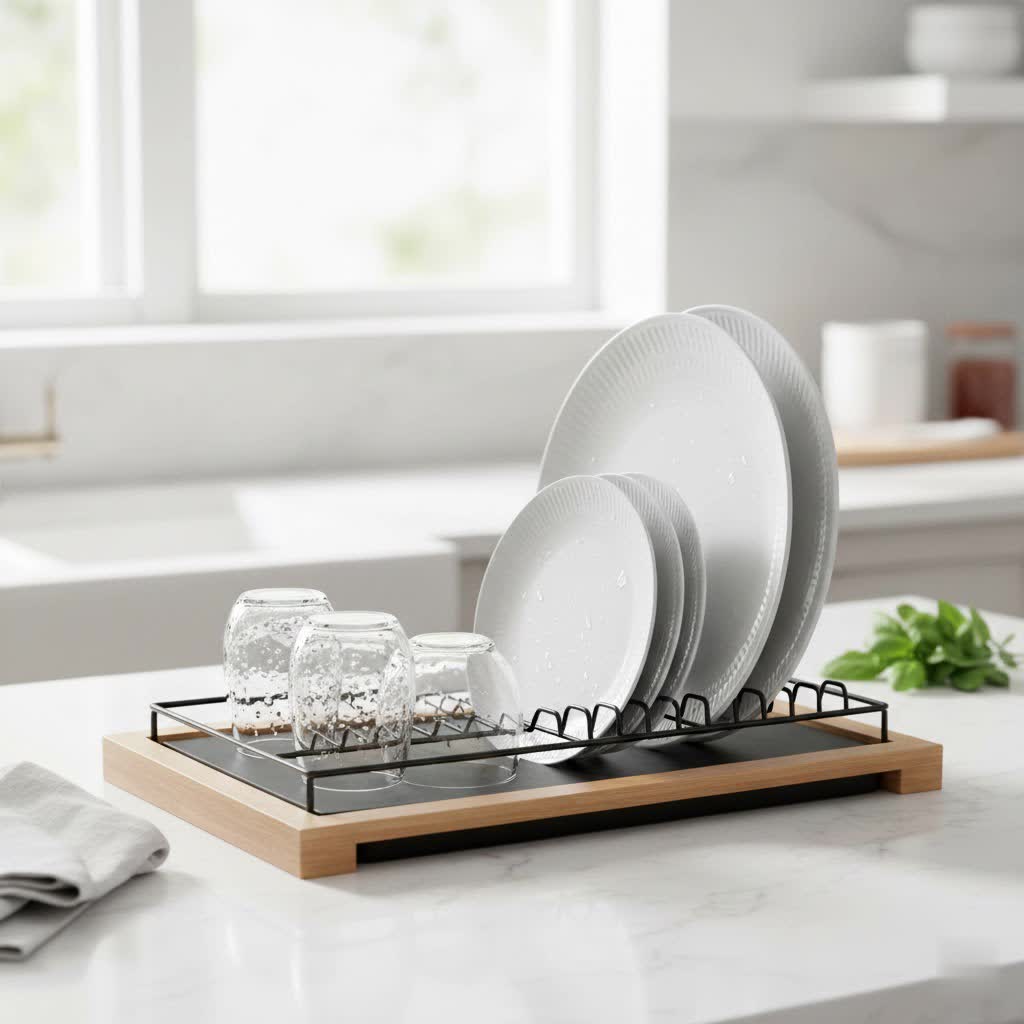
Tired of seeing a cluttered countertop, perpetually occupied by a bulky dish rack? For many home cooks and kitchen enthusiasts, the traditional dish drying rack is a necessary evil, offering functionality at the cost of precious workspace and visual appeal. But what if you could whisk away those freshly washed dishes to an unseen, dedicated drying space? Enter the Dish Rack Cabinet—an ingenious solution designed to integrate seamlessly into your kitchen, offering both practicality and a sleek, uncluttered aesthetic. This comprehensive guide will help you understand the world of dish rack cabinets, ensuring you make the perfect choice for your home.
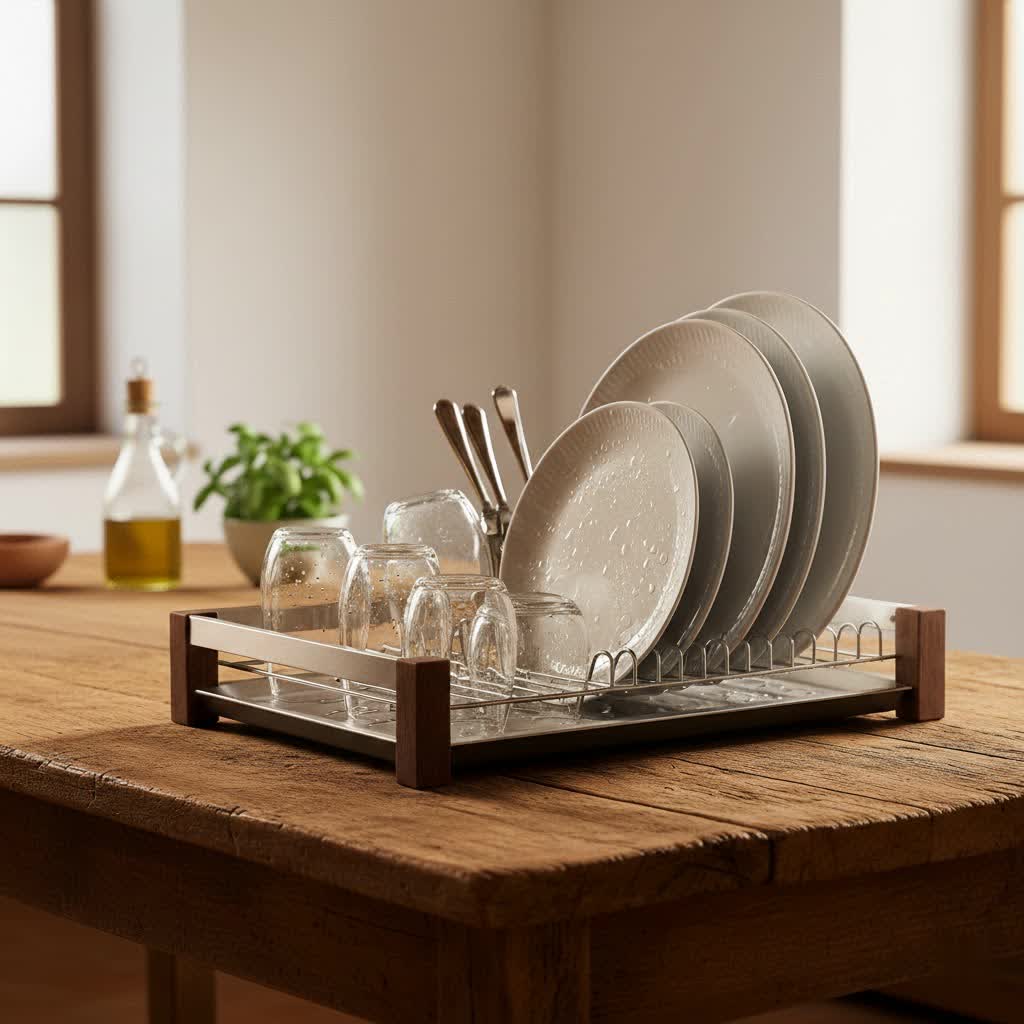
Types of Dish Rack Cabinets
The concept of a dish rack cabinet revolves around moving the drying process off your countertops and into a more discreet location. While traditional countertop racks are common, several innovative cabinet-integrated options offer superior aesthetics and space efficiency.
In-Cabinet Dish Drying Racks
|
Our Picks for the Best Dish Rack in 2026
We may earn a commission when you use one of our links to make a purchase.
|
||
| Num | Product | Action |
|---|---|---|
| 1 | Dish Drying Rack Over the Sink In Stainless Steel Expandable Drainer for Small Kitchen, Counter Space Saving Compact Inside Sink Plate Dryer, Adjustable Hanging Metal Wire Above Strainer Drain Holder |

|
| 2 | Over Sink Dish Drying Rack, 17" L x 11.8" W, Roll Up Dish Drying Rack for Kitchen, Gray |
|
| 3 | 7 code Large Dish Drying Rack for Kitchen Counter, Detachable Large Capacity Dish Drainer Organizer, 2-Tier Dish Racks with Utensil Holder, Black |
|
| 4 | Stainless Steel Dish Drying Rack - Large Capcity 304 Grade Dish Drainer for Kitchen Counter with Drain Board, Utensil Holder & Detachable Cup Shelf, Rustproof Multifunctional Organizer |
|
| 5 | Stainless Steel Dish Drying Rack for Kitchen Counter, Sink Organization and Storage Essentials with Silverware & Utensil Holder, Home and Apartment Decor, 12''W x 15.5''L, Black |
|
| 6 | Space-Saving 3-Piece Dish Drainer Rack Set with Cutlery Holder - Maximize Countertop Space, Black |
|
| 7 | TOOLF Expandable Dish Rack, Dish Drying Rack for Kitchen Counter, Foldable Dish Dryer Rack, Stainless Steel Dish Drainer Racks with Cutlery Holder, Collapsible Dish Drying Racks Large Size,Black |
|
| 8 | KitchenAid Large Capacity Full Size Rust Resistant Dish Rack with Angled Drain Board and Removable Flatware Caddy, Light Grey |
|
| 9 | Dish Drying Rack - Space-Saving Small Dish Rack for Kitchen Counter, Rust-Resistant Kitchen Drying Rack, Compact Dish Drainer Organizer with Utensil Holder for Home Kitchen, Black |
|
| 10 | Joseph Joseph Extendable Dish Drying Rack with Dual Parts - Stainless Steel, Non-Scratch, Movable Utensil Drainer & Drainage Spout, Gray |
|
These are perhaps the most popular and direct interpretation of the “dish rack cabinet” concept. Designed to be installed within existing wall-mounted kitchen cabinets, often positioned directly above the sink, these racks allow dishes to air dry while hidden from view. A notable example is the Finnish dish drying cabinet, a brilliant European design that utilizes an open-bottom cabinet and specialized racks to allow water to drain directly into the sink, promoting quick and hygienic drying. These systems typically replace standard cabinet shelves with specialized tiers for plates, bowls, and cups, maximizing vertical space.
Under-Sink Pull-Out Racks
While not strictly for “drying” in the same way as in-cabinet solutions, under-sink pull-out racks offer excellent storage for already-dried dishes or specific items. These typically feature sliding baskets or drawers that make organizing pots, pans, and even some plasticware more accessible, keeping them neatly tucked away in your lower cabinets. They are excellent for decluttering but usually aren’t designed for active water drainage, making them more of a storage solution than a true drying rack.
Integrated Dish Drying Systems
Beyond simple racks, some modern kitchen designs incorporate fully integrated dish drying systems, often with automated ventilation or heating elements to accelerate drying. These high-end solutions are custom-built into cabinetry, offering the ultimate in hidden functionality and convenience.
Key Considerations for Choosing a Dish Rack Cabinet
Selecting the right dish rack cabinet requires thoughtful consideration of several factors to ensure it meets your needs and complements your kitchen.
Material
The material of your dish rack cabinet components is crucial for durability, hygiene, and aesthetics.
- Stainless Steel (preferably 304 grade): This is a top choice due to its exceptional resistance to rust and corrosion, making it ideal for wet environments. Stainless steel is also non-porous, which helps prevent bacterial growth, ensuring your dishes dry hygienically. Its sleek, modern appearance blends well with contemporary kitchens.
- Aluminum: Lightweight yet sturdy, aluminum is naturally resistant to rust. It’s easy to handle and clean, often available in various colors to match kitchen decor. While durable, it may not always offer the same high-end aesthetic as stainless steel.
- Plastic (BPA-free): A budget-friendly option, plastic racks are lightweight and come in many designs. However, they are generally less durable than metal and can warp if exposed to excessive heat. Opting for high-quality, BPA-free plastic is essential for safety and longevity, as some plastics can retain odors or stains.
- Other Materials:
- Chrome-plated steel offers a shiny finish but can be prone to chipping or scratching over time.
- Carbon steel is very strong but requires a protective coating to prevent rust.
- Bamboo or wood racks offer an eco-friendly or classic aesthetic but demand meticulous care to prevent mold, mildew, and warping in humid conditions.
Size and Capacity
Before purchasing, carefully measure your available cabinet space.
- Matching Cabinet Dimensions: For in-cabinet solutions, precise measurements of your cabinet’s width, depth, and height are essential to ensure a proper fit and allow for door closure. Many systems are designed for standard cabinet sizes (e.g., 21-inch wall-mounted cabinets for some racks).
- Family Size and Typical Dish Load: Consider how many dishes you typically wash by hand. A small household might need a compact single-tier rack, while a larger family or frequent entertainer might benefit from multi-tiered systems that accommodate a greater volume of plates, bowls, glasses, and cookware.
Design and Features
Innovative designs and thoughtful features significantly enhance the functionality of a dish rack cabinet.
- Drainage System: An effective drainage system is paramount. Many in-cabinet racks include a removable drip tray at the bottom to catch water, which can then be easily emptied. Some advanced designs feature integrated drip trays that channel water directly into the sink, eliminating manual emptying and further enhancing hygiene.
- Ventilation: For any enclosed drying solution, proper ventilation is crucial to prevent moisture buildup, which can lead to mold, mildew, and unpleasant odors. Cabinets with louvered doors or open bottoms (as seen in Finnish designs) allow for essential airflow.
- Tiered Designs: Multi-tiered racks maximize vertical space, providing dedicated slots for plates, flat surfaces for bowls and cups, and sometimes even specific areas for larger items.
- Utensil Holders and Cutting Board Slots: Many models include integrated compartments for cutlery, chopsticks, and hooks for mugs or specialized slots for cutting boards, keeping everything organized.
Installation Type
Dish rack cabinets vary in their installation complexity.
- DIY vs. Professional Installation: Some in-cabinet racks are designed as simple inserts that replace existing shelves, making them suitable for DIY installation with minimal tools. Others might require drilling, precise measurements, or even cabinet modifications, which may necessitate professional assistance.
- Built-in/Permanent vs. Removable Inserts: Decide whether you want a permanent fixture that becomes part of your kitchen’s infrastructure or a more flexible, removable insert that can be taken out for deep cleaning or if your needs change.
Brand and Price
The market offers a range of brands, from general kitchenware manufacturers to specialized cabinet accessory providers. Brands like KitchenAid, Simplehuman, OXO, Yamazaki Home, and various lesser-known specialized manufacturers offer different price points and features. Researching reviews for specific models can provide insights into real-world performance, durability, and value for money.
Comparing Top Dish Rack Cabinet Solutions
| Feature | In-Cabinet Dish Drying Rack (e.g., Finnish Style) | Under-Sink Pull-Out Rack | Integrated Drying System |
|---|---|---|---|
| Primary Use | Hidden dish drying | Hidden dish storage | High-tech hidden drying |
| Placement | Upper wall cabinet (often above sink) | Lower cabinet (under sink) | Custom cabinetry |
| Drainage | Direct to sink or removable drip tray | Typically none (for dry items) | Advanced, often automated |
| Ventilation | Crucial (louvered doors, open bottom) | Less critical (for dry items) | Often integrated fans |
| Space Saving | Excellent (frees counter space) | Good (organizes lower cabinets) | Superior (completely hidden) |
| Aesthetics | Highly improves kitchen tidiness | Keeps clutter off sight | Ultimate sleekness |
| Installation | Moderate (DIY possible, may require mods) | Easy to moderate | Professional only |
| Price Range | Mid to high | Low to mid | High |
Usage and Maintenance Tips for Your Dish Rack Cabinet
To ensure your dish rack cabinet remains hygienic and functional, proper usage and maintenance are key.
- Proper Loading: While these racks offer ample space, avoid overloading them. Distribute dishes evenly to allow air circulation and prevent racks from wobbling or sagging. Placing plates vertically and separating items ensures quicker, more thorough drying.
- Ensuring Ventilation: If your in-cabinet rack doesn’t have an open bottom draining directly into the sink, ensure you empty the drip tray regularly. For enclosed cabinets, consider leaving the cabinet door slightly ajar for a short period after loading wet dishes to boost airflow, or ensure your cabinet has proper ventilation features like louvered doors.
- Regular Cleaning: Just like any dish rack, cabinet versions require cleaning. Stainless steel and plastic components can often be removed and washed with soap and water, or even in the dishwasher (check manufacturer instructions). Wipe down the inside of the cabinet periodically to prevent any residual moisture or dust accumulation.
- Preventing Mold and Mildew: The key to preventing mold and mildew is dryness. Always ensure dishes are reasonably free of excess water before placing them in the cabinet, and maintain good airflow. If any signs of mold appear, clean immediately with a mold-killing solution and improve ventilation.
Where to Buy Dish Rack Cabinets
The growing demand for streamlined kitchens means dish rack cabinets are becoming more accessible.
- Specialty Kitchen Stores: Stores focusing on kitchen organization and accessories may carry a selection of in-cabinet dish racks or can provide custom solutions.
- Online Retailers: Websites like Amazon, Wayfair, IKEA, and various home improvement e-commerce platforms offer a wide array of options, often with detailed product descriptions and customer reviews.
- Custom Cabinet Makers: For truly integrated or unique designs, a custom cabinet maker can design and install a dish drying cabinet that perfectly matches your kitchen’s style and dimensions.
When buying online, always pay close attention to product dimensions, material specifications (especially for stainless steel grades), and read customer reviews to gauge product quality and ease of installation.
Buying Guide: Your Checklist Before Investing
Before you commit to a dish rack cabinet, take a moment to consider these essential points:
- Assess Your Kitchen Space and Needs: Do you have a wall cabinet above your sink that can be converted? How much counter space do you want to free up? How many dishes do you regularly hand-wash?
- Determine Your Budget: Prices can range significantly based on material, size, brand, and whether it’s an insert or a custom-built solution.
- Consider Materials and Features: Prioritize rust-resistant, hygienic materials. Look for efficient drainage systems, good ventilation, and tiered designs that suit your dishware.
- Read Reviews and Research Brands: Learn from other users’ experiences regarding durability, ease of cleaning, and overall satisfaction.
Investing in a dish rack cabinet is a step towards a more organized, functional, and aesthetically pleasing kitchen. It’s a small change that can make a big difference in your daily routine and the overall ambiance of your home.
Frequently Asked Questions
Are dish drying cabinets sanitary?
Yes, dish drying cabinets can be highly sanitary, often more so than countertop racks. When designed with proper airflow and effective drainage (like drip trays or direct-to-sink systems), they prevent water pooling and allow dishes to air dry quickly, minimizing the environment for bacterial growth. Regular cleaning of the racks and trays is essential for maintaining hygiene.
How do you clean an in-cabinet dish rack?
Cleaning an in-cabinet dish rack typically involves removing the individual rack components and drip tray. Most stainless steel and plastic parts can be washed with warm, soapy water or placed on the top rack of a dishwasher. For integrated systems, regularly wipe down the inside of the cabinet with a mild cleaning solution to prevent moisture buildup and odors.
Can any cabinet be converted into a dish drying cabinet?
While many wall cabinets, especially those above the sink, can be adapted, not any cabinet is ideal. Optimal conversion requires good ventilation (e.g., adding louvered doors or ensuring an open bottom for drainage) and durable, rust-resistant racks. Careful measurement is crucial to ensure the racks fit and function correctly within your existing cabinet structure.
What is a Finnish dish drying cabinet?
A Finnish dish drying cabinet is a common kitchen fixture in Finland, consisting of an open-bottom cabinet with dish racks installed inside, usually above the sink. The design allows freshly washed dishes to air dry while water drips directly into the sink, keeping countertops clear and maintaining hygiene without the need for a separate drainboard.