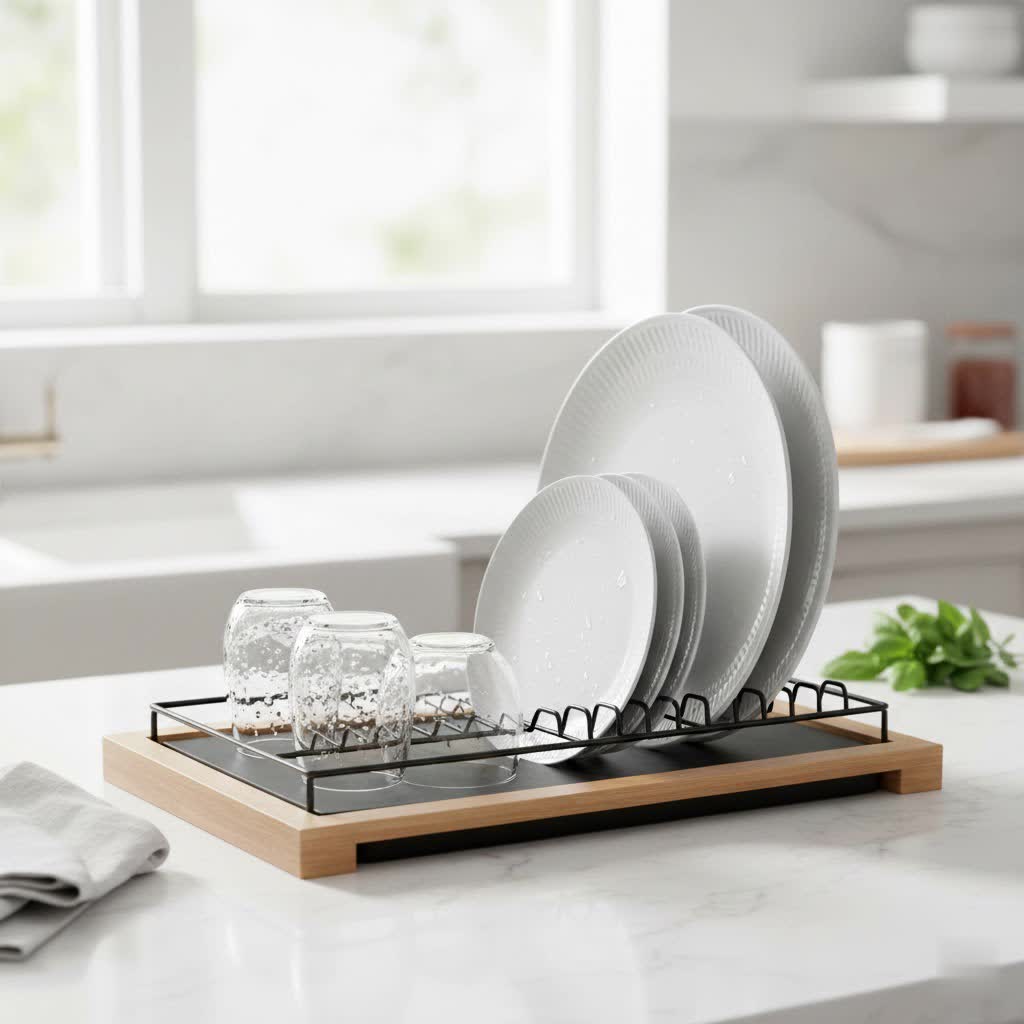
For anyone passionate about cooking, a well-organized kitchen is a sanctuary. Even with a dishwasher, hand-washing delicate items, large pots, or quick-rinse dishes is a daily reality. This is where a reliable dish rack becomes indispensable. KitchenAid, a brand synonymous with quality kitchen appliances, extends its commitment to excellence with its range of dish racks, designed not just for drying but for enhancing your kitchen’s functionality and aesthetic. But with various models and features available, choosing the right Kitchenaid Dish Rack can feel overwhelming. This comprehensive guide will walk you through everything you need to know, helping you select a dish rack that perfectly complements your home and lifestyle, making kitchen cleanup a smoother, more organized experience.
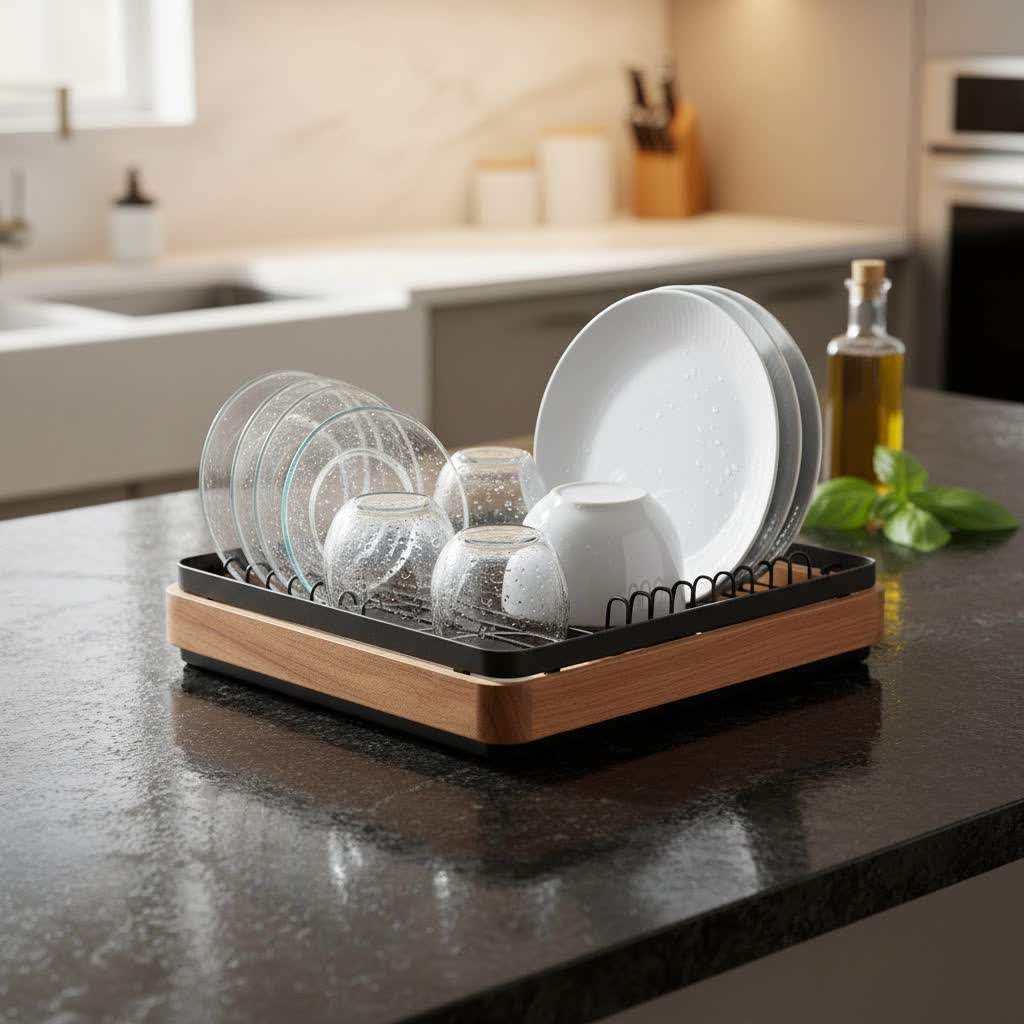
Popular Types of KitchenAid Dish Racks
KitchenAid offers several distinct dish rack designs, each catering to different kitchen sizes, dishwashing habits, and aesthetic preferences. Understanding the common types can help you narrow down your options.
- Full-Size Dish Racks: These are generally larger, offering ample space for full loads, including pots, pans, and numerous plates and glasses. They are ideal for larger households or those who frequently cook big meals and hand-wash many items. The advantage is generous capacity, but they require significant countertop space.
- Compact Dish Racks: Designed for smaller kitchens or individuals with limited counter space, compact KitchenAid dish racks are space-saving alternatives. While smaller, they are often intelligently designed to maximize drying area for everyday essentials without overwhelming your countertop. Their main benefit is their minimal footprint, though they might not accommodate very large items simultaneously.
- Expandable Dish Racks: Offering the best of both worlds, expandable models can be extended when you need extra drying space and retracted for a more compact footprint when not in full use. This versatility makes them excellent for those who occasionally need to dry larger loads but generally prefer to keep their counter tidy. The flexibility is a major plus, allowing adaptation to varying needs.
- Low Profile/Stacking Dish Racks: Some KitchenAid models feature a lower profile or stacking capability, ideal for kitchens with overhead cabinets or for those who prefer a less conspicuous drying solution. These designs prioritize space efficiency vertically or blend seamlessly into the kitchen environment.
Key Criteria for Choosing a KitchenAid Dish Rack
Selecting the ideal dish rack involves more than just picking the first one you see. Several factors should influence your decision to ensure it meets your specific needs.
Material
The material of your dish rack plays a crucial role in its durability, hygiene, and appearance.
- Stainless Steel: Many KitchenAid dish racks feature heavy-duty, satin-coated stainless steel wires or panels. Stainless steel is highly valued for its rust-resistant properties, sleek, modern aesthetic, and ease of cleaning. It’s a robust choice that can withstand years of daily use and heavy loads.
- Metal with Satin Finish: Often seen in KitchenAid’s wire frames, this material provides excellent rust resistance and a stylish, contemporary look. It’s durable and contributes to the rack’s overall stability.
- Plastic/Silicone: Components like drainboards, utensil holders, and non-slip feet are typically made from durable plastic or silicone. These materials are chosen for their water-resistant properties, flexibility, ease of cleaning, and ability to protect countertops and delicate dishes. They are essential for effective drainage and preventing scratches.
|
Our Picks for the Best Dish Rack in 2026
We may earn a commission when you use one of our links to make a purchase.
|
||
| Num | Product | Action |
|---|---|---|
| 1 | Dish Drying Rack - Space-Saving Small Dish Rack for Kitchen Counter, Rust-Resistant Kitchen Drying Rack, Compact Dish Drainer Organizer with Utensil Holder for Home Kitchen, Black |

|
| 2 | Joseph Joseph Extendable Dish Drying Rack with Dual Parts - Stainless Steel, Non-Scratch, Movable Utensil Drainer & Drainage Spout, Gray |
|
| 3 | KitchenAid Large Capacity Full Size Rust Resistant Dish Rack with Angled Drain Board and Removable Flatware Caddy, Light Grey |
|
| 4 | Stainless Steel Dish Drying Rack for Kitchen Counter, Sink Organization and Storage Essentials with Silverware & Utensil Holder, Home and Apartment Decor, 12''W x 15.5''L, Black |
|
| 5 | Over Sink Dish Drying Rack, 17" L x 11.8" W, Roll Up Dish Drying Rack for Kitchen, Gray |
|
| 6 | 7 code Large Dish Drying Rack for Kitchen Counter, Detachable Large Capacity Dish Drainer Organizer, 2-Tier Dish Racks with Utensil Holder, Black |
|
| 7 | Dish Drying Rack Over the Sink In Stainless Steel Expandable Drainer for Small Kitchen, Counter Space Saving Compact Inside Sink Plate Dryer, Adjustable Hanging Metal Wire Above Strainer Drain Holder |
|
| 8 | Stainless Steel Dish Drying Rack - Large Capcity 304 Grade Dish Drainer for Kitchen Counter with Drain Board, Utensil Holder & Detachable Cup Shelf, Rustproof Multifunctional Organizer |
|
| 9 | Space-Saving 3-Piece Dish Drainer Rack Set with Cutlery Holder - Maximize Countertop Space, Black |
|
| 10 | TOOLF Expandable Dish Rack, Dish Drying Rack for Kitchen Counter, Foldable Dish Dryer Rack, Stainless Steel Dish Drainer Racks with Cutlery Holder, Collapsible Dish Drying Racks Large Size,Black |
|
Size and Capacity
Consider the amount of dishes you typically hand-wash and your available countertop space.
- Kitchen Space: Measure your counter space carefully before purchasing. A full-size rack might be perfect for a spacious kitchen, while a compact or low-profile option is better suited for smaller areas or if you prefer a less obtrusive design.
- Household Size: A larger family or frequent entertainer will likely benefit from a full-size or expandable rack with greater capacity for plates, bowls, and larger cookware. Individuals or small households might find a compact rack sufficient. KitchenAid models are praised for their ability to hold various items, from delicate stemware to heavy pots and pans.
Design and Features
Thoughtful design elements can significantly improve a dish rack’s functionality and user experience.
- Efficient Drainage System: A hallmark of quality KitchenAid dish racks is an angled drainboard that directs water directly into the sink, preventing pooling and keeping your counters dry. This feature ensures dishes dry more efficiently and helps maintain a cleaner kitchen environment.
- Removable Utensil Caddy: Most KitchenAid dish racks include a removable flatware caddy, often with multiple compartments, making it easy to sort and dry silverware, knives, forks, and spoons. The removable design also simplifies unloading and cleaning.
- Stability and Protection: Look for features like heavy-duty wire construction and non-slip feet. These ensure the rack remains stable even when fully loaded with heavy items like cast-iron skillets, protecting your countertops from scratches and the rack from sliding.
- Specialized Holders: Some models offer additional features like hooks for drying coffee mugs, drinking glasses, or even a stemware attachment to safely hang delicate wine glasses. Expandable versions may also include dedicated spaces for cutting boards or larger serving dishes.
- Easy to Clean: KitchenAid dish racks are designed for easy disassembly, allowing you to quickly clean all components, including the drainboard, wires, and utensil holder, ensuring optimal hygiene and longevity.
Brand and Price
KitchenAid is a well-respected brand, and their dish racks reflect this reputation with durable construction and practical design.
- Reputation for Quality: KitchenAid dish racks consistently receive high ratings for their sturdiness, capacity, and effective drainage. While they might be priced slightly higher than some budget options, many users consider them a worthwhile investment due to their longevity and performance.
- Value for Money: Compare features and materials across different models and brands. KitchenAid often stands out for its robust construction, anti-microbial materials, and clever design elements that justify its price point.
Comparing Top KitchenAid Dish Rack Models
While specific model names vary, KitchenAid generally offers full-size, compact, and expandable dish racks, each with distinct advantages.
- KitchenAid Full-Size Dish Rack:
- Pros: Large capacity, ideal for big families and heavy loads, often features stainless steel components for durability and style, excellent drainage.
- Cons: Can be quite large, requiring substantial counter space.
- KitchenAid Compact Dish Rack:
- Pros: Space-saving design, perfect for small kitchens, still offers good capacity for daily dishes, usually includes key features like removable caddy and angled drainboard.
- Cons: Limited capacity for very large pots or multiple expansive items.
- KitchenAid Expandable Dish Rack:
- Pros: Highly versatile, adjusts to different load sizes, combines compact storage with large capacity when needed, often includes specialized holders like stemware attachments.
- Cons: May have a higher price point due to its adjustable mechanism.
Across all models, KitchenAid prioritizes rust-resistant materials, stable construction, and efficient water drainage, making them reliable choices for various kitchen setups.
How to Use and Maintain Your KitchenAid Dish Rack
Proper use and maintenance will ensure your KitchenAid dish rack remains functional and looking new for years.
Assembly and Usage
Most KitchenAid dish racks are designed for easy, tool-free assembly.
- Assemble Components: Follow the instructions to attach the wire rack to the base and secure the drainboard. Ensure the drainboard is angled correctly to guide water into your sink.
- Place Utensil Caddy: Position the removable utensil caddy in its designated spot. Its compartments help organize cutlery.
- Load Smartly: Place plates in upright slots to maximize airflow. Use designated areas for cups, bowls, and larger items. Utilize hooks for glassware. For stability, distribute heavier items evenly.
Cleaning and Care
Regular cleaning is crucial to prevent mildew, water spots, and grime buildup.
- Daily Rinse: After each use, quickly rinse the drainboard and rack components to remove any standing water or food particles.
- Weekly Deep Clean: Disassemble the rack by removing the utensil caddy and drainboard. Wash all parts with warm, soapy water and a soft brush or sponge. Pay attention to crevices where water might collect.
- Drying: Allow all parts to air dry completely before reassembling to prevent mildew and mineral buildup. You can also wipe them down with a clean cloth.
- Descaling: If you have hard water, mineral deposits may build up. Soak the drainboard in a mixture of white vinegar and water for about 30 minutes, then scrub and rinse thoroughly.
Where to Buy KitchenAid Dish Racks?
KitchenAid dish racks are widely available, making it easy to find one that suits your needs.
- Major Retailers: You can find KitchenAid dish racks at large department stores, home goods stores, and kitchen specialty shops.
- Online Marketplaces: Websites like Amazon, Walmart, Target, and Bed Bath & Beyond offer a wide selection of KitchenAid dish racks, often with competitive pricing and customer reviews.
- KitchenAid’s Official Website: The brand’s official site may also feature their dish rack collection, sometimes with exclusive models or deals.
When buying online, always verify seller reputation and read product reviews to ensure authenticity and quality.
KitchenAid Dish Rack Buying Guide
Before making your purchase, consider these key factors to ensure you’re bringing home the best KitchenAid dish rack for your kitchen.
- Assess Your Space: Crucially, measure the countertop area where the dish rack will sit. Determine if a full-size, compact, or expandable model is most practical for your kitchen’s footprint.
- Consider Your Needs: Think about the typical volume and type of dishes you hand-wash. Do you need extensive space for pots and pans, or mainly for glasses and cutlery? This will guide your decision on capacity.
- Prioritize Material: For longevity and aesthetics, stainless steel or rust-resistant coated metal are excellent choices. Ensure the drainboard is easy to clean and effectively funnels water.
- Look for Key Features: An angled drainboard, a removable multi-compartment utensil caddy, stable construction, and non-slip feet are essential features that enhance usability and maintain a dry, organized counter.
- Budget Appropriately: While KitchenAid dish racks might have a slightly higher upfront cost compared to generic alternatives, their durability and thoughtful design often translate to better long-term value.
Conclusion
Choosing the right dish rack can significantly streamline your kitchen cleanup routine, transforming a mundane chore into a more manageable task. KitchenAid dish racks stand out for their robust construction, intelligent design, and commitment to quality, offering a range of options to suit diverse needs and kitchen sizes. From compact models for urban apartments to expandable solutions for busy family homes, investing in a KitchenAid dish rack means opting for durability, efficiency, and a touch of organized elegance on your countertop.
Which KitchenAid dish rack feature do you find most essential for your daily kitchen tasks?
Frequently Asked Questions
Are KitchenAid dish racks rust-resistant?
Yes, KitchenAid dish racks are generally made with rust-resistant materials such as satin-coated stainless steel or durable metal frames, ensuring longevity and maintaining a sleek appearance even with consistent exposure to water.
Can KitchenAid dish racks hold heavy pots and pans?
Absolutely. KitchenAid dish racks are known for their sturdy construction and heavy-duty wire designs, allowing them to securely hold substantial items like cast-iron skillets and large mixing bowls without wobbling or toppling.
How do KitchenAid dish racks handle water drainage?
Most KitchenAid dish racks feature an intelligently designed angled drainboard made from durable plastic or silicone. This integrated system ensures that excess water is directed swiftly and efficiently into your sink, preventing pooling on your countertop.
Are the utensil holders removable for cleaning?
Yes, a common and highly appreciated feature across KitchenAid dish rack models is the removable flatware caddy. This allows for easy cleaning of the caddy itself and provides flexibility to increase drying space when needed.
What sizes are available for KitchenAid dish racks?
KitchenAid offers various sizes, including compact models for smaller kitchens or limited counter space, full-size racks for larger households and extensive dish loads, and even expandable options that adjust to your specific drying needs.