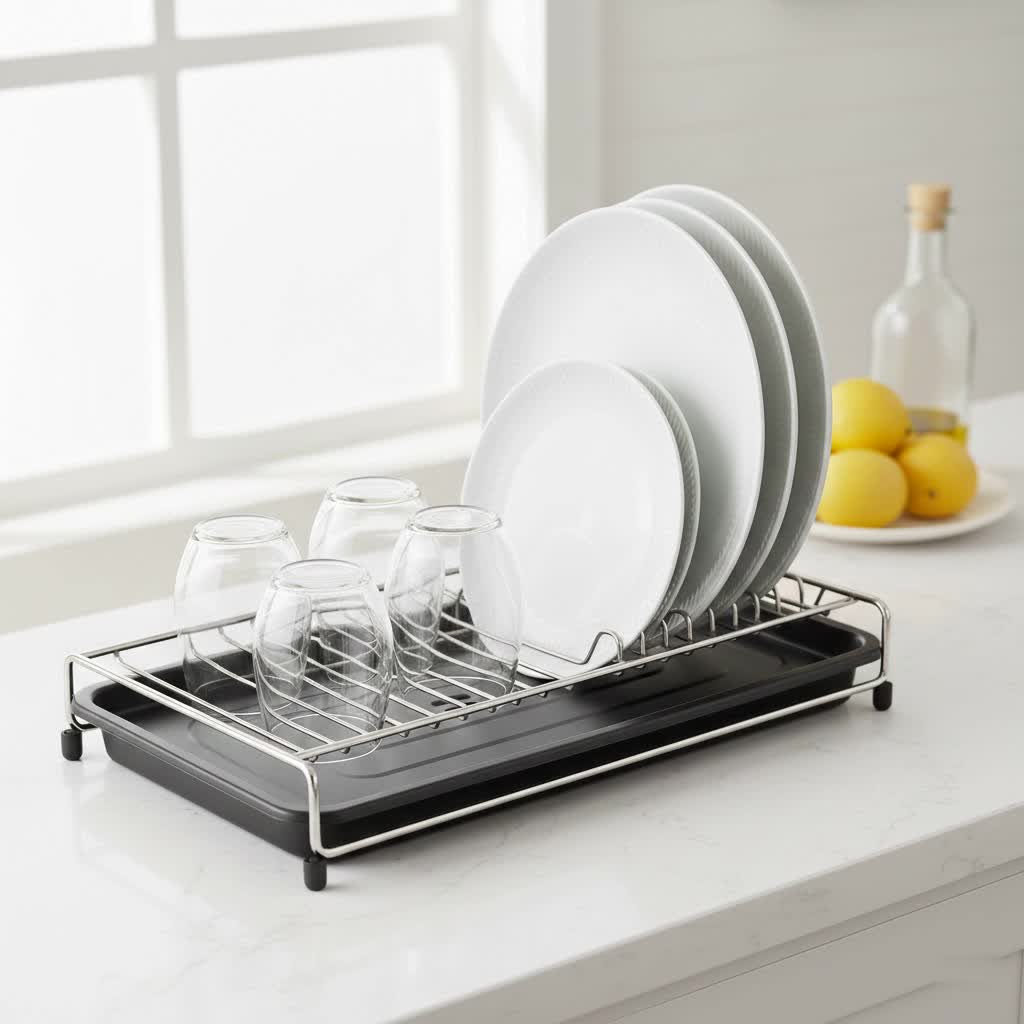
Drying dishes after a hearty meal can often feel like a never-ending chore, especially when counter space is at a premium and wet dishes linger. For many of us, a well-chosen dish rack is not just a convenience, but a necessity for maintaining an organized and hygienic kitchen. Navigating the vast selection of dish racks on Amazon can be overwhelming, with countless options promising efficient drying and space-saving solutions. This comprehensive guide will simplify your search, helping you identify the perfect Amazon dish rack that seamlessly integrates into your kitchen and streamlines your cleanup routine.
Popular Types of Amazon Dish Racks
The world of dish racks offers a surprising variety, each designed to address different kitchen layouts and drying needs. Understanding these types is the first step toward making an informed decision for your home. For explore our kitchen organization reviews on this site.
Countertop Dish Racks
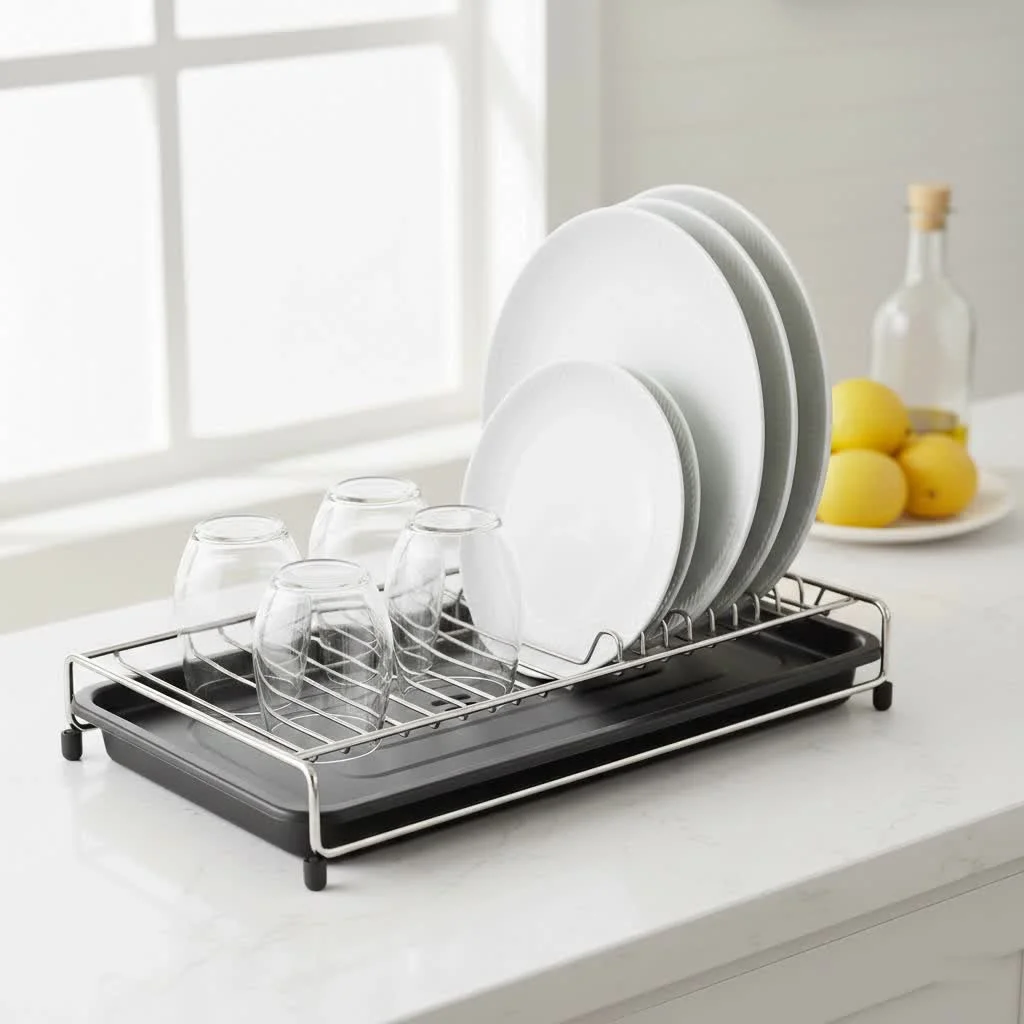
Countertop dish racks are the most traditional and widely recognized type, sitting directly on your kitchen counter. They come in various configurations, including single-tier designs for basic needs and multi-tiered models (often two-tier) that maximize vertical space for larger loads.
- Pros: Highly versatile, easy to move for cleaning or repositioning, and generally offer good capacity. Many include integrated drainboards to channel water directly into the sink.
- Cons: Occupy valuable counter space, which can be a significant drawback in smaller kitchens.
Over-the-Sink & In-Sink Dish Racks
Designed to float above or fit directly into your sink basin, these racks are champions of space-saving. Over-the-sink models typically span the width of your sink, while in-sink versions sit within one basin of a double sink.
- Pros: Frees up counter space entirely, and water drains directly into the sink, eliminating puddles. Over-the-sink racks can also double as a colander for washing produce.
- Cons: Requires specific sink dimensions for a proper fit and can potentially obstruct sink access while in use.
Roll-Up & Foldable Dish Racks
For kitchens with minimal space or those who prefer a clutter-free aesthetic, roll-up and foldable dish racks offer an ingenious solution. These flexible racks typically consist of silicone-coated metal rods that can be rolled up or folded flat for compact storage when not in use.
- Pros: Exceptionally space-saving, highly versatile (can serve as a trivet for hot pots), and easy to store in a drawer or cabinet.
- Cons: Generally have a more limited capacity compared to rigid countertop racks and might not be as sturdy for very heavy pots and pans.
Dish Drying Mats (with Integrated Racks)
|
Our Picks for the Best Dish Rack in 2026
As an Amazon Associate I earn from qualifying purchases.
|
||
| Num | Product | Action |
|---|---|---|
| 1 | Dish Drying Rack - Space-Saving Small Dish Rack for Kitchen Counter, Rust-Resistant Kitchen Drying Rack, Compact Dish Drainer Organizer with Utensil Holder for Home Kitchen, Black |

|
| 2 | Joseph Joseph Extendable Dish Drying Rack with Dual Parts - Stainless Steel, Non-Scratch, Movable Utensil Drainer & Drainage Spout, Gray |
|
| 3 | KitchenAid Large Capacity Full Size Rust Resistant Dish Rack with Angled Drain Board and Removable Flatware Caddy, Light Grey |
|
| 4 | Stainless Steel Dish Drying Rack for Kitchen Counter, Sink Organization and Storage Essentials with Silverware & Utensil Holder, Home and Apartment Decor, 12''W x 15.5''L, Black |
|
| 5 | Stainless Steel Dish Drying Rack - Large Capcity 304 Grade Dish Drainer for Kitchen Counter with Drain Board, Utensil Holder & Detachable Cup Shelf, Rustproof Multifunctional Organizer |
|
| 6 | Space-Saving 3-Piece Dish Drainer Rack Set with Cutlery Holder - Maximize Countertop Space, Black |
|
| 7 | Over Sink Dish Drying Rack, 17" L x 11.8" W, Roll Up Dish Drying Rack for Kitchen, Gray |
|
| 8 | Dish Drying Rack Over the Sink In Stainless Steel Expandable Drainer for Small Kitchen, Counter Space Saving Compact Inside Sink Plate Dryer, Adjustable Hanging Metal Wire Above Strainer Drain Holder |
|
| 9 | TOOLF Expandable Dish Rack, Dish Drying Rack for Kitchen Counter, Foldable Dish Dryer Rack, Stainless Steel Dish Drainer Racks with Cutlery Holder, Collapsible Dish Drying Racks Large Size,Black |
|
| 10 | 7 code Large Dish Drying Rack for Kitchen Counter, Detachable Large Capacity Dish Drainer Organizer, 2-Tier Dish Racks with Utensil Holder, Black |
|
Modern alternatives to traditional racks, dish drying mats provide a soft, absorbent surface for drying dishes, often paired with a small, removable rack insert. The mat protects your countertop from scratches and absorbs excess water.
- Pros: Protects countertops, can be more aesthetically pleasing than bulky racks, and the mat itself is often machine washable. The removable rack offers some structural support for plates.
- Cons: Mats can retain moisture, potentially leading to mildew or odors if not dried properly, and their overall drying capacity for larger items is limited.
Key Criteria for Choosing Your Amazon Dish Rack
Selecting the ideal dish rack from Amazon requires careful consideration of several factors beyond just its appearance. The best rack for your kitchen will align with your space, dishwashing habits, and maintenance preferences.
Material Matters: Durability and Hygiene
The material of your dish rack significantly impacts its longevity, ease of cleaning, and resistance to common kitchen woes like rust.
- Stainless Steel (e.g., 304 Grade): Widely regarded as the top choice for dish racks, especially 304-grade stainless steel, which offers excellent rust resistance, durability, and a sleek, modern aesthetic. These racks are built to withstand constant moisture and heavy loads, often featuring fingerprint-proof finishes for easier maintenance.
- Plastic (BPA-free): Lightweight and typically the most budget-friendly option, plastic racks are easy to clean and won’t scratch your countertops. However, they may be less durable than metal alternatives, prone to chipping or cracking over time, and can sometimes stain. Look for BPA-free plastic for safety.
- Bamboo: A sustainable and aesthetically pleasing option that brings a natural warmth to your kitchen. Bamboo is relatively durable but requires more diligent care, such as regular drying and oiling, to prevent mold, mildew, and warping in a wet environment.
- Chrome-plated Steel: Often found in more affordable metal racks, chrome-plated steel can offer a shiny, attractive finish. However, if the chrome coating is scratched or compromised, the underlying steel can quickly rust when exposed to water, a common complaint among users [cite: 1, 1 (amazon ratings)].
Size and Capacity: Fitting Your Kitchen and Family Needs
The right size dish rack ensures it fits comfortably in your designated space while offering sufficient capacity for your daily dish load.
- Assess Your Space: Measure the available counter space next to your sink, under cabinets, or the dimensions of your sink basin if considering an over-the-sink model. Remember to account for faucet height if choosing a multi-tiered or over-the-sink rack.
- Consider Your Household: A single-tier compact rack might suffice for a small apartment or an individual, while a large family or frequent entertainer will benefit from a full-size, two-tier, or extendable model.
- Look for Adaptability: Expandable or modular designs, such as those that adjust in length or allow reconfigurable components, offer flexibility for varying dish loads or changing kitchen needs.
Smart Design & Essential Features
Modern dish racks incorporate intelligent features that enhance functionality and efficiency.
- Drainage Systems: This is paramount. Look for angled drainboards that effectively channel water directly into the sink, preventing water pooling on your countertops [cite: 5, 4 (drying racks in 2025)]. Swivel spouts offer versatility in directing water, while some advanced models boast auto-drain systems.
- Accessory Holders: Dedicated spots for various kitchen items are a game-changer.
- Utensil Caddies: Removable and often deep enough to hold silverware upright. Pay attention to divider length; some users find short dividers less effective [cite: 1 (amazon ratings)].
- Knife Slots: Keep sharp knives safely separated.
- Cutting Board Slots: Conveniently dry cutting boards.
- Cup & Wine Glass Holders: External hooks or designated prongs protect delicate glassware.
- Stability: A sturdy construction with non-slip feet is crucial to prevent wobbling or tipping when the rack is fully loaded with dishes.
- Airflow: Open designs promote better air circulation, which helps dishes dry faster and reduces the chance of mildew.
Brand Reputation & Pricing on Amazon
Amazon hosts a vast array of brands, from well-known kitchenware manufacturers to emerging names. While specific brand recommendations can change, some consistently receive high praise.
- Reputable Brands: Brands like KitchenAid, simplehuman, Yamazaki Home, Kitsure, and OXO frequently appear in “best-of” lists for their quality, thoughtful design, and durability. These often come with a higher price tag but typically offer superior performance and longevity.
- Amazon Basics: As Amazon’s own brand, Amazon Basics offers budget-friendly options that can be a good starting point, though quality can vary, and they may not have the advanced features of premium brands.
- Balancing Cost and Value: Evaluate the features you genuinely need against your budget. Investing a bit more in a durable, rust-resistant stainless steel rack with efficient drainage can save you money and frustration in the long run.
Comparing Top Amazon Dish Rack Models
To help illustrate the variety and features available, here’s a comparative look at types of dish racks frequently found on Amazon, highlighting their general characteristics rather than specific current models.
| Feature | Countertop Dish Rack (e.g., 2-Tier Stainless Steel) | Over-the-Sink Dish Rack (e.g., Sakugi) | Roll-Up Dish Rack (e.g., Seropy) | Dish Drying Mat with Rack (e.g., Umbra UDRY) |
|---|---|---|---|---|
| Material | Stainless Steel (often 304), Plastic, sometimes Coated Steel | 304 Stainless Steel, Carbon Steel | Silicone-coated Stainless Steel | Microfiber Mat, Plastic Rack |
| Capacity | High (especially 2-tier) | Medium to High (utilizes vertical space) | Low to Medium (depending on length) | Low to Medium (mat provides extra space) |
| Space Saving | Moderate (takes counter space) | Excellent (frees up counter space) | Excellent (stores away easily) | Good (mat can be folded) |
| Drainage | Integrated drainboard, sometimes with swivel spout | Direct into sink | Drips into sink (if over sink) | Mat absorbs water, needs to be dried |
| Features | Utensil holder, plate slots, cup hooks, often removable parts | Utensil, knife, cutting board holders, utility hooks, adjustable width | Heat resistant, doubles as trivet/colander | Removable rack, protects countertops |
| Pros | Versatile, large capacity, stable | Maximizes vertical space, direct drainage, keeps counters dry | Highly compact, multi-functional, versatile | Gentle on dishes, good for delicate items |
| Cons | Occupies counter space, some prone to rust if not high quality | Can obstruct sink, needs to fit sink dimensions | Limited capacity, not ideal for very heavy items | Mat can stay wet, limited rigidity |
| Price Range | Medium to High | Medium to High | Low to Medium | Low to Medium |
> “The greatest dish rack isn’t about being the biggest or having the most features, but rather about how perfectly it integrates into your daily kitchen flow and solves your unique space challenges.” – Alice Chen, Kitchen Organization Expert
Usage and Maintenance Tips for Your Amazon Dish Rack
Even the best dish rack requires proper usage and regular maintenance to perform optimally and extend its lifespan.
Assembly and Placement
Most Amazon dish racks are designed for easy assembly, often requiring no tools or simple hand tools. Follow the manufacturer’s instructions carefully. When placing your rack, ensure it’s on a stable, flat surface. For countertop models with drainboards, position the drain spout directly over your sink to prevent water from pooling. Over-the-sink racks should be securely seated on the sink edges, ensuring stability.
Cleaning and Care
Regular cleaning is essential to prevent the buildup of mineral deposits, soap scum, mold, and mildew, which can become unsightly and unhygienic.
- Stainless Steel Racks: Clean weekly with warm soapy water and a soft cloth. For stubborn water spots or rust, use a stainless steel cleaner or a mixture of vinegar and baking soda. Ensure it’s thoroughly dried afterward.
- Plastic Racks: These can often be washed by hand with dish soap and water. Some plastic components or entire racks are top-rack dishwasher safe; check the product specifications.
- Bamboo Racks: Hand wash with mild soap and water, then dry immediately and thoroughly. To maintain its appearance and prevent cracking, occasionally wipe it with food-grade mineral oil.
- Drainboards & Trays: These components, regardless of material, should be cleaned frequently as they collect most of the water and debris. Many are removable for easy washing.
Maximizing Lifespan
- Avoid Harsh Chemicals: Do not use abrasive cleaners, steel wool, or harsh chemicals like bleach, especially on stainless steel or coated racks, as these can damage the finish and promote rust.
- Proper Loading: Distribute dishes evenly to maintain stability. Overloading can stress the rack and lead to damage. Place heavier items on the bottom tier or in the most stable sections.
- Air Dry Components: Whenever possible, allow all components (especially mats and drainboards) to air dry completely between uses to inhibit mold and mildew growth.
Where to Buy Your Perfect Dish Rack on Amazon
Amazon offers an unparalleled selection, but smart shopping practices are key to a successful purchase.
- Utilize Filters: Use Amazon’s filtering options to narrow down your choices by material (e.g., “stainless steel dish rack”), type (“over-the-sink”), brand, price range, and customer review rating.
- Read Customer Reviews: Pay close attention to recent reviews, especially those with photos, to gauge real-world performance and common issues (e.g., “rusting after a few months” or “silverware holder too small”). Reviews often highlight practical insights that product descriptions might miss.
- Check Seller Ratings and Return Policies: Ensure you are buying from a reputable seller with high ratings. Familiarize yourself with Amazon’s return policy for the specific product in case it doesn’t meet your expectations or arrives damaged.
- Beware of “Too Good to Be True” Deals: While Amazon offers great deals, be cautious of extremely low prices for what appear to be premium products, as this could indicate a lower-quality imitation.
Buying Guide: Your Amazon Dish Rack Checklist
Before finalizing your purchase, run through this checklist to ensure you’re making the best choice for your kitchen:
- Kitchen Size & Layout: Do you have ample counter space, or do you need an over-the-sink or foldable option?
- Dishwashing Habits: Do you handwash large pots and pans frequently, or mostly small items?
- Household Size: How many dishes do you typically dry at once?
- Aesthetic Preference: Do you prefer sleek stainless steel, warm bamboo, or functional plastic?
- Must-Have Features: Is a swivel drain spout, wine glass holder, or large utensil caddy non-negotiable?
- Rust Resistance: Is 304 stainless steel or a high-quality coated material a priority?
- Ease of Cleaning: Are detachable parts and simple designs important for hassle-free maintenance?
- Budget: What is your realistic spending limit?
Considering these factors will guide you toward a dish rack that not only fits your space and budget but genuinely enhances your kitchen experience.
Conclusion
Choosing the right Amazon dish rack is about more than just finding a place to stack wet dishes; it’s about investing in a practical tool that brings efficiency and order to your kitchen cleanup. By understanding the various types, prioritizing durable and hygienic materials, and focusing on smart design features like effective drainage and ample capacity, you can confidently select a dish rack that meets your specific needs. With careful consideration, your new dish rack will transform your post-meal routine, keeping your countertops dry and your kitchen sparkling.
What kind of dish rack do you think would revolutionize your kitchen cleanup the most?
Frequently Asked Questions
How often should I clean my Amazon dish rack?
For optimal hygiene and to prevent the buildup of mold, mildew, and hard water stains, it’s recommended to clean your dish rack at least once a week. Drainboards and utensil holders should be cleaned more frequently, ideally every few days, as they accumulate water and food particles.
Can I put a dish rack in the dishwasher?
Some dish rack components, particularly those made of plastic or certain detachable parts, may be top-rack dishwasher safe. Always check the manufacturer’s instructions for your specific model. Full metal racks are generally not recommended for dishwasher cleaning as harsh detergents and high heat can damage finishes or coatings.
What is the best material for a rust-proof dish rack?
304-grade stainless steel is widely considered the best material for a rust-proof dish rack due to its high chromium and nickel content, which provides excellent corrosion resistance. While plastic is inherently rust-proof, it may lack the durability and aesthetic appeal of high-quality stainless steel.
Are over-the-sink dish racks stable?
High-quality over-the-sink dish racks are designed for stability, often featuring adjustable, non-slip rubberized arms or feet that grip the sink edges securely. However, it’s crucial to ensure the rack’s dimensions match your sink size and to distribute dish weight evenly to prevent wobbling or tipping.
How do I prevent water from pooling under my dish rack?
To prevent water pooling, ensure your dish rack has an angled drainboard with a spout that directs water directly into the sink. Many modern racks feature swivel spouts for versatile placement. Regularly clean the drainboard to prevent blockages, and ensure your counter is level to allow proper water flow.
Cooking gear we tested in our own kitchens
Free PDF — preheat times measured on 10 popular air fryers.
