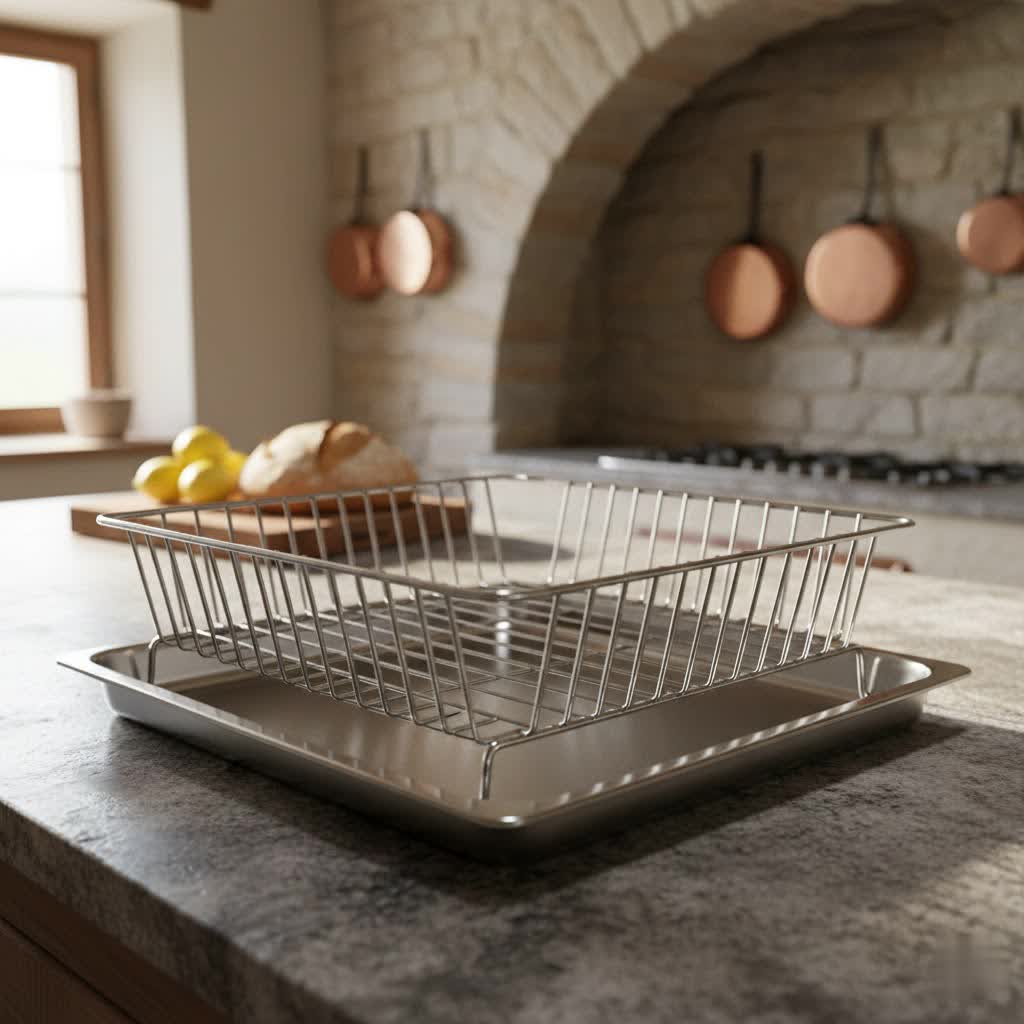
In the heart of every home, the kitchen often serves as a hub of activity, and the simple act of washing dishes can quickly lead to clutter without the right tools. A high-quality dish rack is more than just a place to dry your plates; it’s an essential organizational tool that can transform your kitchen’s efficiency and aesthetic. From maximizing counter space in a compact apartment to handling a feast-sized pile of cookware, the perfect dish rack ensures dishes dry hygienically and your kitchen stays tidy.
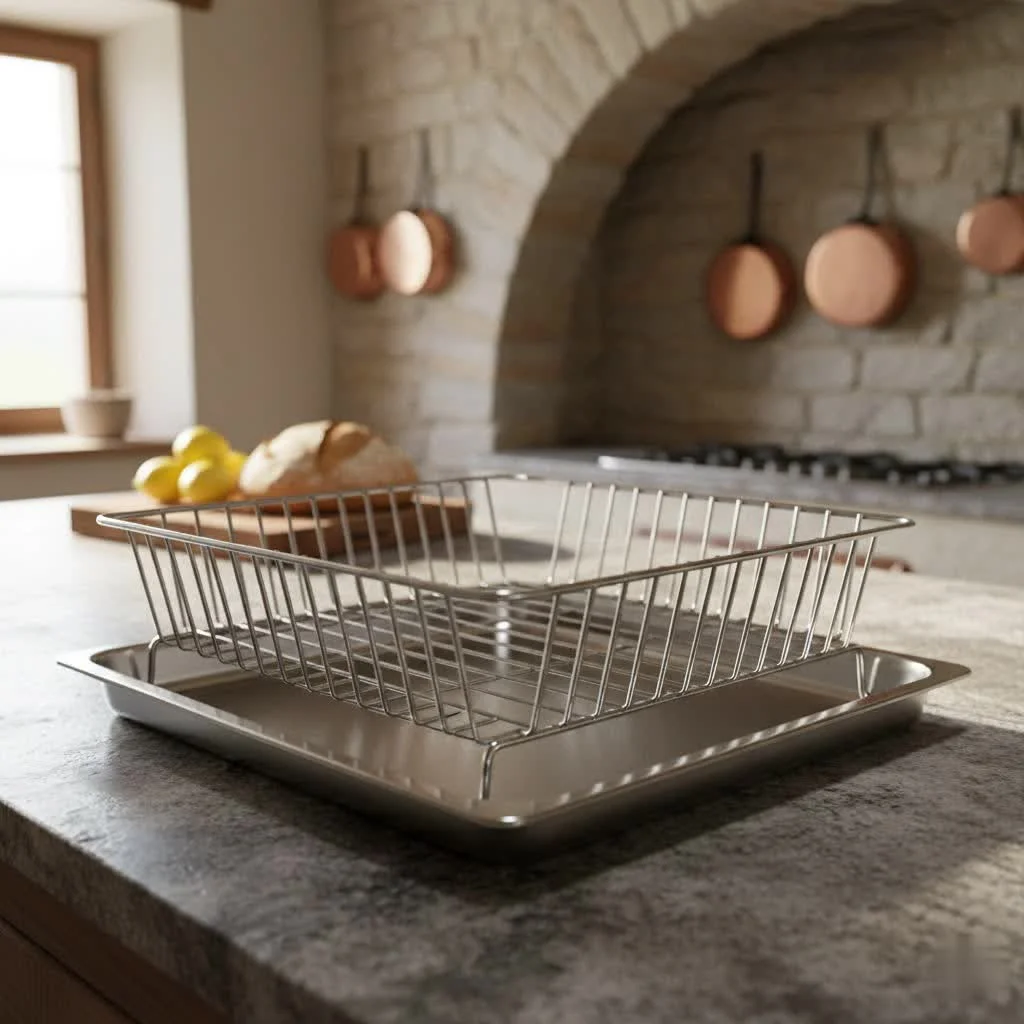
With countless options on the market, selecting the ideal dish rack can feel overwhelming. This comprehensive guide will navigate through the diverse types, essential features, and key considerations to help you find a dish rack that perfectly suits your lifestyle, kitchen layout, and dishwashing habits. For see our kitchen organization recommendations on this site.
Popular Types of Dish Racks
The world of dish racks offers a surprising variety, each designed to address specific kitchen needs and space constraints. Understanding these types is the first step toward making an informed decision.
Countertop Dish Racks
These are the most traditional and common type, sitting directly on your kitchen counter. They come in various sizes and configurations, including single-tier and two-tier designs.
- Pros: Generally offer high capacity, making them suitable for larger households or those who frequently hand-wash many items, including pots and pans. They are often very stable and can handle heavy loads.
- Cons: Their primary drawback is occupying valuable counter space, which can be a significant concern in smaller kitchens.
Over-the-Sink Dish Racks
Designed to utilize the space directly above your sink, these racks free up counter space by spanning across the sink basin. Roll-up versions are a popular sub-category, made from silicone-coated metal rods that can be rolled up for storage.
- Pros: Excellent for space-saving, as they keep drips contained within the sink, eliminating the need for a separate drainboard. Roll-up racks are particularly versatile, serving as both a drying rack and an additional prep surface.
- Cons: They may partially obstruct sink access while in use and might have limitations on capacity for very large or unusually shaped items depending on the model.
Foldable/Collapsible Dish Racks
These racks are designed with flexibility in mind, allowing them to be folded down or collapsed when not in use.
- Pros: Ideal for small kitchens or those who prefer to tuck away their drying rack to maintain a minimalist look. They are typically lightweight and easy to store in a cabinet or drawer.
- Cons: Some foldable models might be less sturdy than their rigid counterparts, and their capacity can be more limited.
In-Sink Dish Racks / Drying Mats
|
Our Picks for the Best Dish Rack in 2026
As an Amazon Associate I earn from qualifying purchases.
|
||
| Num | Product | Action |
|---|---|---|
| 1 | Dish Drying Rack Over the Sink In Stainless Steel Expandable Drainer for Small Kitchen, Counter Space Saving Compact Inside Sink Plate Dryer, Adjustable Hanging Metal Wire Above Strainer Drain Holder |

|
| 2 | Space-Saving 3-Piece Dish Drainer Rack Set with Cutlery Holder - Maximize Countertop Space, Black |
|
| 3 | 7 code Large Dish Drying Rack for Kitchen Counter, Detachable Large Capacity Dish Drainer Organizer, 2-Tier Dish Racks with Utensil Holder, Black |
|
| 4 | TOOLF Expandable Dish Rack, Dish Drying Rack for Kitchen Counter, Foldable Dish Dryer Rack, Stainless Steel Dish Drainer Racks with Cutlery Holder, Collapsible Dish Drying Racks Large Size,Black |
|
| 5 | Joseph Joseph Extendable Dish Drying Rack with Dual Parts - Stainless Steel, Non-Scratch, Movable Utensil Drainer & Drainage Spout, Gray |
|
| 6 | Stainless Steel Dish Drying Rack for Kitchen Counter, Sink Organization and Storage Essentials with Silverware & Utensil Holder, Home and Apartment Decor, 12''W x 15.5''L, Black |
|
| 7 | Stainless Steel Dish Drying Rack - Large Capcity 304 Grade Dish Drainer for Kitchen Counter with Drain Board, Utensil Holder & Detachable Cup Shelf, Rustproof Multifunctional Organizer |
|
| 8 | KitchenAid Large Capacity Full Size Rust Resistant Dish Rack with Angled Drain Board and Removable Flatware Caddy, Light Grey |
|
| 9 | Over Sink Dish Drying Rack, 17" L x 11.8" W, Roll Up Dish Drying Rack for Kitchen, Gray |
|
| 10 | Dish Drying Rack - Space-Saving Small Dish Rack for Kitchen Counter, Rust-Resistant Kitchen Drying Rack, Compact Dish Drainer Organizer with Utensil Holder for Home Kitchen, Black |
|
In-sink racks sit inside your sink basin, while drying mats are fabric or silicone mats placed on the counter.
- Pros: In-sink racks are discreet and keep water contained, making them good for minimal drying needs. Drying mats offer a soft surface for delicate items and can be easily rolled up or hung to dry.
- Cons: An in-sink rack reduces the usable space within your sink. Drying mats absorb water, requiring regular washing to prevent bacterial growth and mildew.
Wall-Mounted Dish Racks
For kitchens with extremely limited counter space or those seeking a permanent, high-capacity solution, wall-mounted racks are an option.
- Pros: Completely free up counter space and can offer substantial drying capacity, making them great for large families or commercial-style kitchens.
- Cons: Installation is required, and their fixed location means less flexibility for rearrangement.
Key Criteria for Selecting Your Dish Rack
Choosing the perfect dish rack involves considering several critical factors beyond just its type. The right combination of material, size, and design will ensure functionality and longevity.
Material Matters
The material of your dish rack profoundly impacts its durability, hygiene, and aesthetic appeal.
- Stainless Steel: Renowned for its robustness and sleek appearance, stainless steel is a top choice. It resists rust and corrosion, making it ideal for humid kitchen environments. Its non-porous surface also helps prevent bacterial growth, ensuring a hygienic drying space. High-quality stainless steel offers long-term value and a modern look.
- Aluminum: Lightweight yet sturdy, aluminum is a practical option that is naturally resistant to rust. It’s often favored for its ease of handling and diverse color options, though some finishes may show water spots more readily.
- Plastic (BPA-free PP): Plastic dish racks are typically the most affordable and come in a wide array of colors and designs. They are lightweight and easy to clean. However, plastic can be less durable than metal, potentially warping with prolonged heat exposure or cracking over time. It may also retain odors or stains, making high-quality, BPA-free options essential.
- Bamboo/Wood: For those seeking an eco-friendly and natural aesthetic, bamboo or wood racks are appealing. They are lightweight but require diligent maintenance, as they must be kept dry to prevent mold and mildew.
- Silicone/Coated Metal: Often used in conjunction with other materials, silicone offers soft cushioning for delicate items and can be easily cleaned. Coated metals provide an extra layer of rust resistance and come in various colors.
Size and Capacity for Your Household
The ideal size and capacity of your dish rack depend largely on your kitchen space and the volume of dishes you typically hand-wash.
- For Small Kitchens: Consider compact models (under 18 inches in width), over-the-sink designs, or foldable racks that can be stowed away. These options maximize limited counter real estate.
- For Larger Households or Frequent Entertainers: Full-size countertop racks, two-tier designs, or even wall-mounted racks can accommodate a greater volume of plates, bowls, and large cookware. Measure your available counter height, width, and depth to ensure a perfect fit, especially if considering multi-tiered options under cabinets.
Intelligent Design and Features
Beyond basic structure, a dish rack’s design and additional features can significantly enhance its utility.
- Efficient Drainage System: This is paramount for hygiene and to keep your countertops dry. Look for racks with built-in drainboards or swivel spouts that channel water directly into the sink, preventing pooling and bacterial growth. Removable drainboards are also beneficial for easy cleaning.
- Stability and Sturdiness: A good dish rack should feel solid and stable, even when loaded with heavy items like cast iron pans or multiple glasses. Models with robust frames or sidewalls provide extra security against tipping.
- Additional Holders: Many modern dish racks include specialized compartments such as utensil caddies, knife slots, cutting board holders, or cup/glass hooks. These features help organize your drying items and optimize space.
- Airflow: An open design promotes better air circulation around dishes, speeding up drying times and further deterring bacterial growth.
- Aesthetics: While functionality is key, the dish rack should also complement your kitchen’s overall decor. Consider its color, finish, and style to ensure it blends seamlessly into your space.
Brand Reputation and Value for Money
Investing in a dish rack from a reputable brand often translates to better quality, durability, and customer support. Brands like KitchenAid, simplehuman, OXO, and Yamazaki Home are frequently cited for their innovative designs and sturdy construction. While a higher price point often indicates superior materials and features, it’s crucial to balance cost with your specific needs and expected lifespan of the product.
Usage and Maintenance Tips for Your Dish Rack
Once you’ve chosen your ideal dish rack, proper usage and regular maintenance will extend its lifespan and ensure continued hygiene.
Proper Assembly and Placement
Ensure your dish rack is assembled correctly according to the manufacturer’s instructions, paying attention to stability and drainage components. Place it in a location that allows for optimal water runoff into the sink and adequate airflow for drying. If it has a drainboard, make sure it’s properly angled.
Regular Cleaning is Key
Dish racks are constantly exposed to water and food particles, making them prone to mildew and bacteria buildup.
- Stainless Steel and Aluminum: Wipe down regularly with warm soapy water. For stubborn spots, a mild abrasive cleaner designed for metal can be used, followed by thorough rinsing and drying to maintain its luster.
- Plastic: Easily cleaned with soap and water. For stains or odors, a solution of vinegar and baking soda can be effective. Ensure all parts are fully dry before reassembly.
- Bamboo/Wood: These require more diligent care. Wipe immediately after use and ensure they dry completely in a well-ventilated area to prevent mold. Oiling occasionally can help protect the wood.
For all materials, periodically disassemble any removable parts (like utensil holders or drainboards) for a more thorough cleaning.
Maximizing Lifespan
Avoid overloading your dish rack beyond its recommended capacity, especially with heavy cookware, to prevent structural damage or tipping. For foldable or collapsible racks, store them in a dry, clean place when not in use. Regular cleaning and careful handling will ensure your dish rack serves you well for many years.
Where to Purchase Dish Racks
Finding the right dish rack is easier than ever, with numerous purchasing options available.
- Online Retailers: Websites like Amazon, Wayfair, Target, and the official brand websites (e.g., simplehuman, OXO) offer a vast selection, often with detailed product descriptions and customer reviews. This allows for easy comparison shopping and access to niche designs. When buying online, always check the retailer’s return policy and read recent customer reviews to gauge product quality and service.
- Department and Home Goods Stores: Stores like Macy’s, Bed Bath & Beyond, and specialized kitchenware stores allow you to see and feel the product before purchasing. This can be particularly helpful for assessing size, material quality, and stability firsthand.
Your Ultimate Dish Rack Buying Guide Checklist
Before making your final selection, run through this quick checklist to ensure your new dish rack meets all your needs:
- Kitchen Size & Available Counter Space: Have you measured the exact area where the rack will sit?
- Household Size & Typical Dish Load: Does the capacity match how many dishes you usually wash?
- Preferred Material: Do you prioritize durability (stainless steel), affordability (plastic), or aesthetics (bamboo)?
- Drainage System: Does it have an effective system to prevent water pooling on your counter?
- Desired Features: Are there specific accessories like utensil holders or cup hooks you need?
- Budget: Does the rack offer the best value within your price range?
Conclusion
Choosing the best dish rack is a personalized decision that significantly impacts your kitchen’s organization and efficiency. By carefully evaluating the various types, materials, and features available, you can select a product that not only meets your practical needs but also enhances your kitchen’s overall aesthetic. Remember, the “best” dish rack is the one that fits seamlessly into your life, making the everyday task of drying dishes a little less burdensome and a lot more orderly. What aspects of a dish rack do you find most essential for your daily routine?
Frequently Asked Questions
What is the most hygienic way to dry dishes?
Air drying dishes on a clean, well-drained rack is generally considered the most hygienic method. This prevents the spread of bacteria that can occur when towel drying, provided the dish rack itself is cleaned regularly to avoid mildew and buildup.
Can dish racks prevent water spots?
While dish racks themselves don’t directly prevent water spots, good air circulation and efficient drainage help dishes dry faster, which minimizes the time water sits on surfaces and reduces the likelihood of hard water spots. For delicate items prone to spotting, consider drying mats or a separate micro-fiber cloth wipe-down.
How often should I clean my dish rack?
It’s recommended to clean your dish rack at least once a week, or more frequently if it sees heavy daily use or if you notice any residue buildup or unpleasant odors. Regular cleaning prevents mold, mildew, and bacterial growth, maintaining a hygienic drying environment.
Are plastic or metal dish racks better?
Both plastic and metal dish racks have their advantages. Metal racks, particularly stainless steel, typically offer superior durability, stability, and a more modern aesthetic, but can be more expensive and heavier. Plastic racks are affordable, lightweight, and rust-resistant, but may be less durable over time and can stain. The “better” choice depends on your budget, aesthetic preference, and how much use it will endure.
What size dish rack do I need for a small kitchen?
For a small kitchen, consider compact models (typically under 18 inches wide), over-the-sink racks, or foldable/collapsible designs. These options are designed to maximize limited counter space without sacrificing essential drying capacity. Wall-mounted racks can also be an excellent space-saving solution if installation is feasible.
What are over-the-sink dish racks good for?
Over-the-sink dish racks are excellent for kitchens with limited counter space. They allow dishes to dry directly over the sink, which eliminates the need for a separate drainboard and keeps countertops clear and dry. Roll-up versions are particularly versatile, offering additional prep space when not in use.
Cooking gear we tested in our own kitchens
Free PDF — preheat times measured on 10 popular air fryers.
