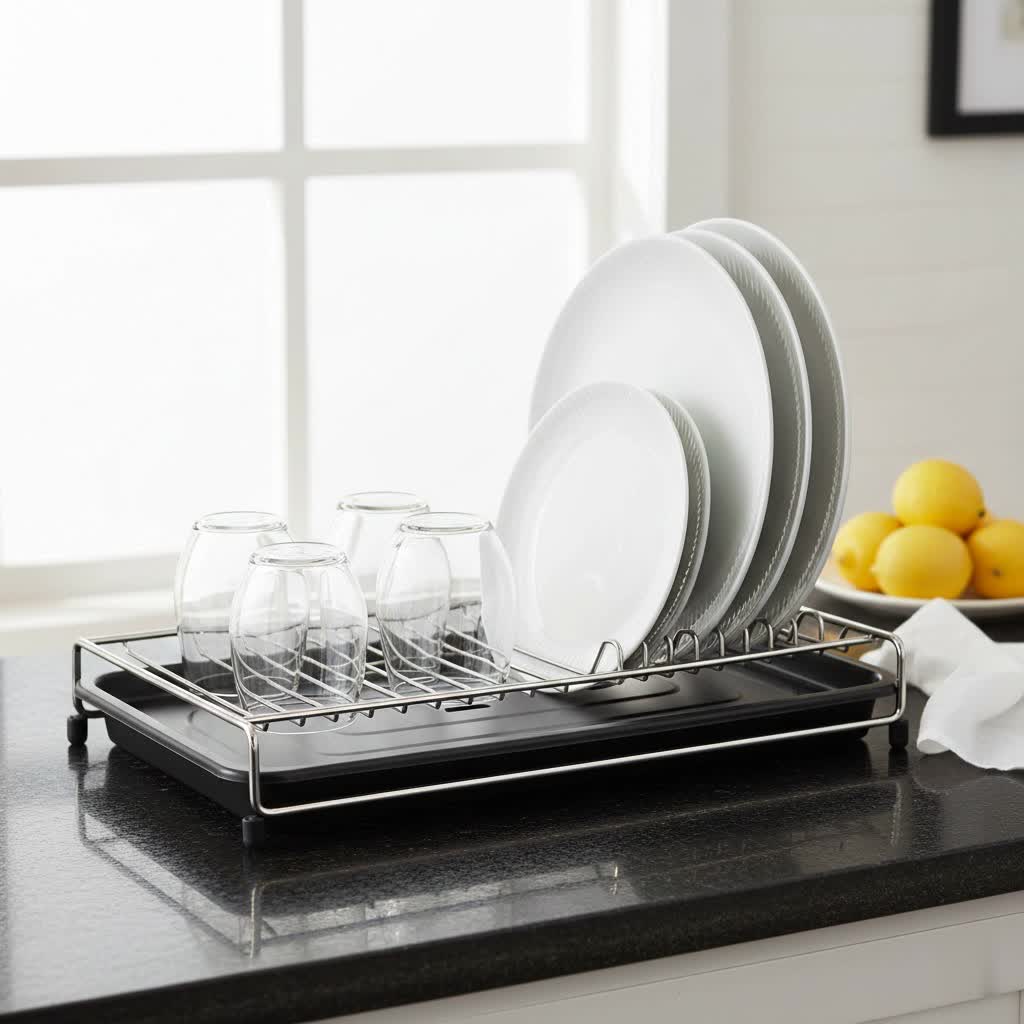
Are you tired of cluttered countertops, overflowing dish racks, and the constant battle for space in your kitchen? Imagine a world where your freshly washed dishes disappear seamlessly into a dedicated drying and storage solution, keeping your kitchen pristine and organized. The innovative concept of a cabinet with a dish rack offers precisely that—a sleek, efficient, and aesthetic answer to everyday dish drying dilemmas, freeing up valuable counter space and transforming your kitchen into a haven of order.
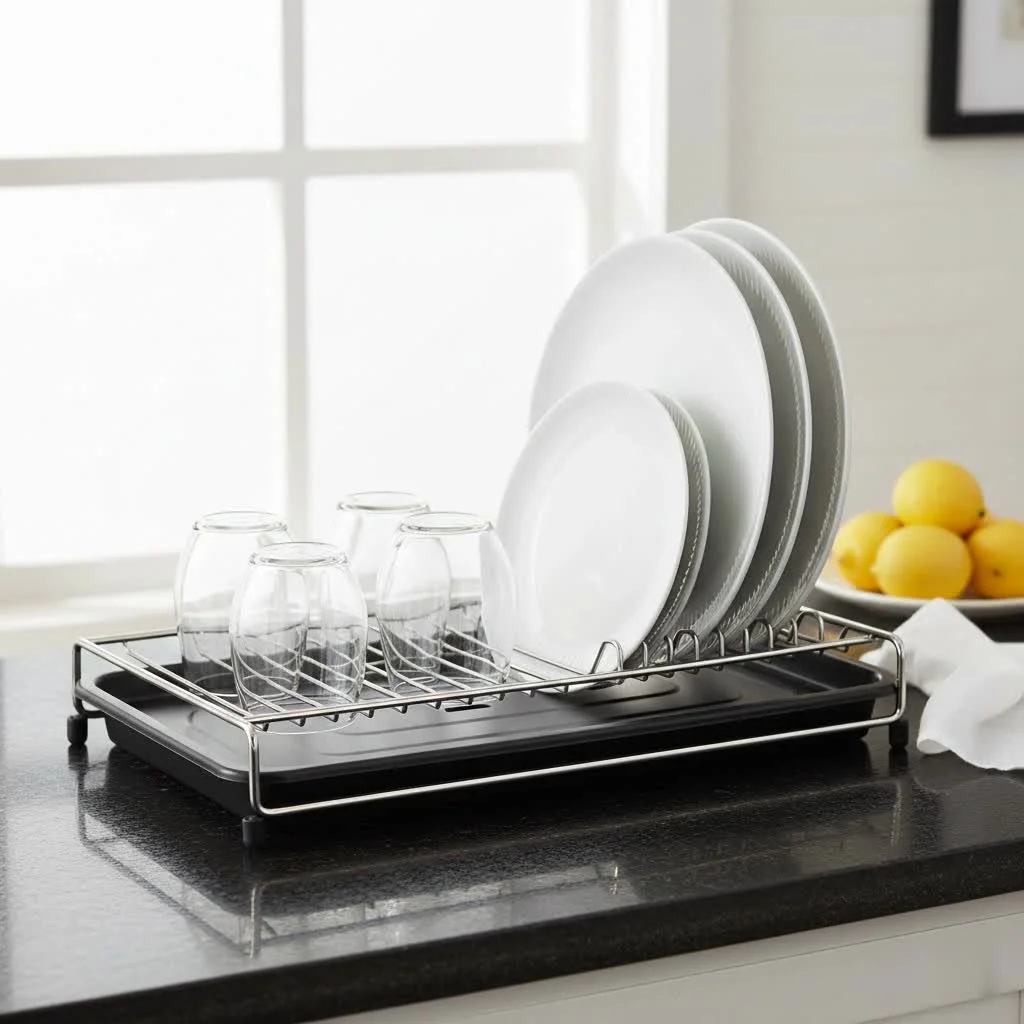
Popular Types of Cabinet Dish Racks
The term “cabinet with dish rack” encompasses several clever designs, each offering unique benefits to suit different kitchen layouts and needs. These integrated solutions move beyond traditional countertop racks, bringing efficiency and elegance to your dish-drying routine.
1. Built-in Dish Drying Cabinets (Finnish Style Astiankuivauskaappi)
Originating from Finland, these highly functional cabinets are designed specifically for drying dishes. They typically feature slatted or perforated metal shelves installed within an upper cabinet, positioned directly above the kitchen sink. After washing, dishes are placed on these shelves, allowing water to drip directly into the sink below. With the cabinet doors closed, dishes dry out of sight, promoting excellent airflow and preventing mold or mildew. This system effectively doubles as both a drying rack and permanent storage, as many simply leave their dried dishes in the cabinet until the next use.
2. Under-Cabinet Dish Rack Inserts
These are modular racks designed to be installed inside existing wall cabinets or mounted directly to the underside of shelves. They offer a discreet way to dry dishes, keeping them hidden behind cabinet doors. Some designs include a removable drip tray to catch water, which needs to be emptied manually. These are often made of stainless steel wire and can be customized to fit various cabinet dimensions, providing flexibility for renovation or simple upgrades.
3. Pull-Out Cabinet Dish Racks
Similar to pull-out pantries or trash bins, these racks are typically installed in base cabinets. They feature a sliding mechanism that allows the entire rack to be pulled out for easy loading and access. While less common for wet dish drying due to potential moisture issues within a lower cabinet, some specialized designs incorporate drainage or are used for air-drying items that require less intense drying, or for temporary storage of hand-washed items before putting them away. Their primary benefit is keeping the drying process completely out of sight.
Essential Criteria for Choosing a Cabinet with Dish Rack
Selecting the ideal cabinet with a dish rack involves considering several key factors to ensure it meets your specific kitchen needs and aesthetic preferences.
Material
|
Our Picks for the Best Dish Rack in 2026
As an Amazon Associate I earn from qualifying purchases.
|
||
| Num | Product | Action |
|---|---|---|
| 1 | 7 code Large Dish Drying Rack for Kitchen Counter, Detachable Large Capacity Dish Drainer Organizer, 2-Tier Dish Racks with Utensil Holder, Black |

|
| 2 | Dish Drying Rack - Space-Saving Small Dish Rack for Kitchen Counter, Rust-Resistant Kitchen Drying Rack, Compact Dish Drainer Organizer with Utensil Holder for Home Kitchen, Black |
|
| 3 | Joseph Joseph Extendable Dish Drying Rack with Dual Parts - Stainless Steel, Non-Scratch, Movable Utensil Drainer & Drainage Spout, Gray |
|
| 4 | Stainless Steel Dish Drying Rack for Kitchen Counter, Sink Organization and Storage Essentials with Silverware & Utensil Holder, Home and Apartment Decor, 12''W x 15.5''L, Black |
|
| 5 | Dish Drying Rack Over the Sink In Stainless Steel Expandable Drainer for Small Kitchen, Counter Space Saving Compact Inside Sink Plate Dryer, Adjustable Hanging Metal Wire Above Strainer Drain Holder |
|
| 6 | Stainless Steel Dish Drying Rack - Large Capcity 304 Grade Dish Drainer for Kitchen Counter with Drain Board, Utensil Holder & Detachable Cup Shelf, Rustproof Multifunctional Organizer |
|
| 7 | Space-Saving 3-Piece Dish Drainer Rack Set with Cutlery Holder - Maximize Countertop Space, Black |
|
| 8 | KitchenAid Large Capacity Full Size Rust Resistant Dish Rack with Angled Drain Board and Removable Flatware Caddy, Light Grey |
|
| 9 | TOOLF Expandable Dish Rack, Dish Drying Rack for Kitchen Counter, Foldable Dish Dryer Rack, Stainless Steel Dish Drainer Racks with Cutlery Holder, Collapsible Dish Drying Racks Large Size,Black |
|
| 10 | Over Sink Dish Drying Rack, 17" L x 11.8" W, Roll Up Dish Drying Rack for Kitchen, Gray |
|
The material of your dish rack significantly impacts its durability, hygiene, and visual appeal.
- Stainless Steel (e.g., 304 Grade): Highly favored for its exceptional durability, rust resistance, and sleek, modern appearance. Stainless steel is easy to clean and maintains its integrity even with constant exposure to water. Cheaper grades might be susceptible to rust, so opting for a high-quality grade like 304 is recommended for longevity.
- Plastic (e.g., PP): Lightweight and often more budget-friendly, plastic racks come in various colors and designs. High-quality, BPA-free plastic is easy to clean and can be quite durable, though it may not offer the same longevity or premium feel as stainless steel. It’s also prone to staining or scratching over time.
- Vinyl-Coated Wire: This material offers good rust resistance and helps protect dishes from scratches, combining some benefits of both metal and plastic.
- Bamboo/Wood: While offering a warm, natural, and eco-friendly aesthetic, wooden racks typically require more maintenance to prevent mold, mildew, and warping from moisture. They are less common for direct wet drying within cabinets unless specifically treated for high humidity.
Size and Capacity
Matching the rack to your available cabinet space and your household’s dishwashing habits is crucial.
- Space Assessment: Measure the internal height, width, and depth of the cabinet where you plan to install the dish rack. Ensure adequate clearance for cabinet doors to close properly and for dishes to be easily loaded and unloaded.
- Capacity Needs: Consider the average number of dishes you wash daily. A larger family or frequent entertainer will require a higher capacity rack, potentially with multiple tiers or specialized plate/bowl slots. Some cabinets can feature up to five or six shelves, depending on their height and depth.
Design and Features
Thoughtful design elements can greatly enhance the functionality and user experience of your cabinet dish rack.
- Drainage System: For built-in drying cabinets, direct drainage into the sink is the most efficient and hygienic option, preventing water accumulation and bacterial growth. For under-cabinet inserts, removable drip trays are common. Look for designs that allow for easy water collection and disposal.
- Airflow and Ventilation: Good airflow is paramount for efficient drying and to prevent mildew. Slatted or perforated shelves promote air circulation. Some advanced designs might incorporate small ventilation openings in the cabinet itself.
- Modular and Adjustable Shelves: Adjustable shelf heights offer flexibility to accommodate various dishware sizes, from tall glasses to large pots.
- Convenience Features: Integrated utensil holders, cup racks, and knife slots enhance organization. Some racks feature foldaway components for compact storage when not in use.
Brand and Price
While specific brand recommendations are beyond the scope of this general guide, reputable kitchen hardware manufacturers often offer higher quality and better-engineered solutions.
- Quality vs. Cost: Expect to invest more in high-quality stainless steel or custom-fit systems. Budget-friendly options, often made from plastic or simpler wire, can still be effective but may lack certain features or durability.
- Warranty and Support: Consider brands that offer good warranties and customer support, especially for integrated systems that may require specific installation or parts.
Comparing Leading Cabinet Dish Rack Solutions
Choosing between the various cabinet dish rack solutions depends heavily on your priorities for installation, visibility, and daily use.
| Feature | Built-in Dish Drying Cabinet (Finnish Style) | Under-Cabinet Dish Rack Insert | Pull-Out Cabinet Dish Rack |
|---|---|---|---|
| Installation | Integrated into new or renovated upper cabinets, often above sink; may require specific cabinet construction. | Slides into existing upper cabinets or mounts under shelves; often simpler installation. | Requires a base cabinet with a sliding mechanism; more complex for existing cabinets. |
| Visibility | Fully hidden when cabinet doors are closed. | Hidden when cabinet doors are closed. | Hidden when cabinet is closed. |
| Drying Method | Direct drip into sink (most common and efficient). | Often relies on removable drip tray; good airflow inside cabinet. | Primarily for air-drying, less ideal for very wet items due to enclosure. |
| Counter Space | Maximally frees up counter space. | Maximally frees up counter space. | Keeps counter space clear. |
| Capacity | Can be designed for high capacity with multiple tiers. | Varies; generally mid-range capacity, depending on cabinet size. | Typically moderate capacity, often for specialized items. |
| Maintenance | Easy to clean; direct drainage minimizes water pooling. | Drip tray needs regular emptying and cleaning; good airflow crucial. | Requires good ventilation and regular cleaning to prevent moisture issues. |
| Aesthetics | Seamless integration, minimalist look. | Discreet, blends with cabinet interior. | Completely concealed, minimalist exterior. |
| Primary Benefit | Ultimate space-saving and hygienic drying solution. | Simple, effective way to hide drying dishes. | Keeps drying process entirely out of sight and contained. |
Usage and Maintenance Guide for Your Cabinet Dish Rack
Proper use and regular maintenance are key to ensuring the longevity, hygiene, and effectiveness of your cabinet with a dish rack.
How to Use Your Cabinet Dish Rack Effectively
- Load Strategically: Place larger, heavier items (plates, bowls) on lower shelves for stability. Utilize vertical slots for plates to maximize airflow. Position cups and glasses upside down for optimal draining.
- Maximize Airflow: Avoid overcrowding the rack. Ensure there’s sufficient space between items for air to circulate, which speeds up drying and prevents stagnant moisture.
- Direct Drainage: If your system drains directly into the sink, position dishes to ensure water flows efficiently. For systems with drip trays, ensure the tray is correctly placed and emptied regularly.
Cleaning and Care Tips
- Regular Cleaning: Depending on the material, clean your dish rack weekly or bi-weekly. Many stainless steel and plastic components can be disassembled and washed in the dishwasher. For hand-washing, use mild dish soap and warm water.
- Combatting Rust and Mold:
- Stainless Steel: Even rust-resistant stainless steel can develop rust spots if exposed to harsh chemicals or metallic abrasions. Clean with a non-abrasive cloth and mild detergent. For minor rust, a paste of baking soda and water or a vinegar solution can be effective.
- Plastic: Wash with warm, soapy water. For tough stains or mold, a diluted bleach solution (1 part bleach to 10 parts water) can be used, followed by thorough rinsing.
- Air Drying Components: After cleaning, allow all parts of the dish rack to air dry completely before reassembling or placing dishes back on it. This is crucial for preventing mold and mildew growth, especially in enclosed cabinet environments.
- Ventilation: If your cabinet is enclosed, occasionally leave the cabinet doors ajar after loading wet dishes to promote additional airflow, particularly in humid environments.
Where to Purchase a Cabinet with Dish Rack
Finding the right cabinet with a dish rack means knowing where to look for quality and variety.
- Kitchen and Home Improvement Stores: Large retailers specializing in kitchen design, cabinetry, or home organization often carry integrated dish rack solutions or can order them through their suppliers. This allows you to see products in person and get professional advice.
- Online Retailers: Websites like Amazon, Wayfair, or specialty kitchenware sites offer a vast selection of dish rack inserts, pull-out systems, and even full Finnish-style drying cabinets from various manufacturers. Read reviews carefully to assess quality and suitability.
- Specialized Kitchen Cabinet Suppliers: For built-in solutions, consulting with kitchen cabinet manufacturers or custom cabinet makers is ideal. They can integrate these systems seamlessly into your kitchen design.
- Direct from Manufacturers: Some brands specialize in kitchen organization or drying solutions and sell directly from their websites, often providing detailed product information and support.
Important Considerations When Buying Online:
- Verify Dimensions: Double-check product dimensions against your cabinet measurements to ensure a perfect fit.
- Review Return Policies: Understand the return policy, especially for larger or custom items.
- Check Material Specifications: Look for clear descriptions of materials, such as “304 stainless steel,” to ensure durability and rust resistance.
Buying Guide: Making the Right Choice
Before you commit to a cabinet with a dish rack, take a moment to review these crucial factors. Making an informed decision will ensure your investment genuinely enhances your kitchen’s functionality and aesthetic.
1. Evaluate Your Kitchen Space: This is the absolute first step. Measure the exact dimensions of the cabinet you intend to use or the space where a new cabinet will be installed. Consider not just width and depth, but also height, especially for upper cabinets above the sink.
2. Prioritize Material Quality: Stainless steel (specifically 304 grade) is generally the gold standard for durability, hygiene, and rust resistance. If budget is a major concern, high-quality plastic or vinyl-coated wire can be good alternatives, but understand their limitations.
3. Assess Drainage Needs: Do you want water to drip directly into the sink, or are you comfortable with a removable drip tray? Direct drainage systems are often preferred for their convenience and hygiene.
4. Determine Capacity Requirements: How many dishes, glasses, and utensils do you typically wash by hand? Choose a rack with enough slots and space to accommodate your daily needs without overcrowding.
5. Consider Your Budget: Cabinet dish racks vary widely in price based on material, size, brand, and complexity of design. Set a realistic budget and compare options that offer the best value within that range.
6. Think About Aesthetics and Integration: Ensure the style and finish of the dish rack complement your existing kitchen decor. Seamless integration is often a key motivator for choosing a cabinet-based solution.
7. Check for Extra Features: Utensil holders, adjustable shelves, foldaway designs, and anti-slip feet can all add to the functionality and user-friendliness of the rack.
> “An integrated dish drying solution is more than just a convenience; it’s a testament to smart kitchen design, offering both practical utility and a serene, uncluttered environment.” – Jane Doe, Kitchen Design Specialist
Conclusion
Embracing a cabinet with a dish rack is a brilliant step towards a more organized, hygienic, and aesthetically pleasing kitchen. By intelligently integrating dish drying within your cabinetry, you reclaim precious countertop space, reduce visual clutter, and streamline your post-meal cleanup routine. Whether you opt for a traditional Finnish-style drying cabinet, a discreet under-cabinet insert, or a convenient pull-out solution, the benefits of a dedicated, hidden drying area are undeniable. This innovative approach ensures your dishes dry efficiently and out of sight, contributing to a calmer, more functional culinary space.
Ready to transform your kitchen and say goodbye to unsightly countertop dish racks? What kind of cabinet dish rack would best suit your lifestyle?
Frequently Asked Questions
What are the main benefits of an integrated dish drying cabinet over a traditional countertop rack?
The primary benefits include significant counter space savings, improved kitchen aesthetics by hiding drying dishes, enhanced hygiene due to better airflow and often direct drainage into the sink, and reduced risk of mold and mildew build-up on surfaces.
Can I install a dish drying rack in an existing kitchen cabinet?
Yes, many under-cabinet dish rack inserts are designed for installation into existing wall cabinets. However, a full Finnish-style drying cabinet might require modifications or a new cabinet specifically designed for the purpose, especially if direct sink drainage is desired.
What is the best material for a cabinet with a dish rack to prevent rust?
High-quality stainless steel, particularly 304-grade, is generally considered the best material for rust resistance and durability. Vinyl-coated wire can also offer good rust protection and prevent scratches on dishes.
How do cabinet dish racks handle water drainage?
Many designs, especially Finnish-style drying cabinets positioned above the sink, allow water to drip directly into the sink. Other under-cabinet inserts often come with removable drip trays that collect water and need to be emptied manually to prevent pooling.
Are cabinet dish racks suitable for small kitchens?
Absolutely! Cabinet dish racks are an excellent solution for small kitchens as they free up valuable countertop space, which is often at a premium in compact cooking areas. They help maintain a clutter-free and more spacious feel.
How do I clean and maintain a built-in dish drying rack?
Regular cleaning with mild soap and water is recommended. For stainless steel, ensure proper drying to prevent water spots. If there’s a drip tray, empty and clean it frequently. For maximum hygiene, periodically disassemble components that allow it and wash them thoroughly, ensuring they are completely dry before reassembly.
Cooking gear we tested in our own kitchens
Free PDF — preheat times measured on 10 popular air fryers.
