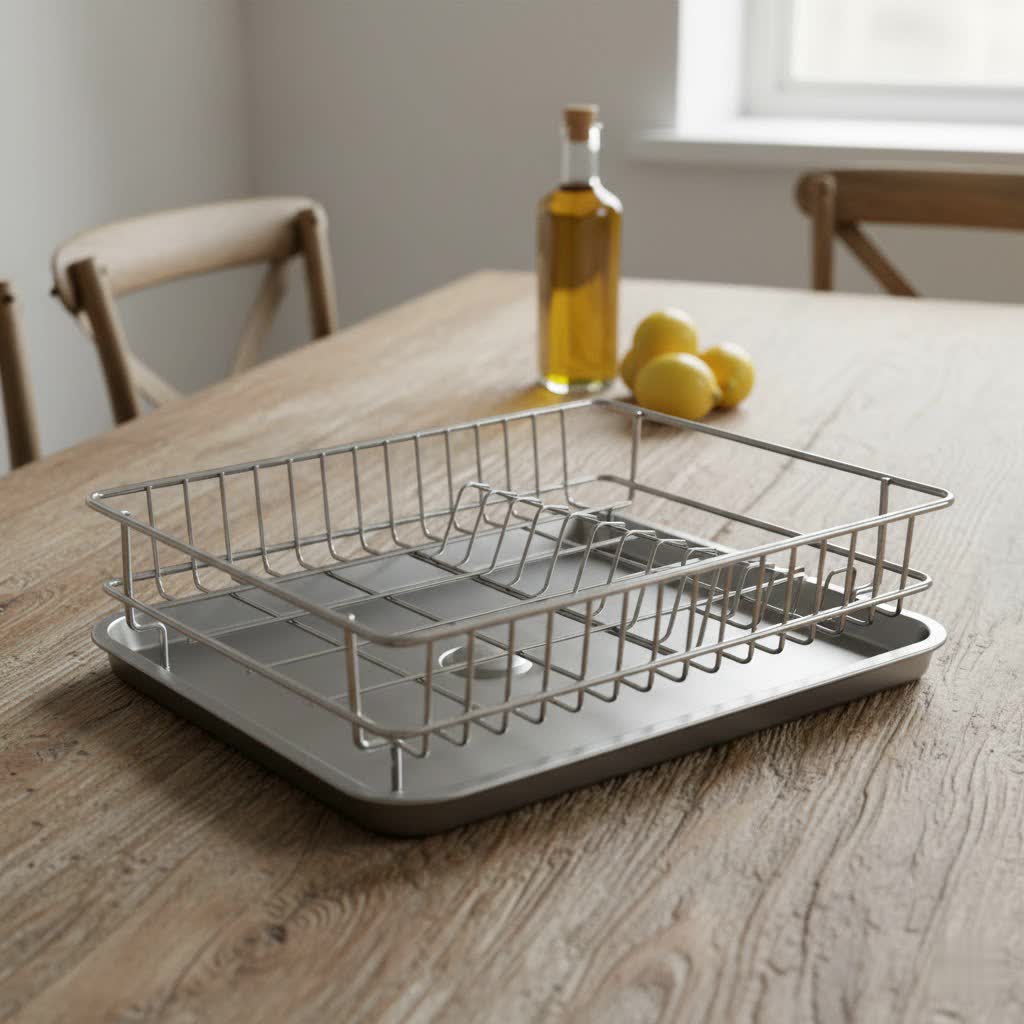
Tired of seeing a mountain of wet dishes piled precariously on your countertop after every meal? A cluttered kitchen sink area can quickly turn your culinary haven into a chaotic mess, making post-meal cleanup feel like an endless chore. Investing in the right kitchen dish rack isn’t just about drying dishes; it’s about reclaiming your counter space, enhancing hygiene, and bringing a sense of order and calm back to your kitchen. This comprehensive guide will walk you through the various types, essential selection criteria, top models, and crucial maintenance tips to help you choose the ideal dish rack that perfectly fits your needs and elevates your kitchen’s functionality and style.
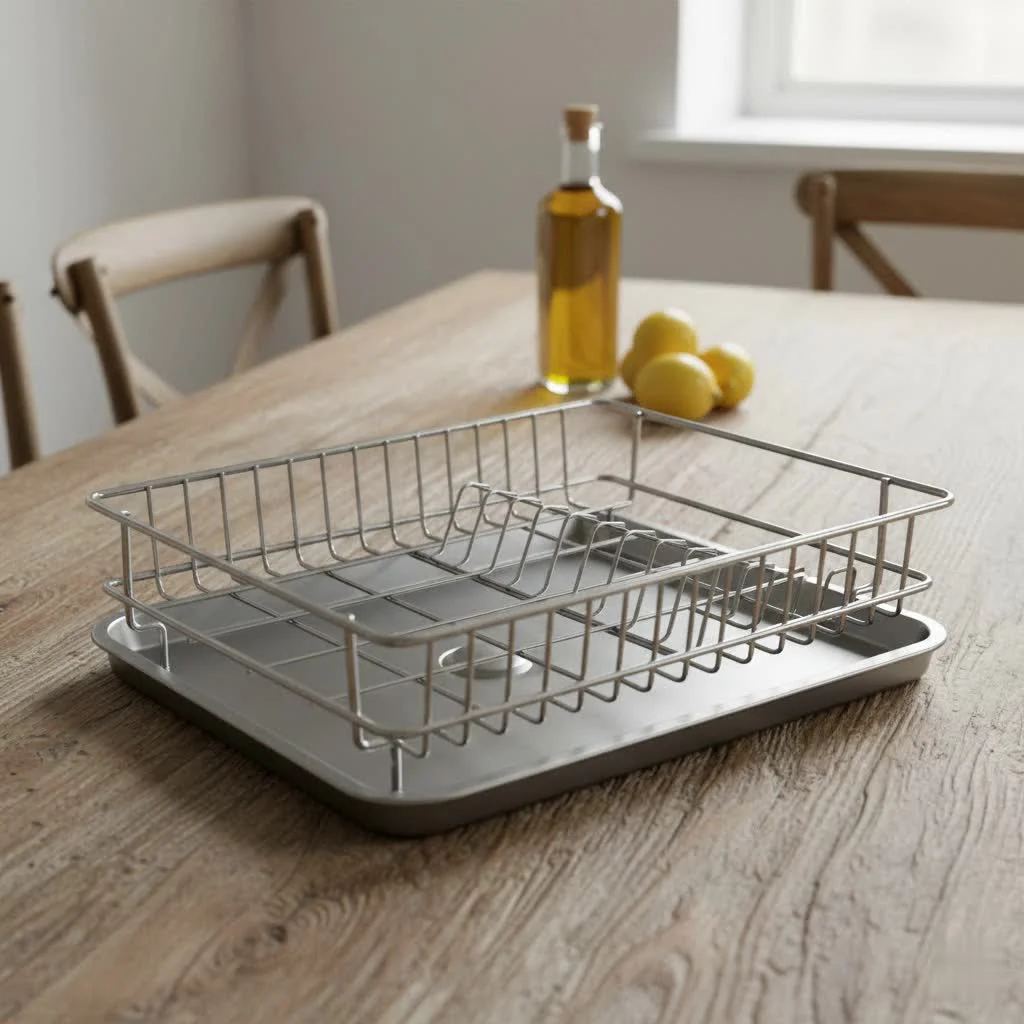
Common Types of Kitchen Dish Racks
Choosing the right dish rack often begins with understanding the variety of designs available, each catering to different kitchen layouts and drying habits. From space-saving solutions to high-capacity workhorses, there’s a dish rack type designed for almost every home. For kitchen organization buying guides on this site.
Countertop Dish Racks are the most traditional and widely recognized type, sitting directly beside your sink. They come in various sizes, from compact models for small households to expansive ones for large families, often featuring integrated drainboards to channel water directly into the sink. Their versatility makes them a popular choice, though they do occupy valuable counter real estate.
For those with limited counter space, Over-the-Sink Dish Racks are a clever solution. These racks extend across your sink basin, utilizing otherwise unused vertical space. Many are expandable, fitting different sink sizes, and some even offer multiple tiers for increased capacity without sacrificing more counter space.
Two-Tiered Dish Racks are designed to maximize drying capacity in a smaller footprint. By stacking drying levels, they can hold a significant number of plates, bowls, and glasses, making them excellent for larger families or kitchens where vertical space is more abundant than horizontal. They often include separate compartments for cutlery and cup holders on the sides.
If your kitchen is on the smaller side or you prefer a minimalist look, Collapsible or Fold-Flat Dish Racks are incredibly practical. These models can be easily folded down and stored away in a cabinet or drawer when not in use, offering flexibility and keeping your counters clear when air drying isn’t needed. Materials often include aluminum or silicone for easy manipulation.
In-Sink Dish Racks are designed to fit directly inside your sink basin, offering the most discreet drying solution. They keep drips contained within the sink, maintaining a tidy appearance, but they do occupy one side of your sink, potentially limiting space for other washing tasks. They are best suited for smaller loads or as a secondary drying area.
For ultimate simplicity and flexibility, Dish Drying Mats provide an absorbent surface for dishes to air dry. Made from microfiber or silicone, they are easy to clean, can be rolled up for storage, and are ideal for occasional use or for protecting delicate items. However, they don’t offer vertical organization like racks.
Wall-Mounted Dish Racks free up valuable counter space by utilizing vertical wall space above the sink or an empty wall. These permanent fixtures are excellent for maximizing functionality in compact kitchens, often providing sturdy storage for both drying and organizing dishes.
Lastly, Pull-Out Dish Racks are integrated directly into kitchen cabinetry, offering a seamless and hidden drying solution. These are typically part of a custom kitchen design, providing an elegant way to store and dry dishes out of sight.
Essential Criteria for Choosing Your Kitchen Dish Rack
Selecting the perfect kitchen dish rack goes beyond aesthetics; it requires a thoughtful evaluation of several key factors to ensure it meets your practical needs and complements your kitchen environment.
Material Matters: Durability and Hygiene
|
Our Picks for the Best Dish Rack in 2026
As an Amazon Associate I earn from qualifying purchases.
|
||
| Num | Product | Action |
|---|---|---|
| 1 | KitchenAid Large Capacity Full Size Rust Resistant Dish Rack with Angled Drain Board and Removable Flatware Caddy, Light Grey |

|
| 2 | Stainless Steel Dish Drying Rack - Large Capcity 304 Grade Dish Drainer for Kitchen Counter with Drain Board, Utensil Holder & Detachable Cup Shelf, Rustproof Multifunctional Organizer |
|
| 3 | Over Sink Dish Drying Rack, 17" L x 11.8" W, Roll Up Dish Drying Rack for Kitchen, Gray |
|
| 4 | TOOLF Expandable Dish Rack, Dish Drying Rack for Kitchen Counter, Foldable Dish Dryer Rack, Stainless Steel Dish Drainer Racks with Cutlery Holder, Collapsible Dish Drying Racks Large Size,Black |
|
| 5 | Joseph Joseph Extendable Dish Drying Rack with Dual Parts - Stainless Steel, Non-Scratch, Movable Utensil Drainer & Drainage Spout, Gray |
|
| 6 | Dish Drying Rack Over the Sink In Stainless Steel Expandable Drainer for Small Kitchen, Counter Space Saving Compact Inside Sink Plate Dryer, Adjustable Hanging Metal Wire Above Strainer Drain Holder |
|
| 7 | Space-Saving 3-Piece Dish Drainer Rack Set with Cutlery Holder - Maximize Countertop Space, Black |
|
| 8 | Stainless Steel Dish Drying Rack for Kitchen Counter, Sink Organization and Storage Essentials with Silverware & Utensil Holder, Home and Apartment Decor, 12''W x 15.5''L, Black |
|
| 9 | 7 code Large Dish Drying Rack for Kitchen Counter, Detachable Large Capacity Dish Drainer Organizer, 2-Tier Dish Racks with Utensil Holder, Black |
|
| 10 | Dish Drying Rack - Space-Saving Small Dish Rack for Kitchen Counter, Rust-Resistant Kitchen Drying Rack, Compact Dish Drainer Organizer with Utensil Holder for Home Kitchen, Black |
|
The material of your dish rack significantly impacts its durability, rust resistance, and ease of cleaning. Prioritizing robust and hygienic materials ensures your investment lasts and keeps your kitchen sanitary.
Stainless steel, particularly grade 304, is a top choice for its exceptional robustness, sleek appearance, and superior resistance to rust and corrosion, making it ideal for the humid kitchen environment. Its non-porous surface also effectively prevents bacterial growth, promoting a hygienic drying space. However, lower-grade stainless steel can be susceptible to rust if its finish is chipped or water is allowed to sit for extended periods.
Aluminum dish racks offer a lightweight yet sturdy alternative. Naturally rust-resistant, aluminum is easy to handle and often comes in a variety of modern designs and colors. While generally durable, some aluminum finishes may show water spots more readily than stainless steel.
Plastic dish racks, often made from polypropylene (PP), are a budget-friendly and lightweight option available in numerous colors. They are easy to clean, but their main drawback is a lesser durability compared to metal, making them less suitable for heavy pots and pans which could cause them to deform or break over time.
For an eco-friendly touch, bamboo or wood dish racks offer a classic, natural aesthetic. While appealing, they require more diligent maintenance to prevent mold and mildew growth and may not be as durable in consistently wet conditions as metal options. They typically need a separate mat underneath for drainage.
Vinyl-coated wire racks combine the strength of a metal core with a protective coating. This coating helps prevent rust and protects your dishes from scratches, offering a good balance of durability and gentleness. Silicone is also increasingly popular, often used for flexible prongs or drain mats, valued for its heat resistance, non-slip properties, and ease of cleaning.
Size and Capacity: Fit for Your Family and Space
The optimal size and capacity of your dish rack are dictated by your available kitchen space and the volume of dishes you typically wash. A well-chosen rack seamlessly integrates into your kitchen workflow, rather than overwhelming it.
Begin by measuring your available countertop space next to your sink, or consider the dimensions of your sink basin for in-sink or over-the-sink models. For wall-mounted or pull-out options, cabinet dimensions and wall space are crucial. A compact kitchen will benefit from fold-flat, over-the-sink, or in-sink designs, while a spacious kitchen can accommodate a full-size or two-tiered rack.
Next, assess your family size and typical dishware volume. Do you live alone and wash a few items daily, or do you have a large family that requires drying pots, pans, and dinnerware for a full meal? Single-tier compact racks might suffice for individuals or couples, while multi-tiered or large-capacity models are better for bigger households or those who frequently entertain. Consider if you need dedicated spaces for plates, bowls, glassware, and especially bulky cookware.
Smart Design and Convenient Features
Modern dish racks come with a host of intelligent design elements and features that can significantly streamline your dish-drying process and maintain kitchen hygiene.
An efficient drainage system is paramount to prevent water pooling on your countertop, which can lead to bacteria growth and water damage. Look for models with built-in drainboards that are sloped to direct water into the sink. Many contemporary designs feature swivel spouts that can be positioned to drain from any side, offering greater flexibility. Removable drain trays are also beneficial for easy cleaning.
Thoughtful organization features, such as integrated utensil holders for forks, knives, and spoons, and cup racks or hooks for drying glasses, keep smaller items contained and promote better airflow. Some racks even offer dedicated slots for cutting boards or knife blocks.
Stability and sturdiness are crucial, especially if you plan to dry heavier items like cast iron pans or multiple large plates. Look for models with strong frames, non-slip feet, and robust construction to prevent wobbling or tipping when fully loaded. Removable components are a boon for cleaning, allowing you to thoroughly wash all parts and prevent grime buildup in crevices. Finally, consider the aesthetics; a dish rack that complements your kitchen’s style can enhance the overall look of your space, not just its functionality.
Brand Reputation and Price Considerations
When investing in a kitchen dish rack, considering reputable brands and understanding price variations can help you make a confident and value-driven decision. The market offers a wide spectrum of options, from economical to premium.
Several brands consistently receive high marks for their quality, durability, and innovative designs. KitchenAid and simplehuman are frequently cited for their robust construction, large capacities, and effective drainage systems. Yamazaki Home is praised for its sleek, minimalist designs, often featuring two-tiered options that maximize vertical space. For compact or collapsible solutions, OXO Good Grips offers practical and sturdy choices, while Rubbermaid provides reliable, budget-friendly options. Newer brands like Kitsure and Premium Racks are also gaining recognition for their stainless steel durability and thoughtful features.
The price of a kitchen dish rack can range widely, typically from around $20 for basic plastic models to over $100 for high-end stainless steel or multi-functional designs. Budget-friendly options often use plastic or chrome-plated steel, which may have a shorter lifespan or require more careful maintenance to prevent rust. Mid-range racks (around $40-$70) usually offer a good balance of durable materials like aluminum or coated steel, along with effective drainage and organization features. Premium racks, often made from high-grade stainless steel with advanced drainage and modular components, represent a significant investment but promise superior durability and design.
When assessing price, consider the value for money. A slightly more expensive dish rack made from high-quality, rust-resistant materials with efficient drainage might be a better long-term investment, saving you from frequent replacements and potential countertop damage. Read reviews to gauge user satisfaction with a brand’s product quality and longevity.
Comparing Top Kitchen Dish Rack Models
To help you navigate the choices, here’s a comparison of some highly-rated kitchen dish rack models, highlighting their key features, materials, and suitability for various needs.
| Brand/Model | Material | Type | Key Features | Capacity | Price Range (Approx.) | Pros | Cons |
|---|---|---|---|---|---|---|---|
| simplehuman Steel Frame | Stainless Steel, Plastic | Countertop | Swivel spout, silicone-tipped prongs, wine glass holder, utensil holder | Large | $70 – $100 | Excellent drainage, very stable, durable, sleek | Higher price point |
| KitchenAid Full-Size | Stainless Steel, Plastic | Countertop | Large capacity, removable drainboard, deep utensil caddy | Large | $60 – $80 | Sturdy, holds many dishes, easy to clean | Can take up significant counter space |
| Yamazaki Home Tosca | Steel, Wood, Plastic | Countertop | Minimalist design, removable tray, silverware holder, aesthetic appeal | Medium-Large | $80 – $120 | Stylish, good for modern kitchens, functional | Premium price, wood accents require care |
| OXO Good Grips Fold Flat | Aluminum, Plastic | Collapsible | Folds flat for storage, rust-proof aluminum, dedicated plate slots | Medium | $40 – $60 | Space-saving, sturdy for its type, good drainage | May not fit stemmed glassware well |
| Kitsure Stainless Steel | Stainless Steel | Countertop/2-Tier | Rust-resistant, automatic drainage spout, cutlery holder, compact footprint | Medium | $30 – $50 | Affordable stainless steel, efficient drainage | Smaller capacity than full-size models |
Choosing among these depends heavily on your specific needs: if space is a primary concern, the OXO Fold Flat or a Kitsure two-tier might be ideal. For those needing maximum capacity and premium features, the simplehuman or KitchenAid models stand out. The Yamazaki Home Tosca is perfect for those who prioritize design and style alongside functionality.
How to Use and Maintain Your Kitchen Dish Rack
Proper use and regular maintenance are crucial for extending the lifespan of your kitchen dish rack, ensuring it remains hygienic, and keeping your kitchen sparkling.
Most dish racks, especially those with multiple components or tiers, may require some basic assembly. Always follow the manufacturer’s instructions to ensure stability and correct setup. Once assembled, optimal placement is key. Position your dish rack directly next to or over your sink, ensuring that any integrated drainboard or swivel spout effectively directs water into the sink. Proper air circulation around the rack and dishes is vital for efficient drying and preventing mildew growth.
Regular cleaning is essential to prevent the buildup of hard water stains, food residue, mold, and bacteria. For most metal and plastic racks, it’s best to clean them at least once a week. If possible, disassemble the rack to clean all components thoroughly. Wash all parts with warm, soapy water using a brush or sponge, paying extra attention to crevices and drainage holes. For stubborn stains or mineral deposits, a solution of equal parts white vinegar and water can be very effective. Spray the solution, let it sit for 10-15 minutes, then scrub and rinse thoroughly.
To prevent rust and mold, always ensure your dish rack is completely dry after cleaning, or allow it to air dry in a well-ventilated area. Avoid letting stagnant water sit in drain trays for long periods. If your stainless steel rack starts to show signs of rust, a paste made from baking soda and water, or a specialized stainless steel cleaner, can often remove it. For bamboo or wooden racks, ensure they are dried immediately after use and periodically treated with food-safe mineral oil to protect the wood from moisture. Avoid harsh abrasive cleaners on any material, as they can damage finishes and lead to premature wear.
Where to Buy Your Ideal Kitchen Dish Rack
Finding the perfect kitchen dish rack is easier than ever, with numerous reputable options both in physical stores and online. Knowing where to look can ensure you get a quality product that fits your needs.
For those who prefer to see and feel products before purchasing, physical retailers offer a hands-on shopping experience. You can find a wide selection of dish racks at major department stores like Macy’s or Kohl’s, home goods stores such as Bed Bath & Beyond, or even large supermarkets with dedicated home sections. Specialty kitchenware stores might also carry higher-end or unique designs. Shopping in-store allows you to assess the size, stability, and aesthetics firsthand, making it easier to visualize how it will fit into your kitchen.
Online marketplaces provide an unparalleled selection, often with competitive pricing and detailed customer reviews. Websites like Amazon, Wayfair, Target, and the official websites of brands like simplehuman or OXO are excellent places to start. Online shopping allows you to compare numerous models, materials, and features from the comfort of your home.
When buying online, it’s important to keep a few tips in mind to ensure a satisfactory purchase:
- Read customer reviews carefully to gauge real-world performance, durability, and any common issues.
- Check the return policy of the retailer before purchasing, especially for larger items.
- Verify seller authenticity on marketplaces to avoid counterfeit or low-quality products.
- Pay attention to product dimensions and compare them against your kitchen space to avoid sizing mistakes.
- Look for clear product images that show various angles and features, including the drainage system and any accessories.
Kitchen Dish Rack Buying Guide: Your Checklist Before Purchase
Before making your final decision, take a moment to consider these crucial factors. A quick checklist can help ensure your new kitchen dish rack is truly the perfect fit for your home.
- Assess Your Space:
- What are the exact dimensions of the available counter space next to your sink?
- Do you have enough vertical clearance for a two-tiered or wall-mounted rack?
- Is an over-the-sink or collapsible model better for your small kitchen?
- Determine Your Capacity Needs:
- How many people are in your household?
- Do you regularly wash large pots, pans, or unique glassware?
- Do you need dedicated holders for utensils, cups, or cutting boards?
- Choose the Right Material:
- Do you prioritize rust resistance and durability (stainless steel, aluminum)?
- Is budget a primary concern (plastic)?
- Are aesthetics and eco-friendliness important (bamboo, wood)?
- Consider hygiene and ease of cleaning for your chosen material.
- Evaluate Drainage Efficiency:
- Does it have an integrated drainboard with a sloped design?
- Is there a swivel spout to direct water into the sink?
- Are the drain tray and other components easy to remove and clean?
- Look for Smart Features:
- Does it offer good stability, even when fully loaded?
- Are there non-slip feet to protect your countertop?
- Does it have features like wine glass holders, cutlery caddies, or adjustable sections?
- Consider Your Budget:
- What is your comfortable price range?
- Are you willing to invest more for long-term durability and premium features?
- Compare prices and features across different brands.
- Review Brand Reputation:
- Have you checked reviews for durability and customer satisfaction for your preferred brands?
> “The ideal dish rack is an invisible hero in the kitchen. It blends seamlessly, works tirelessly, and demands minimal attention while keeping things tidy. It’s not just a drying tool; it’s a foundation for kitchen harmony.” – Jane Smith, Kitchen Organization Specialist at Home & Hearth Solutions
Conclusion
Choosing the right kitchen dish rack is a small decision that can have a surprisingly large impact on the efficiency and aesthetic appeal of your cooking space. By carefully considering the various types, materials, essential features, and your unique household needs, you can find a durable and functional solution that transforms your post-meal cleanup. An efficient dish rack not only helps your dishes dry faster and more hygienically but also frees up valuable counter space, contributing to a more organized and pleasant kitchen environment.
Ready to transform your dish-drying routine and bring order to your kitchen? With the insights from this guide, you’re well-equipped to make an informed choice that will serve you for years to come. Which feature of a kitchen dish rack is most essential for your daily life?
Frequently Asked Questions
What is the best material for a rust-proof dish rack?
For superior rust resistance, stainless steel (especially grade 304) and aluminum are excellent choices. Stainless steel offers robustness and a sleek look, while aluminum is lightweight and naturally resistant to corrosion. Vinyl-coated wire is another good option that combines metal strength with a protective, rust-resistant coating, also preventing dish scratches.
How do I choose a dish rack for a small kitchen?
For small kitchens, consider space-saving options like collapsible or fold-flat dish racks that can be stored away, over-the-sink models that utilize vertical space, or compact in-sink racks. Look for designs that prioritize vertical organization, such as two-tiered racks, to maximize capacity without consuming much counter area.
How often should I clean my dish rack?
It’s recommended to clean your dish rack at least once a week to prevent the buildup of hard water stains, food residue, mold, and bacteria. If you live in a humid climate or frequently wash dishes, a quick rinse or wipe-down every few days, followed by a thorough cleaning weekly, will maintain optimal hygiene.
Can I put my dish rack in the dishwasher?
Whether a dish rack is dishwasher-safe depends on its material. Most plastic components or small silicone mats can typically go in the dishwasher. However, metal frames (stainless steel, aluminum, or chrome-plated) are generally not recommended for dishwashers, as harsh detergents and high heat can damage their finish, potentially leading to rust or discoloration. Always check the manufacturer’s care instructions.
What features should I look for to ensure efficient drainage?
To ensure efficient drainage, prioritize dish racks with a sloped drainboard that guides water directly into the sink, preventing pooling. A swivel spout is a highly beneficial feature, allowing you to position the drain to suit your sink configuration. Removable drain trays are also excellent for easy cleaning, ensuring no stagnant water remains underneath the rack.
Cooking gear we tested in our own kitchens
Free PDF — preheat times measured on 10 popular air fryers.
