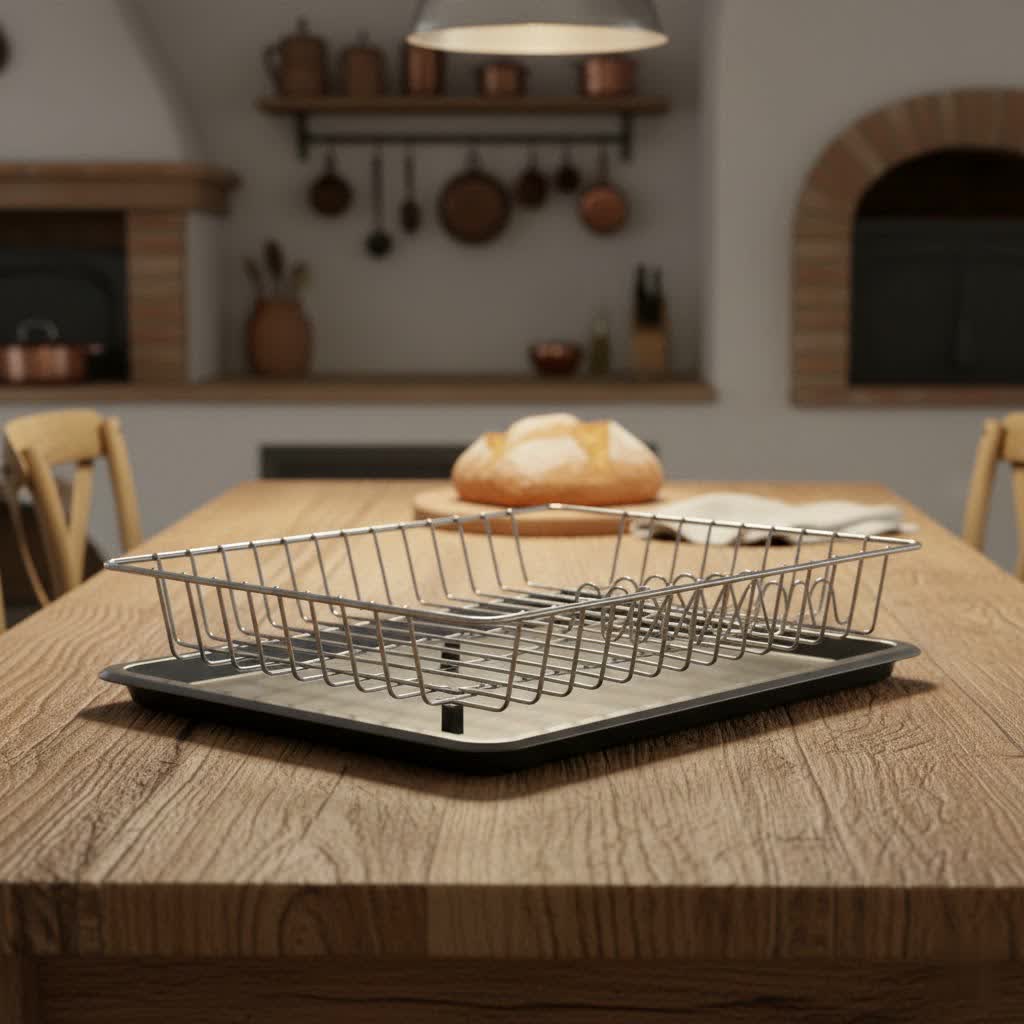
Is your countertop a chaotic battleground of perpetually wet dishes? Are you constantly battling clutter and water stains after every meal? A well-chosen wire dish rack isn’t just a kitchen accessory; it’s a strategic tool designed to transform your dish-drying routine, offering efficiency, hygiene, and a touch of organization to your culinary space. This comprehensive guide will navigate you through the world of wire dish racks, ensuring you select the perfect model that aligns with your household’s needs and complements your kitchen’s aesthetic.
From compact solutions ideal for cozy apartments to robust, multi-tiered designs for bustling family kitchens, understanding the nuances of materials, features, and types is key. We’ll delve into everything from rust-resistant stainless steel to space-saving innovations, helping you make an informed decision that elevates your kitchen experience. Say goodbye to soggy countertops and hello to a more organized, sparkling clean kitchen with the right wire dish rack.
Popular Types of Wire Dish Racks
The market offers a diverse array of wire dish racks, each designed to address specific kitchen layouts and drying habits. Understanding the different types is the first step in finding your ideal match.
Countertop Dish Racks: These are the most common type, sitting directly on your kitchen counter. They vary widely in size and capacity, from compact models for single households to large racks accommodating family-sized loads of dishes, pots, and pans.
- Pros: Easy to access, wide variety of designs and capacities, often portable.
- Cons: Occupy valuable counter space, may require a separate drainboard to prevent water pooling.
Over-the-Sink Dish Racks: Designed to perch directly over your sink, these ingenious racks maximize space and allow water to drain directly into the basin. Some models are rollable and can be easily stored when not in use.
- Pros: Excellent for small kitchens, saves counter space, direct drainage, versatile (some double as colanders).
- Cons: Can obstruct sink access while in use, capacity may be limited depending on sink size.
Multi-tiered Dish Racks: These racks utilize vertical space, featuring two or more levels for drying dishes. A common design is the two-tier wire dish rack, perfect for households that need to dry a larger volume of items without spreading them across the entire counter.
- Pros: Maximizes drying capacity in a small footprint, separates different dish types (e.g., plates on top, bowls/cups below).
- Cons: Can be taller, potentially blocking overhead cabinets; might feel bulky in very small kitchens.
Foldable and Collapsible Dish Racks: Ideal for kitchens with limited space, these racks can be folded flat or collapsed when not needed, making storage a breeze. They are often made with flexible materials like silicone alongside wire components.
- Pros: Superb for space-saving, easy to store away, maintains a clutter-free kitchen.
- Cons: May have slightly reduced capacity or stability compared to rigid models.
Wall-Mounted or Hanging Dish Racks: These racks attach to a wall or hang from a rail, completely freeing up counter space. They offer a permanent, out-of-the-way drying solution, often contributing to a minimalist kitchen aesthetic.
- Pros: Frees up all counter space, modern and sleek look, dedicated drying zone.
- Cons: Requires installation, less flexible in placement once mounted, might not suit all renters.
Essential Criteria for Choosing a Wire Dish Rack
Selecting the right wire dish rack goes beyond just its type. Several factors influence its performance, durability, and suitability for your home.
Material
|
Our Picks for the Best Dish Rack in 2026
As an Amazon Associate I earn from qualifying purchases.
|
||
| Num | Product | Action |
|---|---|---|
| 1 | Over Sink Dish Drying Rack, 17" L x 11.8" W, Roll Up Dish Drying Rack for Kitchen, Gray |

|
| 2 | TOOLF Expandable Dish Rack, Dish Drying Rack for Kitchen Counter, Foldable Dish Dryer Rack, Stainless Steel Dish Drainer Racks with Cutlery Holder, Collapsible Dish Drying Racks Large Size,Black |
|
| 3 | Stainless Steel Dish Drying Rack for Kitchen Counter, Sink Organization and Storage Essentials with Silverware & Utensil Holder, Home and Apartment Decor, 12''W x 15.5''L, Black |
|
| 4 | Dish Drying Rack Over the Sink In Stainless Steel Expandable Drainer for Small Kitchen, Counter Space Saving Compact Inside Sink Plate Dryer, Adjustable Hanging Metal Wire Above Strainer Drain Holder |
|
| 5 | Dish Drying Rack - Space-Saving Small Dish Rack for Kitchen Counter, Rust-Resistant Kitchen Drying Rack, Compact Dish Drainer Organizer with Utensil Holder for Home Kitchen, Black |
|
| 6 | Joseph Joseph Extendable Dish Drying Rack with Dual Parts - Stainless Steel, Non-Scratch, Movable Utensil Drainer & Drainage Spout, Gray |
|
| 7 | Stainless Steel Dish Drying Rack - Large Capcity 304 Grade Dish Drainer for Kitchen Counter with Drain Board, Utensil Holder & Detachable Cup Shelf, Rustproof Multifunctional Organizer |
|
| 8 | 7 code Large Dish Drying Rack for Kitchen Counter, Detachable Large Capacity Dish Drainer Organizer, 2-Tier Dish Racks with Utensil Holder, Black |
|
| 9 | KitchenAid Large Capacity Full Size Rust Resistant Dish Rack with Angled Drain Board and Removable Flatware Caddy, Light Grey |
|
| 10 | Space-Saving 3-Piece Dish Drainer Rack Set with Cutlery Holder - Maximize Countertop Space, Black |
|
The material of your wire dish rack dictates its longevity, rust resistance, and even its impact on your delicate dishware.
- Coated Steel Wire: Often steel wire coated in plastic, vinyl, or epoxy.
- Pros: Generally softer on dishes, available in various colors, often more affordable.
- Cons: The coating can chip, peel, or crack over time, exposing the underlying metal to water and leading to rust. Once rust sets in, it’s hard to stop. These require more upkeep in periodic cleaning.
- Stainless Steel: A premium choice, often 304-grade stainless steel for superior rust protection.
- Pros: Highly durable, excellent rust resistance, sleek modern aesthetic, non-porous surface prevents bacterial growth, lasts longer. Stainless steel accounts for over 40% of dish rack sales due to its exceptional durability and appearance.
- Cons: Can be more expensive initially, potentially harder on delicate dishes if not designed with protective elements like silicone feet or coated wires.
- Aluminum: Favored for its lightweight and resilient nature.
- Pros: Naturally resistant to rust and corrosion, lightweight, easy to move or store, often available in vibrant colors. Accounts for approximately 30% of dish rack sales.
- Cons: May not have the same aesthetic appeal or perceived sturdiness as stainless steel.
- Plastic: Often used for more budget-friendly options, sometimes in conjunction with wire.
- Pros: Lightweight, easy to clean, highly affordable, won’t scratch surfaces.
- Cons: Less durable than metal options, prone to chips, cracks, or warping with prolonged heat exposure. Some plastics can retain odors or stains.
- Silicone: Increasingly popular for its flexibility and heat resistance. Often found in roll-up mats or as protective coatings on wire.
- Pros: Flexible, resistant to stains and odors, withstands high temperatures, lightweight.
- Cons: Not typically used for the entire frame of traditional wire racks.
- Galvanized Steel: Offers a timeless, industrial feel and is built to resist rust.
- Pros: Durable, rust-resistant, distinctive aesthetic.
- Cons: Can be heavy, may not suit all kitchen styles.
Size and Capacity
Consider your available kitchen space and how many dishes you typically wash by hand.
- Kitchen Space: Measure your counter, sink, or wall area where the rack will reside. For smaller kitchens, compact, over-the-sink, or foldable models are excellent choices.
- Family Size and Dish Load: A single person or couple might only need a compact rack, while a large family or someone who frequently entertains will benefit from a full-size or multi-tiered option. Ensure the rack has enough slots for plates, bowls, and adequate space for cups, mugs, and cookware.
Design and Features
Thoughtful design and useful features can significantly enhance the functionality of your wire dish rack.
- Efficient Drainage: A crucial feature is a drainboard or tray that collects dripping water and directs it back into the sink. Look for swivel spouts that can be adjusted to any side of the rack and angled trays to prevent stagnant water, which can lead to mold and mildew.
- Utensil Holders: Integrated or removable compartments for silverware, knives, and other utensils are essential for organized drying.
- Stability: A stable rack prevents dishes from falling. Look for solid steel side walls, rubber feet, or suction cups that keep the rack securely in place, even when fully loaded.
- Airflow: The wire design should allow maximum air circulation around dishes to speed up drying and prevent water spots.
- Accessibility: Consider how easy it is to place and retrieve dishes, especially for multi-tiered models.
- Aesthetics: While functionality is key, the rack should also complement your kitchen décor. Stainless steel offers a modern look, while coated wire racks come in various colors to match your style.
Brand and Price
While brand loyalty isn’t always necessary, reputable manufacturers often offer better quality and customer support.
- Trusted Brands: Brands like KitchenAid, simplehuman, and OXO are frequently cited for their durable and well-designed dish racks. Investing in a known brand can often ensure better materials and construction.
- Price vs. Quality: More affordable racks, particularly those made primarily of plastic or thinly coated wire, may not last as long or offer the same rust resistance as higher-priced stainless steel or aluminum models. Balance your budget with the desire for durability and features.
Comparing Popular Wire Dish Rack Characteristics
| Feature / Type | Coated Wire Rack | Stainless Steel Wire Rack | Over-the-Sink Wire Rack | Multi-Tier Wire Rack | Foldable/Collapsible Rack |
|---|---|---|---|---|---|
| Material | Steel wire with plastic/vinyl coating | 304-grade Stainless Steel | Stainless Steel/Coated Wire | Stainless Steel/Coated Wire | Stainless Steel/Silicone |
| Pros | Affordable, gentler on dishes, varied colors | Highly durable, excellent rust resistance, hygienic, sleek | Space-saving, direct sink drainage, versatile | High capacity in small footprint, organized drying | Excellent for small kitchens, easy storage |
| Cons | Coating can chip/rust, less durable | More expensive, potentially harder on delicate items | Obstructs sink access, capacity can be limited | Taller profile, can feel bulky | May have slightly less capacity or stability |
| Best For | Budget-conscious, occasional use | Long-term investment, modern kitchens | Small kitchens, minimal counter space | Large families, high volume of dishes | Very small kitchens, infrequent handwashing |
| Drainage | Often requires separate mat/tray | Integrated drainboard, swivel spout | Direct into sink | Often integrated drainboard | Flexible mat or limited drainage |
Using and Maintaining Your Wire Dish Rack
Proper use and regular maintenance are crucial for maximizing the efficiency, hygiene, and lifespan of your wire dish rack.
- Assembly and Placement: Follow manufacturer instructions carefully during assembly. Position your rack near the sink with direct access to drainage, especially if it features a spout or angled tray. Ensure rubber feet are securely in place for stability.
- Loading Dishes Correctly: Avoid overloading the rack, as this can hinder air circulation, prolong drying times, and even damage the rack or dishes. Arrange dishes to allow maximum airflow. Place smaller items like cutlery in dedicated utensil holders.
- Regular Cleaning: Do not neglect to clean your dish rack. Food particles and mineral deposits from water can build up, leading to mold and mildew.
- Drainboard: Clean the drainboard as often as you clean the rack itself to prevent unsightly and unsanitary buildup.
- Rack Itself: For stainless steel or plastic racks, a quick rinse with warm, soapy water and a cloth is usually sufficient. For coated wire racks, pay attention to any chips or cracks where rust might begin.
- Inspecting for Wear and Tear: Periodically check your wire dish rack for signs of damage. For coated wire racks, look for peeling, chipping, or cracking in the coating that exposes the metal underneath. For stainless steel, inspect welds and joints. Early detection can prevent widespread rust and significantly extend the product’s life.
Where to Buy a Wire Dish Rack?
Finding the right wire dish rack is easier than ever with a variety of reputable purchasing options available.
- Home Goods Stores: Retailers specializing in kitchenware and home organization are excellent places to see different models in person. You can assess size, material, and build quality directly.
- Department Stores: Many large department stores carry a selection of kitchen essentials, including dish racks from various brands.
- Online Marketplaces: Websites like Amazon, Wayfair, and manufacturer-direct sites offer the widest selection. You’ll find extensive reviews, detailed product specifications, and competitive pricing.
- Specialty Kitchen Stores: These stores often carry higher-end or unique designs and can provide expert advice.
When purchasing online, always:
- Read Customer Reviews: Pay attention to comments regarding durability, rust, drainage effectiveness, and actual capacity.
- Check Dimensions: Ensure the rack fits your intended space by verifying its exact measurements.
- Verify Material: Look for specific material grades, like “304 stainless steel,” if rust resistance is a priority, to avoid lower-quality alternatives.
- Review Return Policies: Be aware of the return policy in case the product doesn’t meet your expectations.
Buying Guide: Your Dish Rack Checklist
Before making your final selection, consider these crucial factors to ensure you bring home the perfect wire dish rack for your kitchen.
- Assess Your Kitchen Space: How much countertop space can you realistically dedicate? Do you have overhead cabinets that limit height? Answering these will guide you towards countertop, over-the-sink, or wall-mounted options.
- Consider Your Dishwashing Habits: Do you hand wash a few items daily, or do you have large loads after family meals? This impacts the necessary capacity and whether a single or multi-tiered rack is best.
- Prioritize Material: If longevity and rust resistance are paramount, invest in a 304-grade stainless steel or aluminum wire dish rack. For budget-friendliness, coated wire or plastic options might suffice, but understand their limitations.
- Identify Must-Have Features: Is a swivel drain spout essential? Do you need a dedicated utensil holder or wine glass drying attachments? List your non-negotiables.
- Set Your Budget: Wire dish racks range from under $20 to over $100. Determine how much you’re willing to spend, keeping in mind that higher prices often correlate with superior materials and features.
- Compare Brands: While the specific models might change, consistent quality from reputable brands often offers better value in the long run.
> “The secret to a truly efficient kitchen lies not in the biggest gadgets, but in smart, simple solutions like a well-chosen wire dish rack that perfectly fits your workflow and space.” – Chef Elena Rodriguez, Kitchen Efficiency Expert
Conclusion
Choosing the right wire dish rack is an investment in a more organized, hygienic, and efficient kitchen. By carefully considering the various types, understanding the strengths and weaknesses of different materials, and evaluating crucial features like drainage and capacity, you can confidently select a rack that seamlessly integrates into your daily routine. No longer will your sink area be an afterthought; with the perfect wire dish rack, it becomes a testament to thoughtful design and practical living.
Ready to transform your kitchen from cluttered to captivating? Take these insights, measure your space, assess your needs, and explore the myriad of wire dish rack options available. What kind of wire dish rack will make your kitchen tasks a little lighter and your countertop a lot cleaner?
Frequently Asked Questions
What are the benefits of a stainless steel wire dish rack?
Stainless steel wire dish racks, particularly those made from 304-grade, offer excellent durability, superior rust resistance, and a sleek, modern aesthetic. Their non-porous surface also helps inhibit bacterial growth, ensuring a more hygienic drying environment for your dishes. They are a long-lasting investment for any kitchen.
How do I prevent my wire dish rack from rusting?
To prevent rust, choose a rack made from rust-resistant materials like 304-grade stainless steel or aluminum. For coated wire racks, inspect the coating regularly for chips or cracks, which expose the metal to water. Always dry your dish rack thoroughly after use and clean it regularly to prevent mineral buildup.
Are over-the-sink wire dish racks practical for small kitchens?
Absolutely! Over-the-sink wire dish racks are a highly practical solution for small kitchens as they free up valuable counter space. They allow water to drain directly into the sink, eliminating the need for a separate drainboard, and some models are even collapsible for easy storage when not in use.
What features should I look for in a wire dish rack for fast drying?
For fast drying, look for a wire dish rack with an open design that promotes maximum airflow around your dishes. Features like angled drainboards or swivel spouts that quickly channel water away are also beneficial, preventing water from pooling and speeding up the drying process.
Can I put my wire dish rack in the dishwasher for cleaning?
While many wire dish racks are designed for easy hand-cleaning, it’s crucial to check the manufacturer’s care instructions before placing one in the dishwasher. Materials like plastic or certain coatings might not be dishwasher safe and could warp or get damaged by the high heat.
What’s the ideal capacity for a family-sized wire dish rack?
For a family-sized wire dish rack, look for models with ample capacity, often multi-tiered designs or full-size countertop options. These should accommodate a significant number of plates, bowls, cups, and even larger cookware simultaneously, making post-meal cleanup more efficient for busy households.
Cooking gear we tested in our own kitchens
Free PDF — preheat times measured on 10 popular air fryers.
