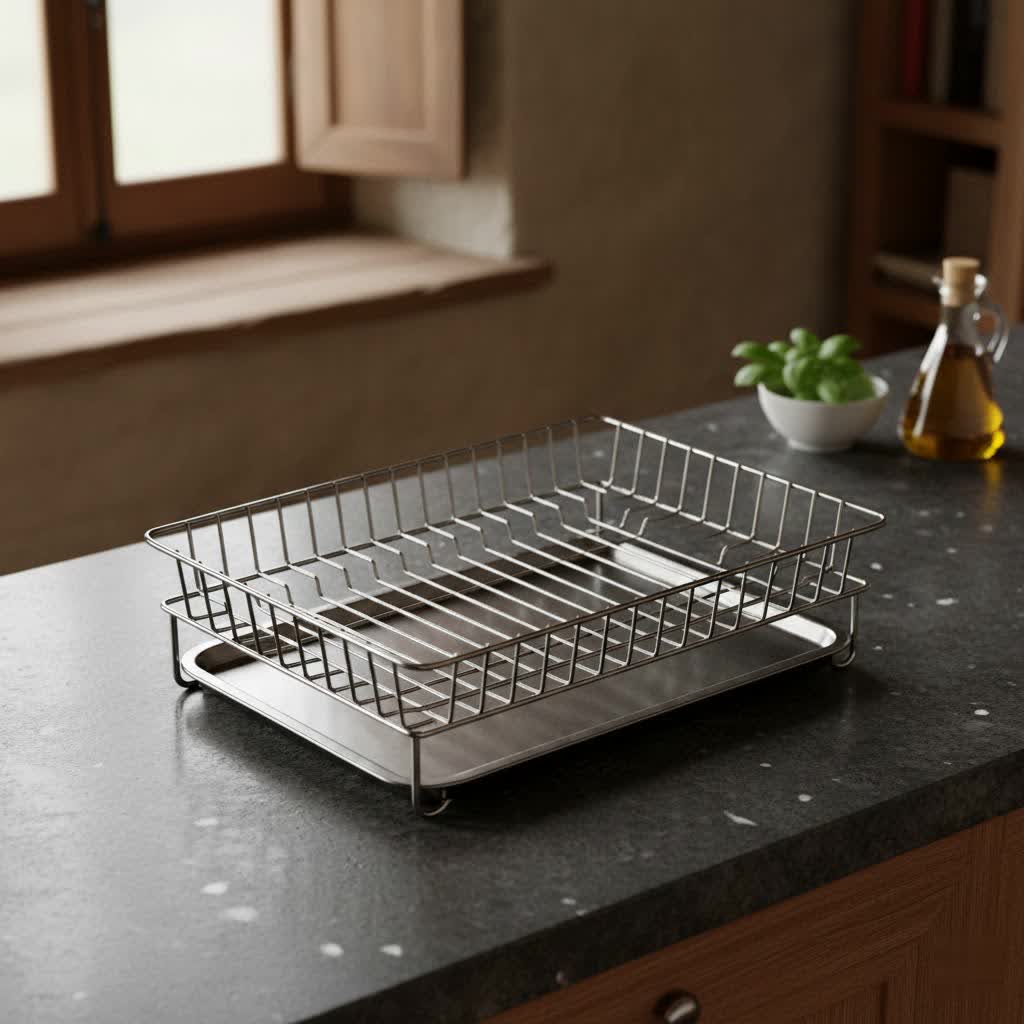
Are you constantly battling for counter space in your kitchen? Does a bulky dish rack make your cooking area feel cramped and cluttered? You’re not alone. Many homeowners face the challenge of drying dishes efficiently without sacrificing precious countertop real estate. The good news is, a foldable dish rack could be the perfect solution, offering an ingenious blend of functionality and space-saving design. This comprehensive guide will walk you through everything you need to know about choosing, using, and maintaining the ideal foldable dish rack for your home.
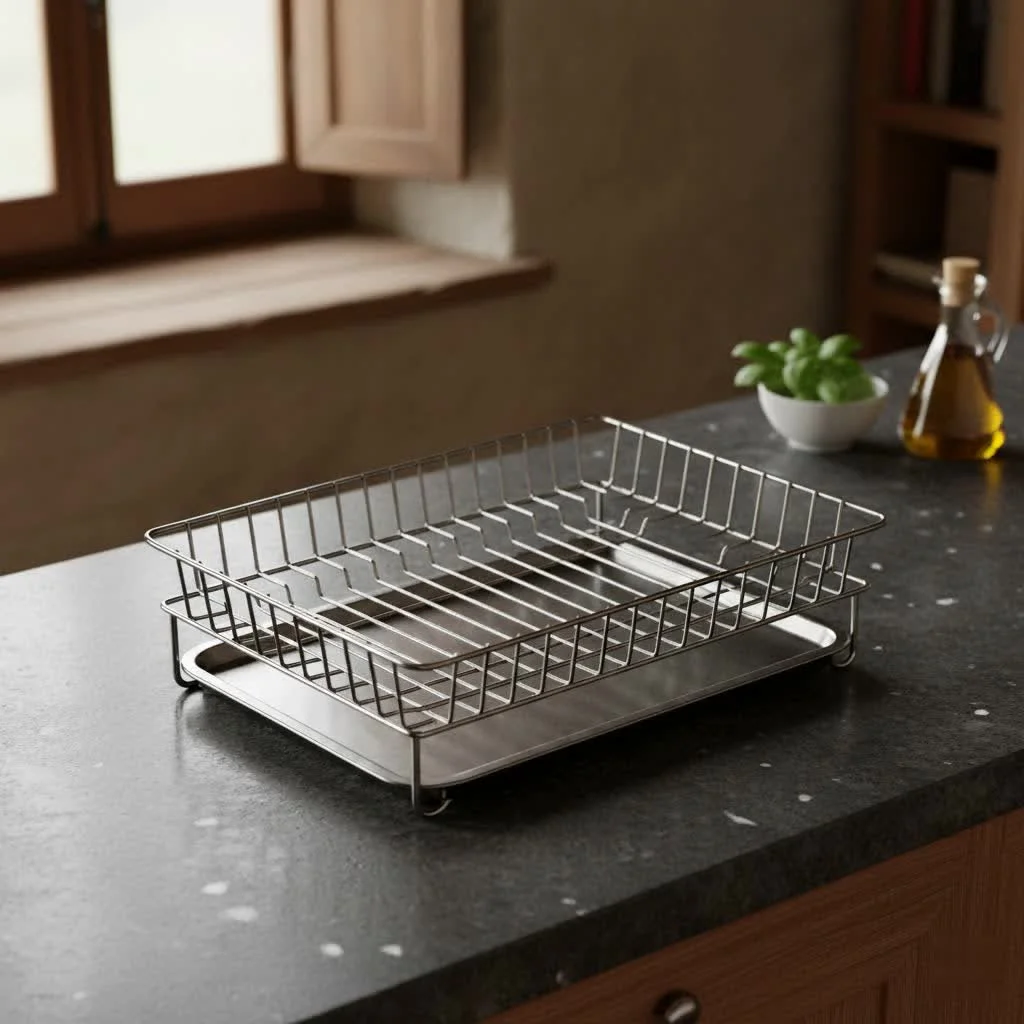
Types of Foldable Dish Racks
Foldable dish racks come in various designs, each offering unique advantages depending on your kitchen’s layout and your drying habits. Understanding these types is the first step to finding your perfect match.
Collapsible Plastic and Silicone Dish Racks
These popular racks are typically made from durable, often BPA-free plastic and flexible silicone. Their defining feature is the ability to “pop up” for use and then collapse flat for storage.
- Pros: Excellent for small kitchens, RVs, or camping due to extreme compactness. Many are dishwasher-safe and feature integrated utensil holders and drainboards. Silicone components often protect dishes and countertops from scratches.
- Cons: Plastic parts can sometimes be less durable than metal over long-term use and may be prone to staining. Capacity can be limited compared to larger, rigid racks.
Folding Wooden or Bamboo Dish Racks
For those who prefer a more natural or rustic aesthetic, wooden or bamboo folding dish racks offer a charming alternative. These typically fold like an accordion, often into a flat, slim profile.
- Pros: Environmentally friendly and visually appealing. Lightweight and easy to store. Bamboo naturally resists bacteria.
- Cons: Requires more careful maintenance to prevent mold and water damage, as wood can warp or crack if not dried properly. Not typically dishwasher safe. May lack dedicated utensil sections or integrated drainage systems, often requiring a separate drying mat or drainboard.
Roll-Up Over-the-Sink Drying Mats
While not a traditional “rack” in structure, roll-up mats are a highly versatile and foldable drying solution. Made from silicone-coated stainless steel rods, they unfurl across your sink, creating a drying area directly over the basin.
- Pros: Maximizes sink space, allowing water to drain directly. Extremely compact when rolled up for storage. Multipurpose, serving as a trivet or a rinsing station for fruits and vegetables. Durable and heat-resistant.
- Cons: May not offer the same structural support for stacking plates as traditional racks. Limited capacity for very large loads.
Multi-Tier Folding Dish Racks
|
Our Picks for the Best Dish Rack in 2026
As an Amazon Associate I earn from qualifying purchases.
|
||
| Num | Product | Action |
|---|---|---|
| 1 | Dish Drying Rack - Space-Saving Small Dish Rack for Kitchen Counter, Rust-Resistant Kitchen Drying Rack, Compact Dish Drainer Organizer with Utensil Holder for Home Kitchen, Black |

|
| 2 | 7 code Large Dish Drying Rack for Kitchen Counter, Detachable Large Capacity Dish Drainer Organizer, 2-Tier Dish Racks with Utensil Holder, Black |
|
| 3 | Over Sink Dish Drying Rack, 17" L x 11.8" W, Roll Up Dish Drying Rack for Kitchen, Gray |
|
| 4 | Stainless Steel Dish Drying Rack - Large Capcity 304 Grade Dish Drainer for Kitchen Counter with Drain Board, Utensil Holder & Detachable Cup Shelf, Rustproof Multifunctional Organizer |
|
| 5 | Stainless Steel Dish Drying Rack for Kitchen Counter, Sink Organization and Storage Essentials with Silverware & Utensil Holder, Home and Apartment Decor, 12''W x 15.5''L, Black |
|
| 6 | Dish Drying Rack Over the Sink In Stainless Steel Expandable Drainer for Small Kitchen, Counter Space Saving Compact Inside Sink Plate Dryer, Adjustable Hanging Metal Wire Above Strainer Drain Holder |
|
| 7 | KitchenAid Large Capacity Full Size Rust Resistant Dish Rack with Angled Drain Board and Removable Flatware Caddy, Light Grey |
|
| 8 | Space-Saving 3-Piece Dish Drainer Rack Set with Cutlery Holder - Maximize Countertop Space, Black |
|
| 9 | Joseph Joseph Extendable Dish Drying Rack with Dual Parts - Stainless Steel, Non-Scratch, Movable Utensil Drainer & Drainage Spout, Gray |
|
| 10 | TOOLF Expandable Dish Rack, Dish Drying Rack for Kitchen Counter, Foldable Dish Dryer Rack, Stainless Steel Dish Drainer Racks with Cutlery Holder, Collapsible Dish Drying Racks Large Size,Black |
|
Some foldable dish racks offer a multi-tiered design, providing additional drying capacity without taking up much more horizontal space. These can be found in various materials, including aluminum and plastic.
- Pros: Increased capacity for plates, bowls, and cups, ideal for families or those who hand-wash more items. Offers organized drying for different dish types.
- Cons: May not fold as compactly as single-tier models. Can be less stable if not designed well.
Criteria for Choosing a Foldable Dish Rack
Selecting the right foldable dish rack involves considering several key factors to ensure it meets your specific kitchen needs.
Material
The material of your dish rack significantly impacts its durability, ease of cleaning, and aesthetic appeal.
- Stainless Steel: Known for its durability, corrosion resistance, and ease of cleaning. Stainless steel racks are often long-lasting and resistant to scratches, making them a premium choice, though usually at a higher price point.
- Silicone: Offers flexibility, a soft touch, and is easy to clean. It’s also heat-resistant and often features anti-microbial properties, making it a hygienic option that protects delicate items.
- Plastic (BPA-free PP): Lightweight, affordable, and generally easy to clean. However, it can be less durable than stainless steel and prone to staining or developing a brittle texture over time. Look for BPA-free plastics for safety.
- Bamboo: An eco-friendly and lightweight option that adds a chic and natural look to your kitchen. While easy to clean, bamboo requires diligent drying to prevent mold and warping, making it less suitable for constant heavy use without proper care.
Size and Capacity
Consider the volume of dishes you typically wash by hand and the available space around your sink.
- Small kitchens or single households: A compact, single-tier collapsible plastic rack or an over-the-sink roll-up mat might be sufficient.
- Families or frequent entertainers: A multi-tier folding rack or a larger collapsible model with ample slots for plates, bowls, and cookware would be more appropriate.
- Always measure your counter space or sink area before purchasing to ensure a proper fit, both when extended and collapsed for storage.
Design and Features
Thoughtful design elements can enhance the functionality and convenience of your foldable dish rack.
- Drainage System: An effective drainage system is crucial to prevent water pooling on your countertop. Look for racks with a removable drip tray or a swivel spout that directs water directly into the sink.
- Utensil Holder: Dedicated compartments or removable caddies for silverware and cooking tools help them dry faster and prevent them from falling through the rack.
- Stability and Sturdiness: A good rack should remain stable even when fully loaded with dishes, including heavier items like pots and pans. Look for models with sidewalls and anti-slip feet.
- Multi-functionality: Some foldable racks double as a draining board for smaller loads when flat, or as a cooling rack. Over-the-sink roll-ups can function as trivets or prep surfaces.
Brand and Price
Reputable brands often offer better quality and customer support. While foldable dish racks are generally affordable, prices vary significantly based on material, size, and features. Invest in a rack that balances your budget with your needs for durability and functionality.
How to Use and Maintain Your Foldable Dish Rack
Proper usage and regular maintenance will extend the life of your foldable dish rack and keep your kitchen hygienic.
- Assembly and Placement: Most foldable racks are straightforward to set up. Ensure the rack is placed on a flat, stable surface, ideally near the sink to facilitate drainage. If your rack has an adjustable spout, position it to drain directly into the sink.
- Loading Dishes: Load dishes strategically, placing plates in designated slots and heavier items towards the center for stability. Use utensil holders for cutlery to ensure even drying.
- Cleaning: To prevent mold, mildew, and bacteria buildup, clean your dish rack frequently.
- Plastic/Silicone: Many models are dishwasher-safe. For hand washing, use warm, soapy water and a brush to get into crevices.
- Stainless Steel: Wash with mild dish soap and warm water. For stubborn water spots, a vinegar solution can be effective.
- Bamboo: Hand wash with mild soap and water, then immediately dry thoroughly with a cloth to prevent water damage. Periodically oiling bamboo can help preserve it.
- Storage: The primary advantage of a foldable rack is compact storage. Once dry, fold or collapse the rack and store it vertically in a cabinet, pantry, or under the sink, freeing up your counter space.
Where to Buy Foldable Dish Racks
Foldable dish racks are widely available, both online and in physical stores.
- Online Retailers: Websites like Amazon, Target, and Walmart offer a vast selection of models from various brands, often with customer reviews that can help inform your decision.
- Home Goods Stores: Stores like IKEA, HomeGoods, and specialized kitchenware retailers typically carry a range of dish racks, allowing you to see and feel the product before buying.
- Tips for Online Shopping: When buying online, always check the product dimensions, customer reviews (especially regarding durability and drainage), and the return policy to ensure satisfaction.
Buying Guide
Choosing the best foldable dish rack for your kitchen boils down to a few key considerations:
- Space is paramount: If you have a tiny kitchen, prioritize ultra-compact, easy-to-store designs like collapsible plastic or roll-up over-the-sink racks.
- Usage Frequency: For daily use with large loads, prioritize sturdy materials like stainless steel and larger capacities. For occasional use, a simple bamboo or silicone model might suffice.
- Budget: Determine how much you’re willing to invest. While more expensive models might offer superior features and durability, there are excellent budget-friendly options available.
- Desired Features: Do you need a dedicated wine glass holder? An automatic draining system? A specific aesthetic? List your must-have features to narrow down your choices.
Conclusion
A foldable dish rack is more than just a place to dry dishes; it’s a smart solution for modern living, especially in kitchens where every inch of counter space counts. By understanding the different types, materials, and features available, you can select a rack that not only streamlines your dish-drying process but also keeps your kitchen organized and clutter-free. Embrace the versatility and convenience of a foldable dish rack and transform your kitchen into a more efficient and enjoyable space.
What kind of dishes do you find yourself washing most often, and how might a foldable dish rack simplify your daily routine?
Frequently Asked Questions
Can foldable dish racks hold heavy pots and pans?
Many foldable dish racks, particularly those made from sturdy stainless steel or aluminum, are designed to hold heavier items like pots and pans. Look for models with robust construction and a stable base to ensure they can confidently support your cookware.
Are all foldable dish racks dishwasher safe?
No, not all foldable dish racks are dishwasher safe. Plastic and silicone models often are, but wooden or bamboo racks typically require hand washing and immediate drying to prevent damage. Always check the manufacturer’s care instructions before placing your dish rack in the dishwasher.
How do foldable dish racks handle water drainage?
Foldable dish racks manage water drainage in various ways. Many feature an integrated drainboard or drip tray to collect water, which can be manually emptied. Others include a swivel spout that automatically directs water directly into your sink, ensuring your countertops stay dry. Roll-up over-the-sink mats drain directly into the sink basin.
Cooking gear we tested in our own kitchens
Free PDF — preheat times measured on 10 popular air fryers.
