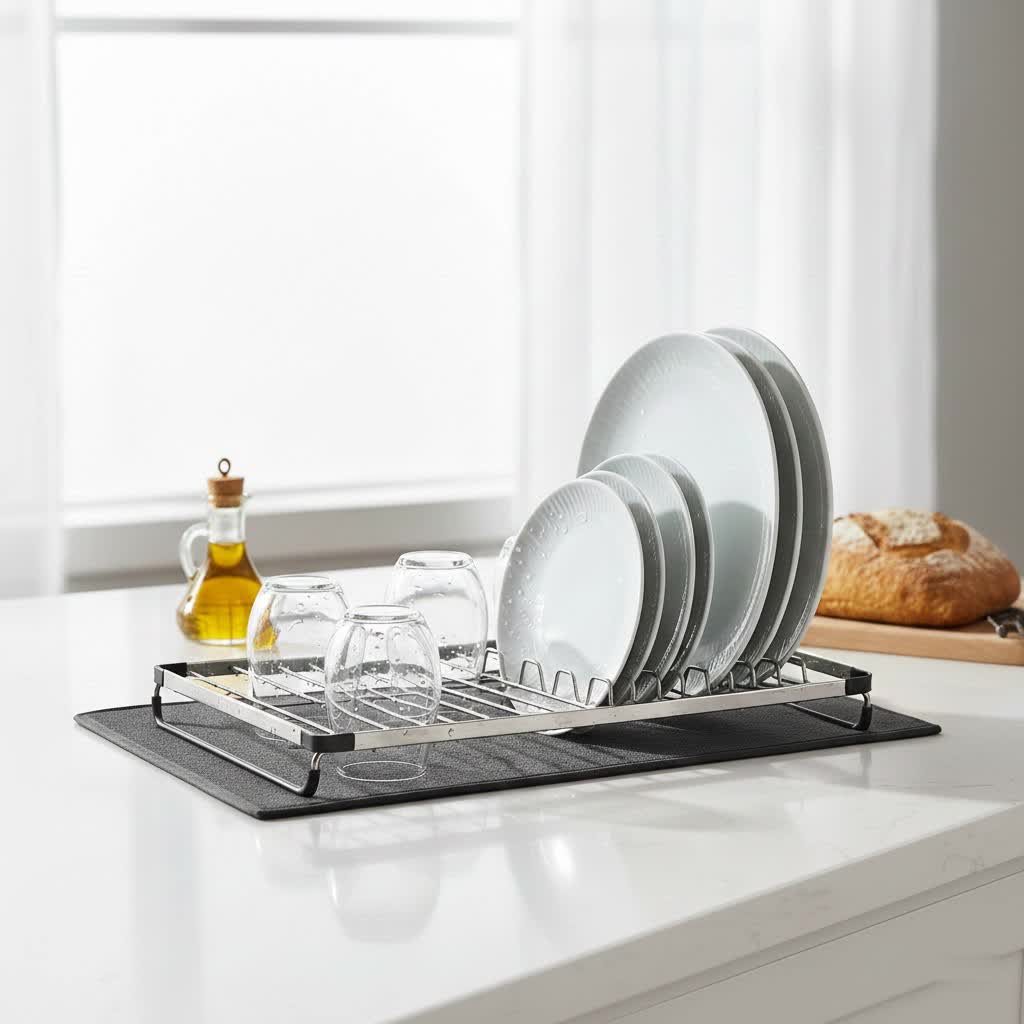
A cluttered kitchen can quickly become a source of stress, especially when handwashing dishes adds to the chaos. Finding the right tools to keep your countertops clear and your dishes dry is essential for a harmonious kitchen. Among the many options available, Rubbermaid dish racks have long been a household name, known for their functional designs and practicality. This guide dives deep into everything you need to know about selecting, using, and maintaining a Rubbermaid dish rack to ensure your kitchen stays organized and efficient.
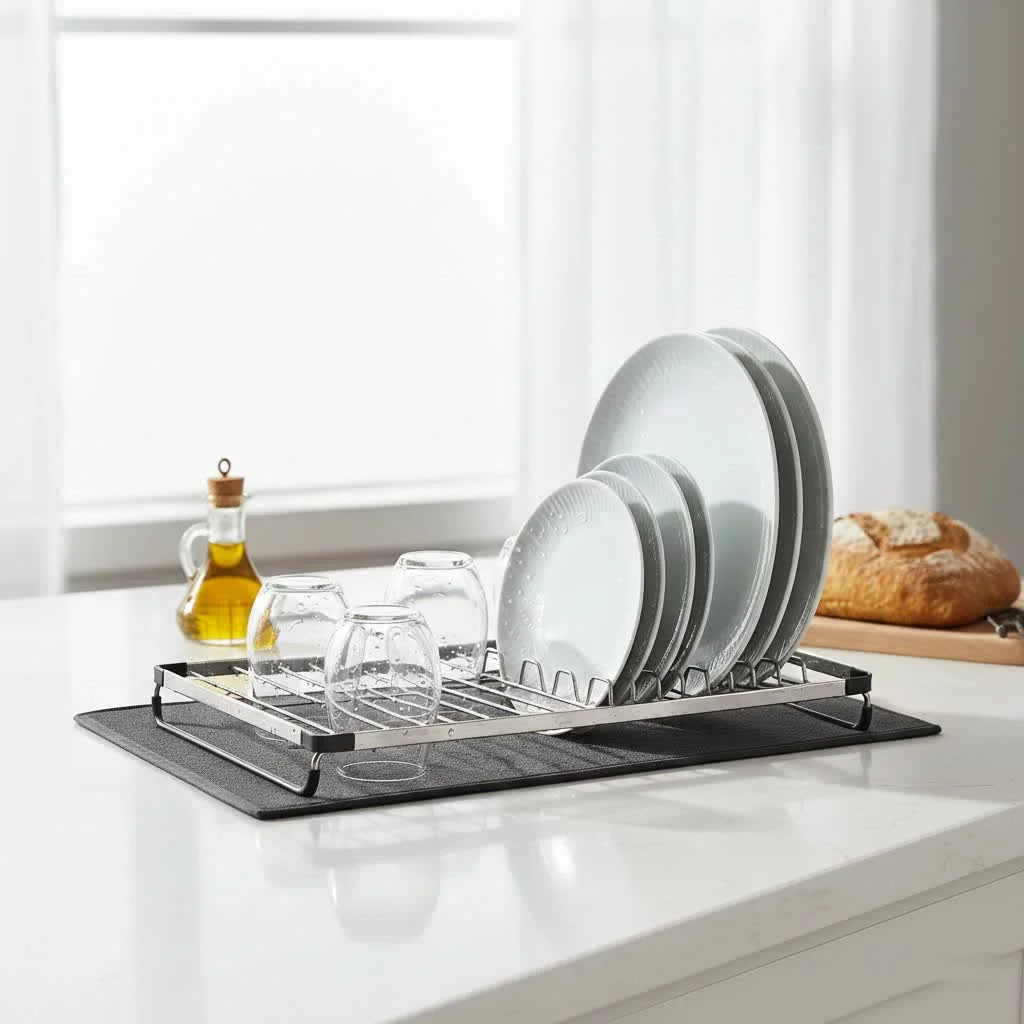
Understanding the Variety of Rubbermaid Dish Racks
Rubbermaid primarily offers wire dish drainers, designed to efficiently air-dry your dishes. While the core design often remains simple and functional, variations exist to suit different kitchen layouts and needs. These racks are typically made of coated wire, providing a protective layer for your dishes and sink.
Most Rubbermaid dish racks are designed for either in-sink or countertop placement. In-sink models are perfect for smaller kitchens or those looking to maximize counter space, fitting directly into one side of a double sink or over a single basin. Countertop versions require a separate drain board (often sold separately) to collect water, making them versatile for any counter space. Key features often include deep slots to accommodate various dish sizes, from plates and bowls to heavier stoneware, and often a detachable silverware cup for utensils, promoting organized drying.
Key Features and Benefits of Rubbermaid Dish Racks
Rubbermaid dish racks are designed with several practical features that aim to make your dish-drying process smoother and more hygienic.
One of the standout features is the Microban antimicrobial product protection often integrated into their designs. This protection actively fights the growth of stain- and odor-causing bacteria, helping to keep your dish rack fresh and clean between washes. The coated wire construction is another significant benefit, cushioning your dishes and protecting your sink from scratches and scuffs during use.
Rubbermaid racks are generally known for their capacity and sturdiness. Many models feature extra deep slots, allowing you to dry a substantial amount of dishes, including larger plates and heavy stoneware, without worrying about instability. Their designs often incorporate rubber feet, which prevent the rack from slipping on wet surfaces and further protect your countertops. The open wire design also promotes optimal airflow, leading to faster drying times for your dishes. These combined elements contribute to a more organized kitchen, reducing clutter and preventing water spills.
How to Select the Perfect Rubbermaid Dish Rack
Choosing the ideal dish rack involves balancing your specific kitchen needs with the features and known characteristics of Rubbermaid products. Consideration of material, size, design, and user feedback is crucial for a satisfactory purchase.
Material Matters
|
Our Picks for the Best Dish Rack in 2026
As an Amazon Associate I earn from qualifying purchases.
|
||
| Num | Product | Action |
|---|---|---|
| 1 | KitchenAid Large Capacity Full Size Rust Resistant Dish Rack with Angled Drain Board and Removable Flatware Caddy, Light Grey |

|
| 2 | Space-Saving 3-Piece Dish Drainer Rack Set with Cutlery Holder - Maximize Countertop Space, Black |
|
| 3 | 7 code Large Dish Drying Rack for Kitchen Counter, Detachable Large Capacity Dish Drainer Organizer, 2-Tier Dish Racks with Utensil Holder, Black |
|
| 4 | Over Sink Dish Drying Rack, 17" L x 11.8" W, Roll Up Dish Drying Rack for Kitchen, Gray |
|
| 5 | Dish Drying Rack Over the Sink In Stainless Steel Expandable Drainer for Small Kitchen, Counter Space Saving Compact Inside Sink Plate Dryer, Adjustable Hanging Metal Wire Above Strainer Drain Holder |
|
| 6 | Joseph Joseph Extendable Dish Drying Rack with Dual Parts - Stainless Steel, Non-Scratch, Movable Utensil Drainer & Drainage Spout, Gray |
|
| 7 | Dish Drying Rack - Space-Saving Small Dish Rack for Kitchen Counter, Rust-Resistant Kitchen Drying Rack, Compact Dish Drainer Organizer with Utensil Holder for Home Kitchen, Black |
|
| 8 | Stainless Steel Dish Drying Rack - Large Capcity 304 Grade Dish Drainer for Kitchen Counter with Drain Board, Utensil Holder & Detachable Cup Shelf, Rustproof Multifunctional Organizer |
|
| 9 | Stainless Steel Dish Drying Rack for Kitchen Counter, Sink Organization and Storage Essentials with Silverware & Utensil Holder, Home and Apartment Decor, 12''W x 15.5''L, Black |
|
| 10 | TOOLF Expandable Dish Rack, Dish Drying Rack for Kitchen Counter, Foldable Dish Dryer Rack, Stainless Steel Dish Drainer Racks with Cutlery Holder, Collapsible Dish Drying Racks Large Size,Black |
|
Rubbermaid dish racks are predominantly made from coated wire, which typically consists of a steel frame covered with a plastic or vinyl coating. This coating is intended to protect dishes and prevent rust. While generally durable, customer feedback indicates that the quality of this coating and its rust resistance can vary, with some users reporting rust development over time, especially at wire intersection points. When evaluating, consider models that explicitly mention high-quality, robust coatings for better longevity.
Size and Capacity for Your Lifestyle
The dimensions of your kitchen and the volume of dishes you typically wash by hand should dictate your choice.
- Small kitchens or limited counter space: An in-sink model is often the best solution, fitting directly into your sink basin. Look for compact models that offer good capacity without taking up valuable counter real estate.
- Larger kitchens or frequent handwashing: A countertop model might be more suitable, offering greater capacity. Ensure you have ample space for both the rack and its accompanying drain board.
- Family size: A single person or couple might opt for a smaller rack, while a larger family will benefit from an extra-deep or larger footprint model to handle more plates, bowls, and cookware.
Design and Functional Features
Beyond basic drying, consider features that enhance usability.
- Detachable silverware cup: Almost standard, but check its design. Some users prefer cups with dividers for better organization of forks, spoons, and knives.
- Drain board: Most Rubbermaid wire racks require a separate drain board. Look for a compatible drain board that angles water effectively into your sink to keep countertops dry.
- Stability: Rubber feet are crucial for preventing slips and protecting surfaces. Ensure the rack feels sturdy, especially when loaded with heavier items.
- Aesthetics: While Rubbermaid prioritizes function, consider the color and overall look to ensure it complements your kitchen decor.
Understanding Quality and Durability
It’s important to acknowledge that some long-time users have noted changes in the perceived quality of newer Rubbermaid dish racks, with concerns about thinner materials and premature rusting. When purchasing, look for current reviews and consider inspecting the product for robust construction and coating thickness. Prioritizing models with stronger, rust-resistant coatings can mitigate potential issues.
Price and Value
Rubbermaid dish racks are generally positioned as an affordable and value-oriented option. While they may not have the premium price tag of some stainless steel alternatives, their cost-effectiveness lies in their proven functionality and essential features like Microban protection. Evaluate the price against the expected lifespan and features to determine true value.
Comparing Rubbermaid with Other Dish Rack Materials
While Rubbermaid primarily offers coated wire options, understanding other common dish rack materials can help you appreciate its specific advantages and disadvantages.
Stainless Steel Dish Racks:
- Pros: Highly resistant to rust and corrosion, sleek modern aesthetic, generally very durable, hygienic (non-porous surface prevents bacterial growth).
- Cons: Often significantly more expensive, can be heavier, may show water spots.
Plastic Dish Racks:
- Pros: Very affordable, lightweight, available in many colors, easy to clean.
- Cons: Less durable than metal, prone to staining and odors over time, can warp or crack, may not hold heavier dishes securely, can look cheap.
Rubbermaid’s Coated Wire Dish Racks:
- Pros: More affordable than stainless steel, offers cushioning for dishes, lightweight, often includes antimicrobial protection, good capacity.
- Cons: Prone to rusting if the coating is compromised (a common customer complaint), may not be as aesthetically modern as some stainless steel designs, drain board usually sold separately.
Ultimately, Rubbermaid’s coated wire racks offer a balance, providing good capacity and hygiene features at a more accessible price point than many stainless steel alternatives, though vigilance regarding rust and perceived quality is advised.
Caring for Your Rubbermaid Dish Rack
Proper cleaning and maintenance are key to extending the life of your Rubbermaid dish rack and keeping it hygienic. Neglecting routine care can lead to unsightly mineral deposits, mold, and even rust.
Regular Cleaning: Aim to clean your dish rack daily or after each use. This simple habit prevents residue buildup and minimizes the chances of mold or bacterial growth. A quick rinse with hot, soapy water and a thorough drying with a clean towel after each use can make a big difference. If your dish rack has a detachable silverware cup, remove and clean it separately to ensure all crevices are spotless.
Deep Cleaning: For a more thorough clean, especially to combat hard water stains or mildew, a vinegar solution or baking soda paste works wonders.
- Vinegar Soak: Submerge your dish rack in a solution of equal parts white vinegar and water for at least 30 minutes. This will sanitize the rack and help dissolve mineral deposits and odors.
- Baking Soda Paste: For stubborn spots or greasy areas, create a thick paste using baking soda and a small amount of water. Apply it to the affected areas, let it sit for about 15 minutes, then scrub gently with a brush or sponge.
- Thorough Rinse: After applying any cleaning solution, rinse the rack thoroughly under running water to remove all residues.
- Drainage Inspection: Regularly check and clean the drain board (if applicable) and any drainage channels to prevent blockages and ensure water flows freely.
Preventing Rust and Odors: To minimize rust, always ensure your dish rack is completely dry after cleaning, especially if it’s a coated wire model where compromised coating can lead to rust. The built-in Microban protection helps with odor-causing bacteria, but regular cleaning is still your best defense against lingering smells and unhygienic buildup.
Where to Purchase Your Rubbermaid Dish Rack
Finding a Rubbermaid dish rack is generally straightforward, as they are widely available across various retail channels.
You can typically find Rubbermaid dish racks at major brick-and-mortar retailers such as Walmart, Target, Home Depot, and Lowe’s. These stores often carry a selection of their basic wire drainers and may have associated drain boards.
For a broader selection and convenience, online retailers are an excellent option. Websites like Amazon, Walmart.com, HomeDepot.com, and Lowes.com stock various Rubbermaid models, often with customer reviews that can help inform your decision. You might also find new or vintage Rubbermaid dish racks on marketplaces like eBay.
When buying online, always remember to:
- Check product descriptions carefully: Ensure you understand the material, dimensions, and whether a drain board is included or sold separately.
- Read recent customer reviews: Pay attention to feedback regarding durability, rusting, and perceived quality to gauge current product performance.
- Verify seller reputation: Especially on marketplace sites, ensure you’re buying from a reputable seller to avoid counterfeit or low-quality products.
Rubbermaid Dish Rack Buying Guide Checklist
Before making your final purchase, consider this checklist to ensure you select the perfect Rubbermaid dish rack for your kitchen:
- Space Availability: Will it fit comfortably in your sink or on your countertop without obstructing other kitchen tasks? Measure your space.
- Family Size & Load Capacity: Does the rack have enough slots and depth to handle your typical dish load? Consider extra capacity for larger families or frequent handwashing.
- Material Preference: Are you comfortable with coated wire, understanding its pros and cons, particularly regarding rust potential?
- Budget: Does the price align with your budget expectations for a dish rack?
- Additional Features: Do you need a detachable silverware cup? Is an integrated or compatible drain board essential for your setup?
- Stability: Check for rubberized feet or other features that ensure the rack stays put on your counter or in your sink.
- Antimicrobial Protection: Does the model feature Microban protection for enhanced hygiene?
By carefully considering these factors, you can make an informed decision and choose a Rubbermaid dish rack that genuinely meets your household’s needs.
Conclusion
A well-chosen dish rack is more than just a place to dry dishes; it’s a vital component of an organized and efficient kitchen. Rubbermaid dish racks, with their focus on practicality, ample capacity, and integrated antimicrobial protection, offer a dependable solution for many households. While it’s wise to consider user feedback on material durability and potential rusting, their value-driven approach makes them a popular choice. By selecting a rack that fits your space, caring for it diligently, and understanding its features, you can ensure your Rubbermaid dish rack remains a functional and hygienic helper in your daily kitchen routine.
What aspects of kitchen organization do you find most challenging when it comes to dish drying?
Frequently Asked Questions
What materials are Rubbermaid dish racks typically made from?
Rubbermaid dish racks are predominantly made from a coated wire construction, featuring a steel frame covered with a protective plastic or vinyl coating. This design aims to cushion dishes and provide durability, often incorporating features like Microban antimicrobial protection.
How can I prevent my Rubbermaid dish rack from rusting?
To prevent rusting, always ensure your Rubbermaid dish rack is thoroughly dried after each use. Regularly deep clean it to remove mineral deposits and food residues that can compromise the coating. Avoid harsh abrasive cleaners that might scratch the protective layer, exposing the underlying metal.
Are Rubbermaid dish racks suitable for small kitchens?
Yes, many Rubbermaid dish racks are compact and well-suited for small kitchens. They often offer in-sink models that sit directly in your basin to save counter space, or smaller countertop versions that efficiently dry dishes without taking up excessive room.
Do Rubbermaid dish racks come with a drain board?
Most Rubbermaid wire dish racks do not come with an integrated drain board and require a separate purchase. It’s important to check the product description to confirm if a drain board is included or if you need to buy a compatible one separately to prevent water from pooling on your countertop.
How often should I clean my Rubbermaid dish rack?
It’s recommended to rinse your Rubbermaid dish rack daily or after each use to prevent buildup. A deeper clean with a vinegar solution or baking soda paste should be performed weekly or bi-weekly, depending on usage, to sanitize and remove stubborn stains and potential mold.
Cooking gear we tested in our own kitchens
Free PDF — preheat times measured on 10 popular air fryers.
