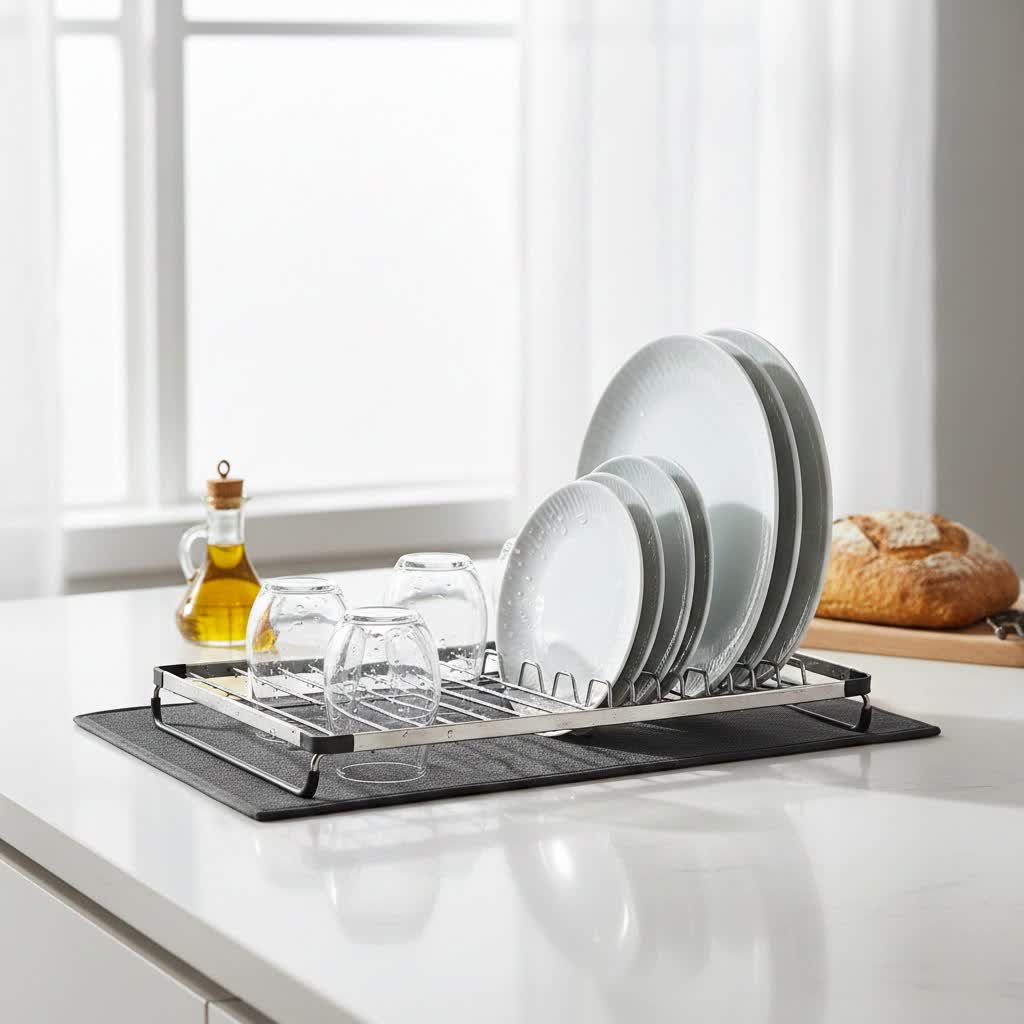
Every kitchen, regardless of its size or style, eventually faces the universal task of drying dishes. While air drying might seem simple, a cluttered countertop can quickly transform a pristine kitchen into a chaotic space. This is where a well-chosen dish drying rack becomes indispensable, transforming a daily chore into an organized and efficient process. Among the myriad options available, the steel dish drying rack stands out as a superior choice, offering unparalleled durability, hygiene, and a sleek aesthetic that complements any modern kitchen.
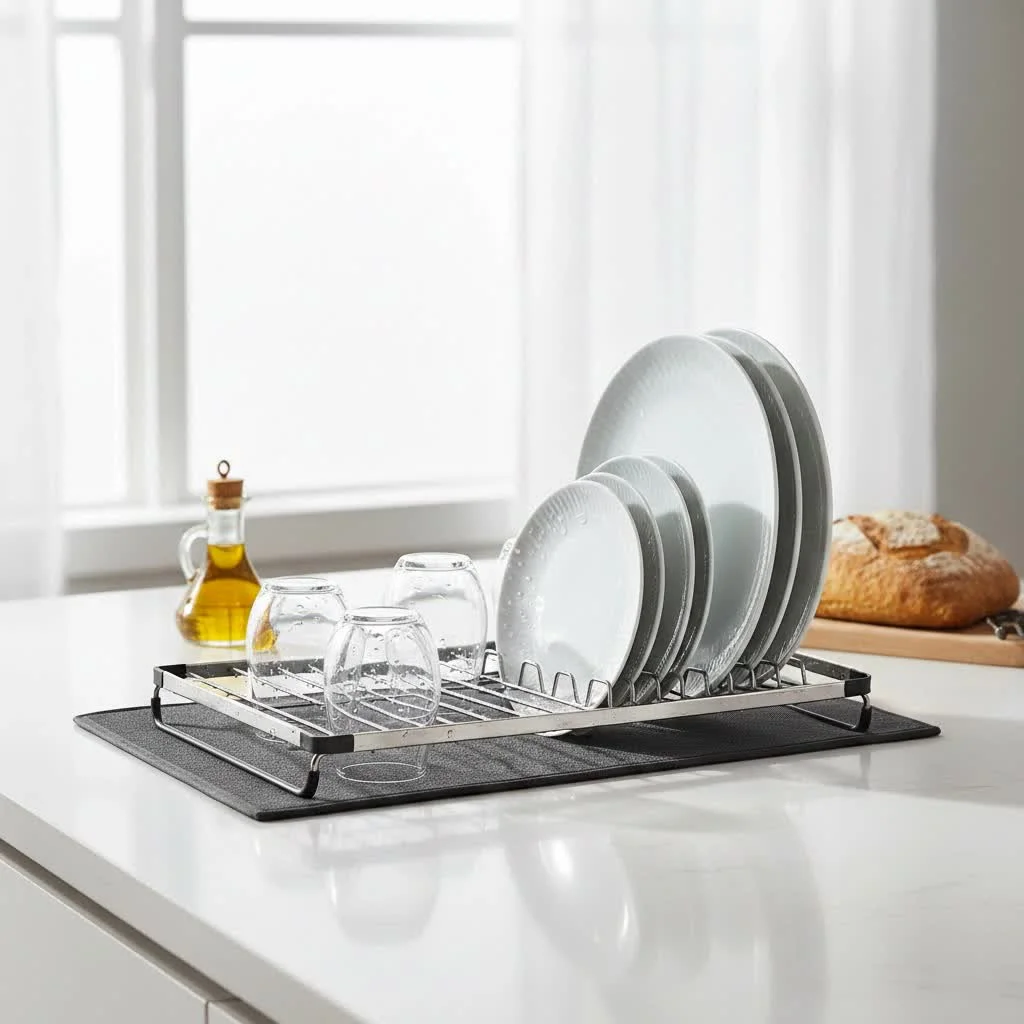
Popular Types of Steel Dish Drying Racks
Steel dish drying racks come in various configurations, each designed to meet specific needs and kitchen layouts. Understanding these types can help you pinpoint the perfect solution for your home.
Single-Tier Steel Dish Racks
Single-tier racks are the most common and straightforward design, featuring a single level for plates, bowls, and cutlery. They are ideal for smaller households or kitchens with limited counter space, offering basic functionality without overwhelming the area. Their simplicity makes them easy to clean and maintain, focusing purely on efficient dish drying.
Two-Tier Steel Dish Racks
For those with more dishes or larger families, a two-tier steel dish rack provides increased drying capacity within a compact footprint. The upper tier typically holds plates, while the lower tier accommodates bowls, cups, and other items. This vertical design maximizes space utilization, making it an excellent choice for busy kitchens where counter space is at a premium, though it can appear bulkier than its single-tier counterpart.
Over-the-Sink Steel Dish Racks
Capitalizing on unused vertical space, over-the-sink steel dish racks are designed to fit directly above your kitchen sink. This ingenious placement allows water to drip directly into the sink, eliminating the need for a separate drainboard and keeping your countertops completely dry. They are particularly beneficial for extremely small kitchens or renters who want to avoid permanent fixtures, offering a clean, minimalist look.
Roll-Up Steel Dish Racks
A versatile and space-saving option, roll-up steel dish racks are essentially grids of stainless steel rods covered in silicone. They can be unrolled over the sink to act as a drying rack, a trivet for hot pots, or even an extra prep surface. When not in use, they conveniently roll up for compact storage. Their flexibility and multi-purpose nature make them perfect for modern, minimalist kitchens or those with dynamic needs.
Expandable Steel Dish Racks
Expandable steel dish racks offer flexibility, allowing you to adjust their size to accommodate varying loads of dishes. This type is perfect for households that entertain frequently or have fluctuating dishwashing needs. When you need more space, simply extend the rack; when less is required, retract it to save counter space. This adaptability ensures you always have the right amount of drying area without permanent bulk.
Essential Criteria for Choosing a Steel Dish Drying Rack
Selecting the right steel dish drying rack involves more than just picking the first attractive option. Key factors like material quality, size, design, and brand reputation play a crucial role in its longevity and functionality.
Material
|
Our Picks for the Best Dish Rack in 2026
As an Amazon Associate I earn from qualifying purchases.
|
||
| Num | Product | Action |
|---|---|---|
| 1 | Dish Drying Rack - Space-Saving Small Dish Rack for Kitchen Counter, Rust-Resistant Kitchen Drying Rack, Compact Dish Drainer Organizer with Utensil Holder for Home Kitchen, Black |

|
| 2 | KitchenAid Large Capacity Full Size Rust Resistant Dish Rack with Angled Drain Board and Removable Flatware Caddy, Light Grey |
|
| 3 | Space-Saving 3-Piece Dish Drainer Rack Set with Cutlery Holder - Maximize Countertop Space, Black |
|
| 4 | Over Sink Dish Drying Rack, 17" L x 11.8" W, Roll Up Dish Drying Rack for Kitchen, Gray |
|
| 5 | 7 code Large Dish Drying Rack for Kitchen Counter, Detachable Large Capacity Dish Drainer Organizer, 2-Tier Dish Racks with Utensil Holder, Black |
|
| 6 | Joseph Joseph Extendable Dish Drying Rack with Dual Parts - Stainless Steel, Non-Scratch, Movable Utensil Drainer & Drainage Spout, Gray |
|
| 7 | Stainless Steel Dish Drying Rack - Large Capcity 304 Grade Dish Drainer for Kitchen Counter with Drain Board, Utensil Holder & Detachable Cup Shelf, Rustproof Multifunctional Organizer |
|
| 8 | Stainless Steel Dish Drying Rack for Kitchen Counter, Sink Organization and Storage Essentials with Silverware & Utensil Holder, Home and Apartment Decor, 12''W x 15.5''L, Black |
|
| 9 | TOOLF Expandable Dish Rack, Dish Drying Rack for Kitchen Counter, Foldable Dish Dryer Rack, Stainless Steel Dish Drainer Racks with Cutlery Holder, Collapsible Dish Drying Racks Large Size,Black |
|
| 10 | Dish Drying Rack Over the Sink In Stainless Steel Expandable Drainer for Small Kitchen, Counter Space Saving Compact Inside Sink Plate Dryer, Adjustable Hanging Metal Wire Above Strainer Drain Holder |
|
The material of your dish rack is paramount, directly influencing its durability, hygiene, and resistance to rust. When it comes to steel, there are distinct differences to consider.
- Preferred Material: Stainless Steel (304 Grade):
- Advantages: Stainless steel, particularly the 304 grade (also known as 18/8 or 18/10 stainless steel), is highly resistant to rust, corrosion, and staining due to its high chromium and nickel content. It’s exceptionally durable, hygienic, and easy to clean, making it a long-lasting investment. The sleek, polished appearance also adds a modern touch to any kitchen.
- Disadvantages: Dish racks made from 304-grade stainless steel tend to be more expensive than those made from other materials or lower-grade steel. They can also be heavier, making them less portable.
- Other Steel Grades (e.g., 201 Stainless Steel):
- Advantages: 201 stainless steel is a more budget-friendly option, offering a similar aesthetic to 304 grade. It still provides some level of corrosion resistance, though less than 304.
- Disadvantages: It contains less nickel and more manganese, making it more susceptible to rust and corrosion over time, especially in humid environments or with frequent exposure to water and detergents. It may not offer the same longevity as 304-grade steel.
Size and Capacity
The ideal size and capacity of your steel dish drying rack depend heavily on your household size and available kitchen space.
- Assess Your Space: Before purchasing, measure your available counter space or the dimensions of your sink area if you’re considering an over-the-sink model. Ensure the rack won’t obstruct cabinets, appliances, or workflow.
- Consider Your Household:
- Small Households (1-2 people): A compact single-tier rack or a roll-up mat might suffice, handling a few plates, glasses, and cutlery items.
- Medium Households (3-4 people): A standard single-tier or a smaller two-tier rack will likely be appropriate, providing enough space for daily dishes without overwhelming the counter.
- Large Households/Frequent Entertainers: A large two-tier rack, an expandable model, or multiple racks might be necessary to accommodate a higher volume of dishes, pots, and pans. Look for designs with dedicated slots for larger items.
Design and Features
Beyond basic functionality, thoughtful design and additional features can significantly enhance the utility and convenience of a steel dish drying rack.
- Integrated Drainboard: Many steel racks come with a removable drainboard that collects water and often features a spout to direct it back into the sink. This prevents water from pooling on your countertop, maintaining hygiene and preventing water damage.
- Utensil Holder: A separate caddy or integrated compartment for knives, forks, and spoons helps them dry efficiently and prevents them from falling through the rack. Look for designs that allow water to drain from the bottom of the holder.
- Cutting Board/Mug Holders: Some advanced designs include hooks for mugs or dedicated slots for drying cutting boards, optimizing space and keeping these items organized.
- Airflow and Ventilation: A good design ensures adequate spacing between wires to allow for maximum airflow, which is crucial for quick drying and preventing mildew buildup.
- Aesthetics: Steel racks offer a sleek, modern, and often minimalist look that can seamlessly integrate into various kitchen decors, from industrial to contemporary. The metallic finish adds a touch of sophistication.
Brand and Price
While a higher price often correlates with better quality, it’s important to find a balance between cost and value.
- Reputable Brands: Brands like Simplehuman, OXO, Kincmax, or similar high-quality kitchenware manufacturers often offer superior design, materials (typically 304 stainless steel), and customer support. Investing in a known brand can provide peace of mind regarding durability and warranty.
- Price Range: Steel dish drying racks can range from $20 for basic, smaller models to over $100 for premium, large, multi-functional designs from top brands. Consider your budget, but also view it as an investment in a durable kitchen tool.
- Read Reviews: Always check customer reviews for insights into real-world performance, durability, and any potential issues like rust, even with stainless steel claims.
Comparison of Top Steel Dish Drying Racks
To help you navigate the market, here’s a comparative look at different types of steel dish drying racks, highlighting their core features and suitability.
| Feature | Single-Tier Standard | Two-Tier Compact | Over-the-Sink Roll-Up | Premium Expandable |
|---|---|---|---|---|
| Material | 304 Stainless Steel | 304 Stainless Steel | 304 Stainless Steel with Silicone | 304 Stainless Steel |
| Capacity | Small to Medium | Medium to Large | Variable, up to Large | Medium to Extra Large |
| Footprint | Standard Countertop | Small Countertop (Vertical) | Zero Countertop (Over-Sink) | Adjustable Countertop |
| Key Features | Basic plate/bowl slots, utensil holder, drainboard | Upper tier for plates, lower for bowls/cups, side caddy, drainboard | Multi-purpose: drying, trivet, prep; rolls for storage | Expands for extra capacity, dedicated slots, advanced drain system |
| Pros | Simple, effective, good airflow | Space-saving, high capacity for footprint | Countertop free, versatile, easy to store | Adaptable, high capacity, premium feel |
| Cons | Takes up counter space | Can be tall, may obstruct views | Limited to sink width, less rigid than fixed racks | Higher price point, still requires counter space (when expanded) |
| Ideal For | Singles, couples, small kitchens | Medium families, limited counter space, high dish volume | Small kitchens, modern minimalist design, multi-functional use | Large families, entertainers, flexible dishwashing needs |
How to Use and Maintain Your Steel Dish Drying Rack
Proper usage and maintenance are key to maximizing the lifespan and effectiveness of your steel dish drying rack. Even the best 304 stainless steel can show signs of wear without care.
Correct Assembly and Placement
Most steel dish racks are designed for easy, tool-free assembly. Follow the manufacturer’s instructions carefully to ensure all parts are securely fitted, especially the drainboard and utensil holders. Place your rack on a flat, stable surface on your countertop, ideally near the sink to minimize water drips across the kitchen. For over-the-sink models, ensure it’s securely positioned and fits the sink dimensions.
Effective Dish Placement
Load dishes strategically for optimal drying and stability. Place plates upright in designated slots, allowing air to circulate around them. Cups and bowls should be inverted to prevent water from pooling inside. Heavy items like pots and pans should be placed on the sturdiest parts of the rack, usually the bottom tier, to maintain balance. Utensils go in their dedicated caddy, handle-down for forks and spoons, and blade-down for knives for safety.
Cleaning and Care Tips
Regular cleaning is crucial for preventing water spots, limescale buildup, and potential rust, even on stainless steel.
- Daily Rinse: After each use, quickly rinse the rack with warm water to remove food particles and detergent residue.
- Weekly Deep Clean: At least once a week, dismantle the rack (if possible) and wash all components with warm, soapy water. Use a soft brush or sponge to scrub away any buildup.
- Combatting Water Spots and Limescale: For hard water stains, a solution of equal parts white vinegar and water can be very effective. Spray it on, let it sit for 10-15 minutes, then scrub and rinse thoroughly. For stubborn spots, a paste of baking soda and water can be applied.
- Drying: Always dry your steel dish rack completely after cleaning, especially the crevices. Use a soft cloth to prevent water spots and ensure no moisture is left behind, which can eventually lead to pitting or “flash rust” on even the best stainless steel.
- Avoid Harsh Cleaners: Steer clear of abrasive cleaners, steel wool, or harsh chemicals like bleach, as these can scratch the surface or compromise the protective layer of stainless steel.
Where to Purchase Your Steel Dish Drying Rack
Finding the perfect steel dish drying rack is easier than ever, with numerous reputable outlets available both online and in physical stores.
Online Retailers
- Advantages: Online platforms offer the widest selection of brands, models, and price points. You can easily compare features, read customer reviews, and often find competitive pricing. Major retailers like Amazon, Wayfair, Target.com, and specialty kitchenware sites are excellent starting points.
- Considerations: Always check the seller’s reputation, return policy, and read recent customer reviews, especially regarding durability and material claims. Look for high-resolution images and detailed product descriptions to ensure you’re getting what you expect.
Brick-and-Mortar Stores
- Advantages: Visiting physical stores allows you to see and touch the product before buying, assessing its size, weight, and build quality firsthand. You can also get immediate assistance from sales associates. Home goods stores, kitchen specialty shops, and department stores are good places to look.
- Considerations: Selection might be more limited than online, and prices could be slightly higher. However, the ability to inspect the product can be invaluable for larger or more expensive items.
Buying Guide: Your Checklist Before Purchase
Before making your final decision, take a moment to review these crucial factors to ensure you select a steel dish drying rack that perfectly suits your needs.
1. Assess Your Kitchen Space
- Countertop Real Estate: How much space can you realistically dedicate? Measure width, depth, and height if under cabinets.
- Sink Configuration: Is an over-the-sink model feasible? What are your sink’s dimensions?
- Traffic Flow: Ensure the rack won’t impede movement or access to other appliances.
2. Evaluate Your Dishwashing Habits
- Household Size: How many people will the rack serve daily?
- Dish Volume: Do you wash a few items daily, or large loads after cooking?
- Special Items: Do you frequently wash large pots, pans, cutting boards, or delicate glassware that requires specific drying solutions?
3. Prioritize Material Quality
- Stainless Steel Grade: Always aim for 304-grade stainless steel for optimal rust resistance and longevity. If a product doesn’t specify, proceed with caution.
- Construction: Look for sturdy welds and a solid frame. Avoid flimsy designs that might warp over time.
4. Consider Desired Features
- Drainage System: Integrated drainboard with a swivel spout? Or prefer an over-the-sink model?
- Attachments: Utensil holders, cup holders, cutting board slots – which are essential for your needs?
- Adjustability: Do you need an expandable or roll-up design for flexibility?
5. Set Your Budget
- Steel dish drying racks vary significantly in price. While it’s tempting to opt for the cheapest, remember that a higher-quality steel rack is an investment that pays off in durability and frustration-free use. Be prepared to spend a bit more for genuine 304 stainless steel.
6. Read Reviews and Seek Recommendations
- Online customer reviews provide invaluable insights into a product’s real-world performance. Look for consistent feedback regarding rust, stability, and ease of cleaning.
- Ask friends or family for recommendations if they’ve had good experiences with a particular model.
> “Choosing the right dish rack isn’t just about drying dishes; it’s about reclaiming your kitchen counter space and investing in a tool that truly simplifies your daily routine. Prioritize quality materials and thoughtful design—it makes all the difference.” – Chef Elena Rodriguez, Kitchen Organization Expert
Conclusion
A high-quality steel dish drying rack is more than just a place to air-dry your dishes; it’s a strategic investment in kitchen organization, hygiene, and efficiency. By prioritizing durable materials like 304-grade stainless steel, considering your specific space and capacity needs, and opting for smart features, you can transform a mundane chore into a seamless part of your daily routine. A well-chosen steel dish drying rack will not only stand the test of time but also contribute to a cleaner, more organized, and aesthetically pleasing kitchen environment for years to come. What step will you take today to upgrade your dish drying experience?
Frequently Asked Questions
Is a stainless steel dish drying rack truly rust-proof?
While 304-grade stainless steel is highly resistant to rust and corrosion due to its chromium and nickel content, it’s not entirely “rust-proof” under all conditions. Prolonged exposure to harsh chemicals, abrasive scrubbing, or leaving stagnant water can still lead to mineral buildup or surface discoloration that resembles rust. Regular cleaning and thorough drying are essential to maintain its pristine condition and prevent any issues.
How often should I clean my steel dish rack?
For optimal hygiene and longevity, it’s recommended to rinse your steel dish drying rack daily to remove food particles and detergent residue. A more thorough deep clean with warm, soapy water and a soft brush should be performed at least once a week to prevent the buildup of limescale, water spots, and potential mildew, ensuring your rack remains sparkling and efficient.
Can I put a steel dish drying rack in the dishwasher?
While many parts of a steel dish drying rack might technically fit in a dishwasher, it’s generally not recommended. The intense heat and harsh detergents in a dishwasher can potentially dull the finish, compromise any protective coatings, or even lead to accelerated wear. Hand washing with warm, soapy water and a soft cloth is the best method to preserve its quality and appearance.
What’s the best way to prevent water spots on my stainless steel dish rack?
To prevent water spots, especially if you have hard water, always dry your stainless steel dish rack immediately after washing with a soft, clean cloth. For persistent spots, a solution of white vinegar and water can be used to wipe down the rack. Regularly buffing with a microfiber cloth can also help maintain its shine and repel water.
Are over-the-sink dish racks stable enough for heavy pots?
Over-the-sink steel dish racks, particularly the roll-up type, are generally very stable for drying various dishes, but their weight capacity can vary. While they can handle most pots and pans, extremely heavy cast iron skillets or very large stockpots might be better suited for a sturdy countertop rack or dried separately on a towel, depending on the specific model’s construction and your sink’s support. Always check the manufacturer’s weight recommendations.
Cooking gear we tested in our own kitchens
Free PDF — preheat times measured on 10 popular air fryers.
